

Why Predictive Maintenance Is the Missing Link in Modern HVAC Strategy
When I first stepped onto a construction site as a fresh‑out HVAC technician, the hum of compressors and the smell of fresh‑cut insulation were my daily soundtrack. Fast‑forward a decade, and I’m sitting in a climate‑controlled office, watching a dashboard light up with alerts from dozens of building systems—all in real time. The shift from reactive fixes to predictive insights has been nothing short of revolutionary, and it’s reshaping how we think about heating and air conditioning.
The Old “Fix‑It‑When‑It‑Breaks” Paradigm
For generations, building owners have treated HVAC like a black box: you turn it on, you feel the breeze, and when something sputters, you call a contractor. That approach carries hidden costs:
- Unexpected downtime: A failed compressor in the middle of a heat wave can cripple productivity.
- Escalating repair bills: Emergency service rates and overtime labor quickly outpace routine maintenance.
- Energy waste: A dirty coil or mis‑calibrated sensor forces the system to work harder, inflating utility costs.
What if we could see the warning signs before the system shouted for help?
Enter Predictive Maintenance: Data‑Driven, Not Guesswork
Predictive maintenance (PdM) leverages sensors, machine‑learning algorithms, and cloud analytics to forecast equipment health. In HVAC, that means monitoring temperature differentials, pressure drops, motor vibration, and even humidity trends. When an anomaly crosses a defined threshold, the system generates a ticket—often days before a catastrophic failure.
But the magic isn’t just in the alerts; it’s in the context. A spike in suction pressure might be harmless on a cool night but could signal an impending refrigerant leak during peak summer. The analytics platform correlates weather forecasts, occupancy schedules, and equipment age to prioritize actions, ensuring the right team addresses the right issue at the right time.
Building a Predictive Framework: The Three Pillars
To get from “it’s too hot” to “we already knew it would be hot,” you need three foundational elements:
- Sensor Network: Modern HVAC units come equipped with built‑in IoT sensors, but retrofits are just as viable. Temperature probes, pressure transducers, and vibration accelerometers are inexpensive and can be installed on older chillers and air handlers.
- Data Platform: Collected data needs a home. Cloud‑based platforms ingest, normalize, and store streams, providing a single pane of glass for facility managers. Open‑source stacks like InfluxDB paired with Grafana dashboards are popular for cost‑conscious operations.
- Analytics Engine: This is where the heavy lifting happens. Machine‑learning models, trained on historical failure data, flag deviations. Some vendors offer out‑of‑the‑box models; others let you build custom classifiers using Python or R.
Real‑World ROI: Numbers That Speak
In a recent pilot with a mid‑size office campus, we installed vibration sensors on four rooftop units. Over six months, the platform identified three developing bearing wear patterns. Early replacement saved approximately 12 % in energy consumption (because the units ran more efficiently) and avoided a total‑system shutdown that would have cost the client upwards of $75,000 in lost productivity.
Another case study involved a hospital’s central chiller plant. By integrating heat‑map analytics with predictive algorithms, the facility reduced its cooling‑tower cycles by 18 % and extended equipment life by an estimated three years.
Beyond the Equipment: The Human Element
Technology alone won’t close the loop. Facility teams need to adapt to a new workflow:
- Proactive scheduling: Instead of waiting for a service call, technicians receive a calendar invitation for a pre‑emptive check.
- Skill upgradation: Understanding data trends and basic analytics becomes part of the HVAC technician’s skill set.
- Cross‑disciplinary collaboration: Energy managers, IT staff, and maintenance crews converge on a shared platform, breaking down silos.
Integrating Predictive Maintenance With Existing Building Management Systems (BMS)
Most commercial properties already have a BMS handling temperature setpoints, ventilation rates, and alarm notifications. The key to a seamless PdM rollout is interoperability. Open protocols like BACnet and MQTT enable the new sensor layer to feed data directly into the BMS, where it can be visualized alongside lighting, security, and fire‑safety metrics.
For organizations that have embraced digital twins—a virtual replica of the physical building—the predictive layer becomes even more powerful. A digital twin can simulate the impact of a pending compressor fault on overall energy performance, allowing decision‑makers to weigh the cost of an immediate repair against the projected inefficiencies over the next season.
Choosing the Right Predictive Tools: A Practical Checklist
When evaluating vendors or building your own solution, keep these criteria front‑and‑center:
- Scalability: Can the platform handle thousands of data points as you expand the sensor network?
- Edge Computing Capability: Processing data locally reduces latency and bandwidth usage—crucial for remote sites with spotty internet.
- Model Transparency: Understand how the algorithm arrives at a recommendation; black‑box models can be hard to trust.
- Integration Support: Look for native connectors to popular BMS platforms and cloud services.
- Vendor Longevity: Predictive maintenance is a long‑term investment; partner with a provider that will stick around for the next decade.
Addressing Common Concerns
“It’s too expensive.” The initial outlay for sensors and a cloud subscription can feel steep, but when you factor in avoided emergency repairs, energy savings, and extended equipment lifespan, the payback period often falls under two years.
“We don’t have the IT expertise.” Many vendors now offer managed services, handling data ingestion and model training on your behalf. Alternatively, start small—pilot on a single rooftop unit and let the vendor guide you through the setup.
“Our equipment is already old; why bother?” Predictive insights can extend the usable life of legacy assets, giving you more time to budget for phased replacements while still reaping efficiency gains.
Future‑Proofing HVAC: From Predictive to Prescriptive
The next evolutionary step is prescriptive maintenance. While predictive tells you “what’s likely to fail,” prescriptive adds a recommendation: “replace the bearing now, and adjust the system’s load to reduce wear on the compressor.” This level of guidance often leverages reinforcement learning, where the algorithm continuously refines its actions based on outcomes.
Coupled with emerging low‑global‑warming‑potential refrigerants and renewable‑powered heat pumps, prescriptive HVAC can become a cornerstone of net‑zero building strategies. Imagine a system that not only anticipates failure but also dynamically shifts load to the most carbon‑efficient source—whether that’s a solar‑powered chiller, a geothermal loop, or an on‑site battery.
Case in Point: A Retail Chain’s Journey
A regional retail chain with 45 stores across the Southeast embarked on a predictive maintenance rollout two years ago. They started with a pilot program that installed vibration sensors on the rooftop condensers of ten flagship locations.
Results after the first year were striking:
- Energy use intensity (EUI) dropped by 9 % across the pilot sites.
- Unplanned HVAC downtime fell from an average of 4 days per year to less than 1 day.
- Annual maintenance labor hours decreased by 22 %, freeing technicians for value‑added projects.
Buoyed by the data, the chain scaled the solution to all stores, integrating the predictive layer into their existing BMS and establishing a centralized “maintenance command center.” The ROI was evident within 14 months, and the company now uses the platform to benchmark performance across regions, driving continuous improvement.
Getting Started: Your First 30‑Day Action Plan
- Audit your current HVAC fleet: Document ages, manufacturers, and existing sensor coverage.
- Identify a low‑risk pilot: Choose a location with high HVAC usage but manageable footprint.
- Select a sensor suite: Temperature, pressure, vibration, and airflow sensors cover most failure modes.
- Choose a data platform: Start with a cloud service offering a free tier to test ingestion pipelines.
- Train your team: Conduct a workshop on interpreting alerts and adjusting maintenance schedules.
- Review and iterate: After 30 days, evaluate alert accuracy, ROI, and stakeholder feedback.
Remember, the goal isn’t to replace your maintenance crew but to empower them with actionable intelligence. When the right data meets the right expertise, HVAC becomes not a cost center but a strategic asset.
Conclusion: The Quiet Revolution Inside Your Walls
Predictive maintenance is more than a tech buzzword—it’s a shift in mindset from “fix when broken” to “optimize while operating.” For building owners, facility managers, and HVAC professionals alike, embracing this approach unlocks lower operating costs, higher occupant comfort, and a pathway toward carbon‑neutral performance.
If you’re ready to turn your heating and air conditioning systems into proactive partners rather than reactive liabilities, start small, stay data‑driven, and let the insights guide your next move. The future of HVAC isn’t just cooler air; it’s smarter, greener, and infinitely more reliable.

Kelly Reynolds is a dynamic freelance writer hailing from the picturesque landscapes of Alberta. A master of the written word, she juggles her passion for storytelling with the exhilarating chaos of being a mother to five spirited children. With an impressive portfolio that spans various genres, Kelly captivates readers through her engaging blog posts and thought-provoking articles.
Related Posts

Predictive Maintenance for HVAC: Harnessing AI to Keep Buildings Comfortable
Predictive maintenance uses sensors and AI to forecast HVAC failures before they happen, delivering ... Read More
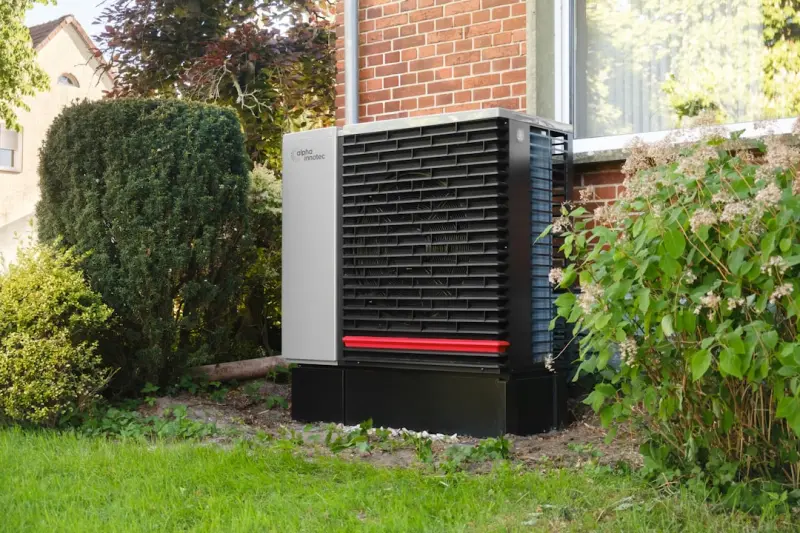
Unlocking Efficiency: How Heat Recovery Is Revolutionizing Commercial HVAC
Heat recovery captures waste thermal energy from HVAC systems, turning it into a valuable resource t... Read More
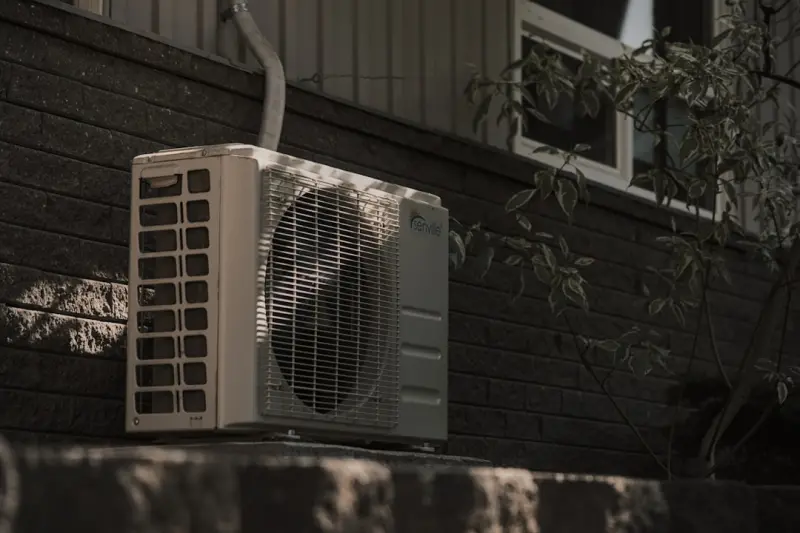
The Quiet Revolution: Low‑Noise HVAC Solutions for Healthier Spaces
A deep dive into the emerging low‑noise HVAC trend, exploring technology, design strategies, and r... Read More
Top Posts

Eco‑Friendly Mold Removal: Green Strategies for Healthier Buildings
Explore eco‑friendly mold remediation techniques—from source control and biodegradable cleaners to smart verification—offering a sustainable path to healt...Read More
From Reactive to Relational: Turning Property Maintenance into a Tenant‑Centric Experience
Discover a step‑by‑step framework to shift from reactive repairs to relational maintenance, turning every work order into a trust‑building opportunity tha...Read More

The Hidden Dangers of Mold: A Comprehensive Guide to Removal and Prevention
Mold growth is a silent killer, causing damage to structures, health issues, and financial burdens. Learn how to prevent and remove mold with our expert guide....Read More

How to refinish your Deck to make it look like new again
Revitalize your outdoor living space by following this step-by-step guide to deck maintenance. Learn the professional techniques for cleaning, sanding, and stai...Read More
0 Comments
Post Comment
You will need to Login or Register to comment on this post!