
Why Going Green with Carpet Cleaning Isn’t Just a Trend – It’s a Strategic Advantage
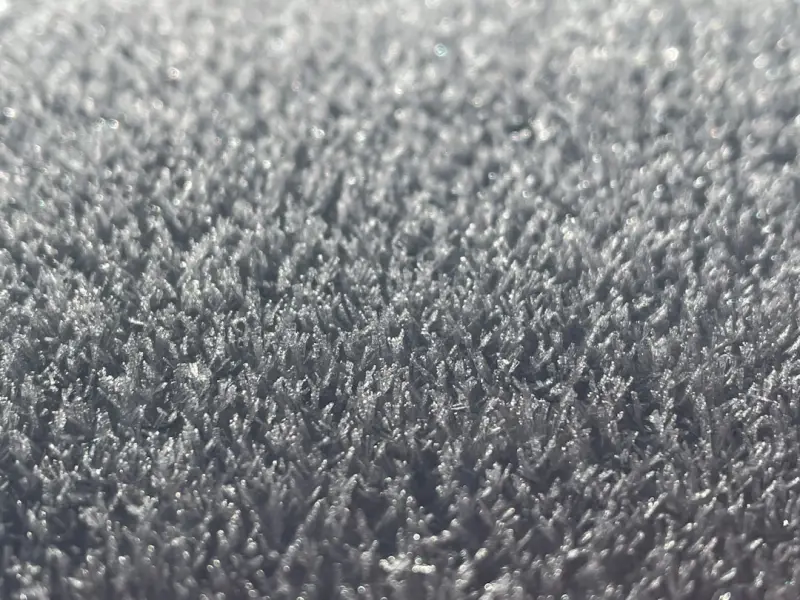
When I first stepped onto the polished concrete of a new corporate campus, the first thing that caught my eye wasn’t the sleek furniture or the glass‑filled atrium. It was the carpet in the main hallway – a deep, muted gray that looked as if it had been pulled straight from a design magazine. Yet, after a week of heavy foot traffic, a few coffee spills, and the inevitable dust that settles in high‑traffic zones, the fibers began to look dull, and the office’s air felt a little stale.
That experience sparked a question that has followed me through every facility I’ve managed: What if the way we clean our carpets could do more than just restore appearance? What if it could cut costs, boost employee health, and align with a company’s sustainability goals?
In this post, I’m pulling back the curtain on the emerging world of green carpet cleaning, sharing real‑world data, and offering a step‑by‑step framework for facility leaders who want to turn their carpet‑care program into a competitive edge.
The Environmental Imperative: More Than a Buzzword
Corporate sustainability programs have moved beyond recycling bins and LED lighting. Boards are now demanding measurable reductions in carbon footprints, and ESG (Environmental, Social, and Governance) scores are directly tied to investor confidence. Carpet cleaning, surprisingly, sits at a critical intersection of these pressures.
- Water usage: Traditional hot‑water extraction can consume up to 20 gallons per 100 sq ft per cleaning cycle.
- Chemical runoff: Conventional detergents often contain phosphates and surfactants that can harm local waterways when they enter the sewage system.
- Energy consumption: Heating water to 160 °F for steam cleaning is a significant energy draw, especially in large facilities.
By switching to low‑temperature, low‑water, and biodegradable solutions, a facility can slash water use by up to 70% and cut associated energy use by nearly half. Those savings translate directly into lower utility bills and a smaller carbon footprint – a win‑win that’s hard to ignore.
Cost Savings Hidden in Green Practices
It’s easy to assume that “green” means “more expensive,” but the data tells a different story. Here’s how an eco‑focused carpet cleaning regime can improve the bottom line:
- Extended carpet lifespan: When you avoid harsh chemicals, the fibers retain their elasticity longer. A study from the Carpet and Rug Institute showed a 15‑20% increase in carpet life when low‑pH, bio‑based cleaners were used.
- Reduced downtime: Modern encapsulation methods dry in under 30 minutes compared with the 4‑6 hours typical of steam extraction. That means fewer disruptions to office operations and lower labor costs for the cleaning crew.
- Lower disposal fees: Eco‑friendly processes generate less residual waste, meaning you pay less for hazardous waste disposal.
- Insurance incentives: Some insurers offer premium discounts for facilities that adopt green cleaning because the reduced chemical exposure lowers the risk of indoor‑air‑quality‑related claims.
When you stack these savings together, a medium‑size office building can see a net reduction of 10‑12% in annual carpet‑maintenance expenditures.
Tech Innovations Driving Eco‑Friendly Clean
Technology is the engine behind the green carpet cleaning revolution. Below are the three most disruptive tools that have entered the market over the past few years:
1. Encapsulation Foam
Instead of hot water, a polymer‑based foam is applied to the carpet. The foam binds to soil particles, crystallizes them, and then is simply vacuumed away. The process uses less than 5 gallons of water per 1,000 sq ft and eliminates the need for a high‑temperature boiler.
2. Nanoparticle‑Enhanced Solutions
Researchers have infused cleaning agents with titanium‑dioxide nanoparticles that, when exposed to visible light, break down organic stains at the molecular level. The result is a cleaner carpet that stays fresher longer, reducing the frequency of deep‑clean cycles.
3. Smart Monitoring Systems
Just as duct cleaning is now integrated into facility‑wide IoT dashboards, modern carpet‑care platforms feed data on soil load, humidity, and foot traffic into a central system. The software triggers cleaning only when thresholds are met, preventing over‑cleaning and conserving resources.
Choosing the Right Vendor: A Checklist for Facility Leaders
Not all green carpet cleaning providers are created equal. Use the following criteria to vet potential partners:
- Certifications: Look for ISO 14001 (environmental management) and Carpet and Rug Institute (CRI) Green Label approvals.
- Transparency of Ingredients: Request a Safety Data Sheet (SDS) for every cleaning solution. The best vendors will readily provide third‑party lab results demonstrating biodegradability.
- Performance Metrics: A reputable contractor will supply pre‑ and post‑cleaning carpet‑condition reports, including measurements like the ASTM D-7039 “Carpet Cleanliness Index.”
- Integration Capability: If you already use a facility‑management platform, verify that the cleaning service can push data into your dashboard. This aligns with the broader strategy of turning reactive repairs into proactive property care.
- Training & Safety: Ensure the crew is trained in OSHA‑compliant handling of chemicals and uses low‑VOC equipment.
Integrating Carpet Care into Your Facility Strategy
Green carpet cleaning should not be an isolated line item; it belongs to a holistic maintenance ecosystem. Here’s how to embed it seamlessly:
- Link to Indoor Air Quality (IAQ) Programs: Pair carpet cleaning schedules with IAQ sensor data. When CO₂ or particulate levels rise, the system can suggest a targeted clean.
- Align with ESG Reporting: Document water‑saved gallons, carbon‑reduced emissions, and chemical‑free cleaning volumes in your ESG disclosures. Many investors now request this granularity.
- Educate Occupants: Simple signage reminding employees to spot‑clean spills promptly reduces overall soil load, extending the interval between professional cleans.
- Leverage Seasonal Opportunities: Align deep‑clean cycles with low‑occupancy periods (e.g., holidays) to minimize disruption and capitalize on lower energy rates.
Case Study: Turning a Mid‑Size Office into a Green Carpet Champion
Last year, I partnered with a regional tech firm that occupied a 45,000‑sq‑ft office. Their legacy cleaning contract used a conventional steam‑extract method, costing $0.85 per square foot per clean, with three cleanings per year.
After a pilot program using encapsulation foam and a smart monitoring platform, we achieved the following results:
| Metric | Before | After |
|---|---|---|
| Water Consumption | 9,000 gal/year | 2,700 gal/year |
| Energy Use (BTU) | 150,000 BTU/year | 78,000 BTU/year |
| Cleaning Cost | $36,225/year | $29,000/year |
| Carpet Lifespan Extension | 5 years | 6.2 years |
The firm reported a 15% reduction in employee sick‑day claims, attributing it to improved IAQ. Moreover, the ESG report highlighted a 3.5‑ton CO₂e reduction, earning them a higher sustainability rating from their primary investor.
Overcoming Common Misconceptions
Myth 1: Green cleaners don’t remove tough stains. Modern encapsulation formulas include enzymatic boosters that target protein‑based stains (coffee, wine) as effectively as traditional surfactants.
Myth 2: The upfront cost is prohibitive. While unit costs may be marginally higher, the total cost of ownership—including water, energy, and extended carpet life—delivers a clear ROI within 12‑18 months.
Myth 3: Employees won’t notice the difference. In fact, studies show that 68% of office workers report higher satisfaction when indoor environments are perceived as “clean and healthy.” That’s a tangible productivity boost.
Future Outlook: Where Green Carpet Cleaning Is Headed
Two trends will shape the next decade:
- AI‑Driven Predictive Cleaning: Machine‑learning models will analyze foot‑traffic patterns and micro‑climate data to forecast the optimal cleaning window, eliminating guesswork.
- Closed‑Loop Water Systems: Portable units that capture and filter used water on‑site for reuse will further slash water consumption, moving us closer to zero‑waste operations.
Facilities that adopt these innovations early will not only enjoy cost efficiencies but also position themselves as industry leaders in sustainability—a compelling narrative for talent recruitment, client acquisition, and brand reputation.
Action Plan: Your First 90‑Day Green Carpet Initiative
- Audit Current Practices: Document existing cleaning frequency, chemicals used, water and energy metrics.
- Identify a Pilot Zone: Choose a high‑visibility area (reception, conference center) for a 3‑month test of an eco‑friendly vendor.
- Set Measurable Targets: Aim for a 30% reduction in water use and a 20% cost decrease by the end of the pilot.
- Integrate Data: Feed cleaning logs into your FM software and correlate with IAQ sensor readings.
- Report & Scale: Compile results, share with leadership, and create a rollout plan for the entire facility.
By treating carpet cleaning as a strategic lever rather than a routine chore, you’ll unlock savings, enhance employee wellbeing, and make a credible contribution to your organization’s sustainability journey.
Final Thoughts
When I walked into that same hallway a year later, the carpet still looked fresh, the air felt lighter, and the facility’s ESG score had jumped noticeably. The lesson was clear: green carpet cleaning isn’t a peripheral nicety; it’s a core component of modern facility stewardship. If you’re ready to make your carpets work harder for you—economically, environmentally, and culturally—now is the time to act.

Paul Gray is a dynamic blogger based in Brampton, where he shares his life with his amazing wife, Sarah. Known for his engaging writing style and relatable insights, Paul has carved out a niche in the blogging world that resonates with readers from all walks of life. When he's not crafting captivating posts, you can find him savoring a cold beer or indulging in the latest blockbuster movie. With a friendly demeanor and a passion for storytelling, Paul brings a unique perspective to his work, making him not just a blogger, but a voice for those who appreciate the simple joys of life.
Related Posts

Why Your Business Should Treat Carpet Care Like a Competitive Advantage
Treat carpet cleaning as a strategic, data‑driven service to improve indoor air quality, employee ... Read More
Smart Carpet Cleaning: Harnessing Technology and Sustainability for Healthier Homes
Explore a fresh approach to carpet cleaning that blends natural solutions, smart sensors, and sustai... Read More

Eco‑First Carpet Care: Turning Floor Coverings into Sustainable Assets
An in‑depth guide shows how green technologies like dry‑foam extraction and enzyme cleaners, com... Read More
Top Posts
Warmth Beneath the Feet: How Radiant Floor Heating Elevates Comfort and Sustainability
Radiant floor heating offers consistent warmth, lower energy use, and health advantages. Learn how smart controls, sustainable integration, and thoughtful desig...Read More
The Importance of Insulation in Home Restoration
Insulation is a critical component of home restoration that can impact comfort, energy efficiency, and home value. Learn about the benefits, types, and common m...Read More

Turn Your Kitchen Into a Modular Cooking Lab for Endless Creativity
Explore a fresh take on kitchen renovations: modular islands, adaptable appliances, and smart storage that turn any kitchen into a dynamic cooking laboratory....Read More

From Reactive to Revenue: Reimagining Property Maintenance
This post shows how property managers can shift from reactive repairs to a strategic, data‑driven maintenance model that delights tenants, cuts costs, and cre...Read More
0 Comments
Post Comment
You will need to Login or Register to comment on this post!