
Why Prefabricated Modules Are Reshaping General Contracting
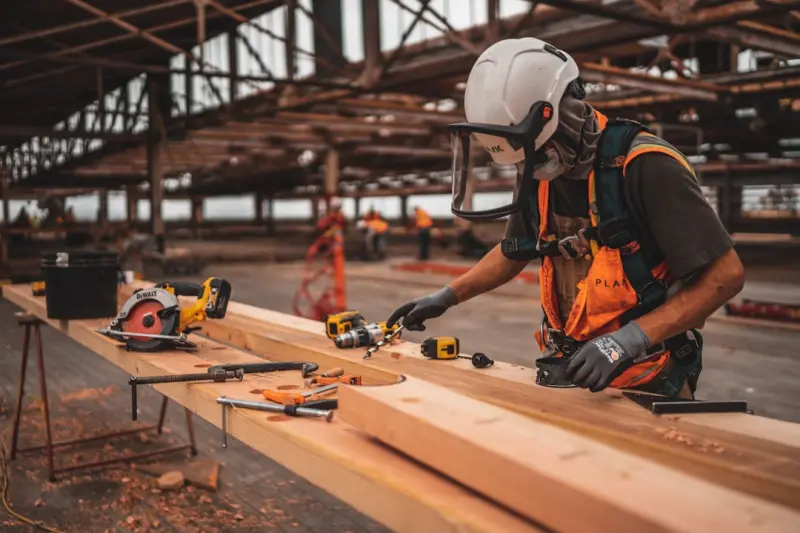
In the fast‑moving world of construction, the pressure to deliver projects faster, cleaner, and cheaper has turned prefabrication from a niche curiosity into a strategic imperative that many general contractors can no longer ignore; the shift is not just about off‑site factories but about re‑imagining the entire workflow from design to handover, and it demands a mindset that balances tradition with innovation. Prefabricated modules allow entire wall sections, floor slabs, or even complete rooms to be assembled under controlled conditions, eliminating weather delays, reducing waste, and delivering a level of precision that on‑site carpentry simply cannot match. By embracing this approach, contractors unlock a new competitive edge that translates into higher client satisfaction, repeat business, and a reputation for delivering on promises that once seemed impossible.
The Business Case: Cost, Speed, and Predictability
When you compare a conventional stick‑build timeline with a modular schedule, the difference often looks like a race between a sprint and a marathon; the off‑site production line can churn out components in parallel with site preparation, effectively compressing the critical path by weeks or even months, which in turn reduces financing costs, labor overhead, and the risk of schedule penalties. Moreover, the predictability of factory‑controlled processes means that material take‑offs and labor requirements are known far in advance, allowing for tighter budgeting and the ability to lock in prices before market volatility spikes, a benefit that resonates deeply with owners who demand transparency. This financial clarity also empowers contractors to present more accurate bids, avoid the dreaded “change order cascade,” and maintain healthy profit margins even in a competitive market.
Strategic Planning: Aligning Design Intent with Modular Production
The first step toward a successful modular integration is a collaborative design workshop that brings architects, engineers, and the modular manufacturer to the same virtual table, ensuring that every opening, service run, and structural detail is deliberately engineered for off‑site assembly rather than retrofitted after the fact; this early coordination prevents costly re‑work and guarantees that the aesthetic vision remains intact. It is essential to develop a detailed module inventory that maps each prefabricated component to its exact location on the construction site, complete with handling specifications, crane requirements, and sequencing logic, because a mis‑aligned delivery can stall the entire job and negate the very efficiencies you sought. Leveraging Building Information Modeling (BIM) in this phase not only visualizes the modular layout but also automates clash detection, material quantification, and even generates the precise shop drawings that the factory will use to cut, weld, and finish each piece.
Choosing the Right Supplier: Partnerships Over Transactions
Not all modular manufacturers are created equal, and the most successful general contractors treat their suppliers as strategic partners rather than mere vendors, fostering open lines of communication, shared risk‑sharing mechanisms, and joint performance metrics that keep both parties accountable for schedule adherence and quality outcomes. A rigorous vetting process should evaluate a supplier’s production capacity, lead‑time reliability, quality certification, and previous project portfolio, but it should also probe deeper into their ability to adapt designs on short notice, accommodate custom finishes, and provide on‑site technical support during installation. By establishing clear service‑level agreements that define tolerances, inspection protocols, and escalation paths, contractors can mitigate the fear of “black‑box” factories and instead create a transparent ecosystem where every module arrives ready to be bolted into place without surprise surprises.
Logistics and On‑Site Coordination: The Nerve Center of Modular Success
Transporting large‑scale modules from factory to jobsite introduces a new logistical choreography that must be orchestrated with the same precision as the fabrication itself; timing deliveries to coincide with foundation curing, staging crane access, and coordinating traffic routes are all critical variables that, if mishandled, can erode the very time savings modular construction promises. To keep this complex dance in sync, many contractors adopt a real‑time dashboard that tracks module status, GPS location, and estimated arrival windows, allowing the project manager to make proactive adjustments and communicate instantly with the site crew, suppliers, and owners. Below are the core logistics steps that underpin a smooth modular handover:
- Pre‑site surveys to confirm crane capacity, access points, and laydown areas.
- Staggered delivery schedules that align with foundation milestones.
- On‑site inspection teams equipped with checklists to verify dimensions, finishes, and connection points immediately upon arrival.
Design Integration: Merging Prefab with Traditional Trades
Even when the majority of the building envelope is prefabricated, there will always be a need for traditional trades to perform interior finishes, mechanical rough‑ins, and specialty installations, making seamless integration a matter of meticulous coordination and clear interface definitions; the modular wall may arrive with pre‑installed electrical chases, but the final device placement and trim work still require on‑site craftsmanship. Contractors should develop detailed “hand‑off” documents that outline exact connection points, tolerances, and sequencing for each trade, ensuring that the installation crew knows precisely where to mount ductwork, pipe, or decorative elements without forcing adjustments that could compromise the module’s structural integrity. By treating prefabrication as a complementary tool rather than a replacement for skilled labor, you preserve the value of your craft workforce while still capitalizing on the efficiencies of factory production.
Quantifiable Benefits: From Reduced Waste to Lower Insurance Premiums
Studies consistently show that modular construction can slash material waste by up to 90 % compared with conventional on‑site builds, because cutting, welding, and finishing happen in a controlled environment where off‑cuts are recycled or reused, dramatically reducing landfill fees and the environmental footprint that increasingly savvy clients demand; this waste reduction also translates into lower disposal costs and a cleaner jobsite, which improves safety and morale. In addition, the repeatable nature of modular processes often qualifies projects for reduced insurance premiums, as underwriters recognize the lower risk profile associated with fewer on‑site hazards, fewer weather‑related delays, and tighter quality control, providing an added financial incentive that directly boosts the bottom line. When you combine these savings with the accelerated cash flow from faster project completion, the ROI of prefabrication becomes a compelling argument that resonates with owners, lenders, and the contractor’s own profitability targets.
Quality Assurance and Safety: The Dual Pillars of Modular Success
Factory conditions enable stringent quality checks that are difficult to replicate in the field, such as automated laser alignment, controlled climate curing, and systematic inspection cycles, ensuring that each module meets or exceeds code requirements before it ever leaves the plant; this pre‑emptive assurance reduces on‑site rework, minimizes defect liability, and fosters a reputation for delivering defect‑free spaces that clients can occupy immediately. Safety also receives a significant boost, as the most hazardous tasks—heavy lifting, high‑rise welding, and exposure to the elements—are performed behind the factory walls, dramatically lowering the number of site accidents and associated workers’ compensation claims; the result is a healthier crew, fewer project stoppages, and a culture that prioritizes wellbeing without sacrificing productivity. For contractors looking to deepen their commitment to quality, exploring resources such as insulated garage doors can illustrate how high‑performance components reinforce both thermal efficiency and structural integrity, further elevating the overall project standard.
Future Outlook: Scaling Modular Strategies Across Market Segments
As the construction industry continues to digitize, the scalability of modular techniques will expand beyond single‑family homes and boutique hotels into multifamily complexes, institutional facilities, and even large‑scale commercial campuses, creating a fertile ground for general contractors who invest early in the necessary processes, partnerships, and technology platforms; the ability to replicate designs quickly while maintaining consistent quality positions modular as the answer to the chronic labor shortages and material price volatility that plague traditional builds. Forward‑thinking firms are already experimenting with hybrid models that blend on‑site custom work with off‑site prefabrication, a strategy that maximizes flexibility and allows for localized adaptations without compromising the efficiencies of mass production, a concept echoed in recent discussions about permeable paving and its role in sustainable site design. By embracing prefabricated modules today, contractors not only future‑proof their operations but also set a new benchmark for what clients can expect: faster delivery, lower costs, and a building that arrives ready to perform.

Craig Brett is a freelancer with a passion for the outdoors. His love for nature inspires his work, bringing authentic and engaging perspectives to projects related to outdoor activities, adventure, and environmental topics.
Related Posts
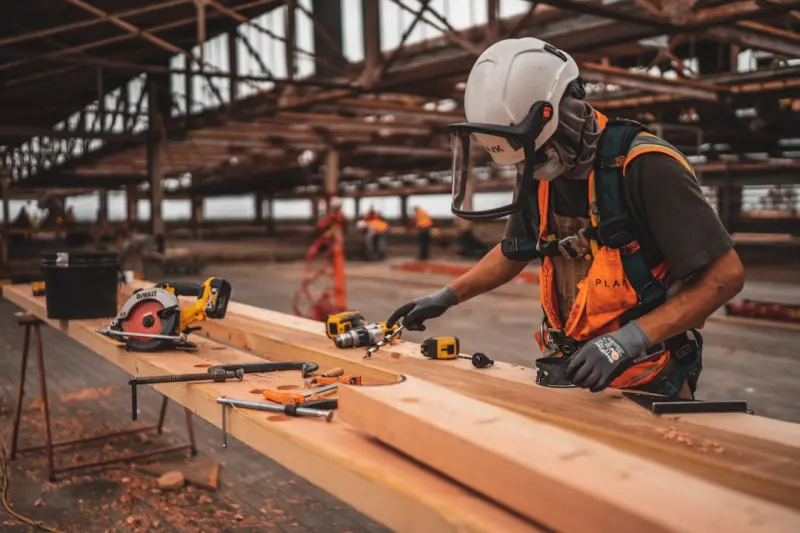
Digital Twins and Modular Strategies: The Next Leap for General Contractors
Digital twins paired with modular construction are reshaping general contracting, offering real‑ti... Read More

Embracing Sustainable and Innovative Home Additions
Learn how sustainable and innovative home additions can boost energy efficiency, increase property v... Read More
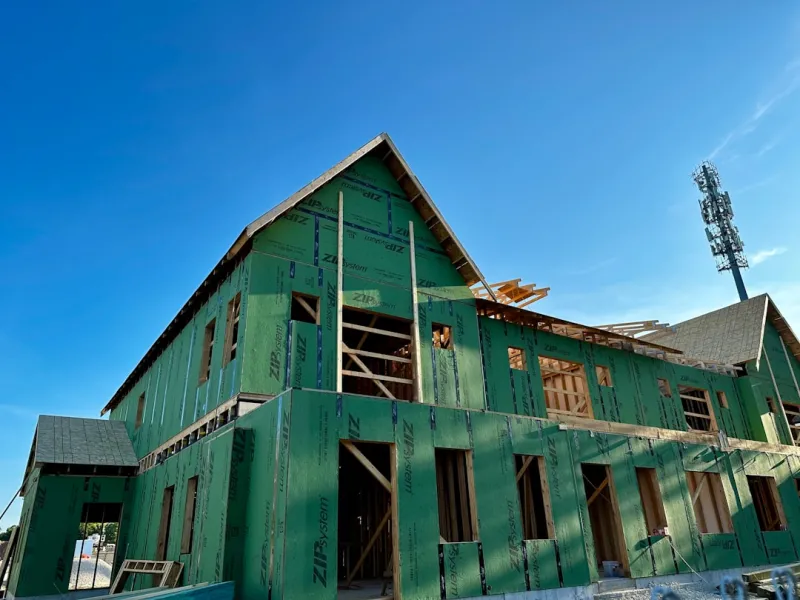
Sustainable General Contracting: Building Value with Purpose
Explore the evolving world of general contracting, where sustainable materials, design‑build colla... Read More
Top Posts

The Handyman’s Secret Weapon: Building a Flexible, Future‑Proof Toolkit
Learn the essential steps to create a future‑proof handyman toolkit, from core tools and modular add‑ons to smart storage, maintenance routines, and brandin...Read More

Creating Sustainable Outdoor Spaces: The Role of Sheds and Gazebos
Learn how sheds and gazebos can contribute to sustainable living and eco-friendly practices. Get tips on designing and building sustainable outdoor spaces....Read More

Silent Sanctuaries: Boosting Acoustic Comfort with Smart Windows and Doors
Explore the power of acoustic windows and doors to silence street noise, improve wellbeing, and add lasting value to your home with expert design and smart tech...Read More

Smart Roofing: From Passive Shield to Data‑Driven Asset
Discover the rise of intelligent roofs that combine green technology, solar integration, and IoT monitoring, turning the once‑overlooked rooftop into a valuab...Read More
0 Comments
Post Comment
You will need to Login or Register to comment on this post!