
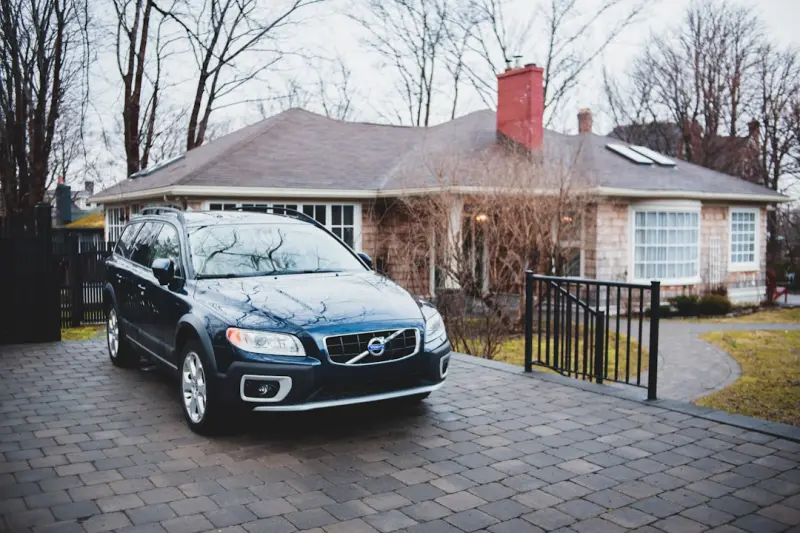
Reimagining the Ordinary Driveway
When I first rolled out a fresh concrete slab in my backyard, I thought I’d done my part for curb appeal, but the endless rainstorms that followed taught me a hard lesson about runoff and soil erosion. Permeable paving offered a simple, elegant solution that turned my driveway from a water‑spouting slab into a silent, porous ally of the landscape. Today, I’m convinced that every homeowner can upgrade their entryway to a sustainable surface without sacrificing durability or style.
The Science Behind the Pores
The magic of permeable paving lies in its engineered voids, which allow rainwater to seep through the surface and infiltrate the sub‑base, dramatically reducing surface runoff and easing the burden on municipal storm systems. By selecting a mix of porous asphalt, pervious concrete, or interlocking grass‑filled pavers, you create a network that mimics natural soil absorption while supporting the weight of daily traffic. This hidden infrastructure not only protects nearby foundations but also recharges groundwater—an often‑overlooked benefit for suburban properties.
Design Flexibility That Matches Any Aesthetic
One of the biggest misconceptions I encounter is that permeable pavers are limited to utilitarian gray tones; in reality, they come in a kaleidoscope of colors, textures, and patterns that rival any traditional slab. From cobblestone‑style interlocks that echo historic streetscapes to sleek, modern gray blocks that complement a minimalist façade, the design possibilities are virtually endless. Pairing these pavers with strategic lighting and landscaping creates a seamless transition from hardscape to garden, a technique I explored while reading about regenerative landscaping strategies.
Cost Considerations and Long‑Term Savings
While the upfront investment for permeable paving can be slightly higher than conventional concrete, the long‑term financial benefits quickly outweigh the initial expense. Reduced need for expensive drainage systems, lower municipal fees for storm‑water management, and the elimination of costly resurfacing due to cracking from water saturation all add up to substantial savings over a decade. Moreover, many local governments offer incentives or rebates for installing green infrastructure, a hidden boost that many homeowners miss when budgeting.
Installation Secrets From the Field
Proper sub‑base preparation is the cornerstone of a successful permeable pavement; a well‑graded aggregate layer ensures uniform water flow and prevents compaction that could seal the pores. I always start with a compacted geotextile fabric to separate the soil from the aggregate, then lay a 4‑to‑6‑inch layer of washed stone before placing the paver system. For DIY enthusiasts, the key is maintaining consistent joint spacing and using a sand‑filled joint material that stays permeable yet stable under traffic.
Maintenance Made Simple
Contrary to popular belief, maintaining a permeable driveway is straightforward and rarely requires professional intervention. Regular vacuuming or low‑pressure washing removes debris that could clog the pores, while an annual vacuum sweep of the surface keeps the system functioning at peak efficiency. In areas with heavy leaf fall, a simple leaf blower can prevent buildup, and if you notice any localized pooling, a quick pressure rinse restores the flow without the need for costly repairs.
Integrating Smart Technology
Modern homeowners can enhance the performance of permeable paving with smart sensors that monitor moisture levels and surface temperature, feeding data directly to a mobile app for real‑time insights. By linking these sensors to automated irrigation systems, you can fine‑tune water usage, ensuring that your lawn receives just enough hydration without overwatering. This synergy between green paving and IoT aligns perfectly with the concepts I discussed in my piece on smart sustainable awnings, illustrating how technology can amplify eco‑friendly design.
Environmental Impact Beyond the Driveway
Beyond reducing runoff, permeable paving contributes to cooler microclimates by allowing rainwater to evaporate slowly, a natural process that mitigates the urban heat island effect. This cooling effect not only improves comfort around your home but also reduces the load on air‑conditioning systems, translating into lower energy bills and a smaller carbon footprint. As more neighborhoods adopt these porous surfaces, the collective impact can reshape cityscapes into healthier, more resilient ecosystems.
Future Trends and Final Thoughts
The next wave of permeable paving will likely incorporate recycled materials, such as crushed glass or reclaimed rubber, further shrinking the environmental footprint while delivering superior durability. I’m already seeing pilot projects where solar‑powered LED lights are embedded directly into the paver joints, creating illuminated pathways that charge themselves from the very rain they help manage. If you’re ready to transform a mundane driveway into a functional, beautiful, and sustainable asset, now is the perfect moment to join the movement and pave the way—literally—for a greener future.

Tom Ferguson is a Canadian freelance writer with a passion for storytelling, current events, and thoughtful commentary. Drawing on years of writing experience, he shares engaging insights on a wide range of topics, bringing a uniquely Canadian perspective to his work.
Related Posts

Design‑Forward Paving: Aesthetic, Performance, Brand Impact
Modern paving can do more than carry foot traffic; it can enhance aesthetics, regulate temperature, ... Read More

The Quiet Revolution of Intelligent Pavement Systems
Intelligent pavement integrates sensors, permeable designs, and energy‑harvesting tech to turn str... Read More
The Sustainable Paving Revolution: A Greener Future for Your Outdoor Space
Join the sustainable paving revolution and create a greener future for your outdoor space. Learn abo... Read More
Top Posts

From Dark to Destination: Reimagining Your Basement as a Dynamic Lifestyle Hub
Turn your underused basement into a vibrant, multi‑purpose hub with strategic lighting, climate control, flexible zoning, and sustainable materials—guided b...Read More
Designing a Kitchen That Nurtures Family Connection
A kitchen remodel isn’t just about style—it’s a chance to shape how families connect, eat, and unwind. Learn the design secrets that turn the heart of the...Read More
Designing a Sanctuary: The New Wave of Bathroom Renovations
A fresh look at bathroom remodels that blends spa‑like wellness, eco‑friendly fixtures, and future‑proof design to create a personal sanctuary and boost h...Read More
Harnessing Sunlight: My Journey to a Solar-Powered Home
I share the highs and challenges of going solar, from panel placement to pairing with smart home tech, showing how everyday homeowners can reap big savings and ...Read More
0 Comments
Post Comment
You will need to Login or Register to comment on this post!