
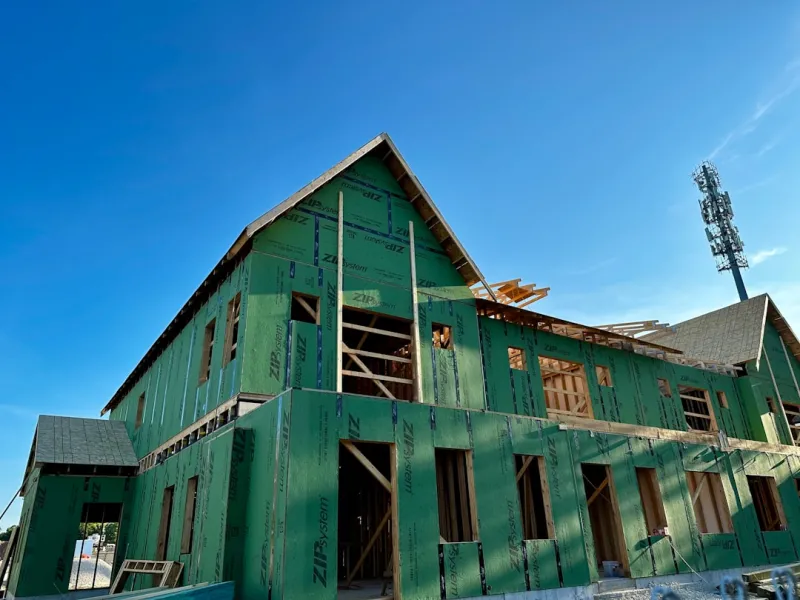
Why General Contracting Is More Than a Trade Today
When I first picked up a hammer, I imagined a world where a job was done and the dust settled, but the reality of modern construction is far richer and more complex. Today’s general contracting demands a blend of craftsmanship, strategic planning, and an unwavering commitment to sustainability, turning each project into a living, breathing entity that serves both the client and the environment. As the industry evolves, the contractor who embraces these layers becomes the true architect of long‑term value.
The Green Imperative: Building for Tomorrow
Clients now ask not just for beauty and durability, but for buildings that breathe, conserve energy, and minimize waste, and I’ve learned to answer with data‑driven solutions that prove sustainability pays off. By integrating low‑embodied‑carbon materials, passive solar design, and high‑performance insulation, we create structures that reduce operating costs while boosting resale value, a win‑win that resonates on every construction ledger. For a deeper dive into how I keep properties resilient, check out Future‑Proofing Property Maintenance: A Veteran Contractor’s Playbook, a guide that outlines the exact steps I use on site.
Design‑Build: From Sketch to Sustainable Reality
In my experience, the most seamless projects happen when design and construction speak the same language, eliminating costly revisions and streamlining timelines. I work hand‑in‑hand with architects, engineers, and owners to translate lofty concepts into actionable blueprints, ensuring every material choice aligns with the project’s carbon goals and budget constraints. The methodology I champion is detailed in Design‑Build Secrets: How I Turn Visions into Sustainable Realities, where I break down the collaborative workflow that makes sustainable delivery possible.
Materials That Matter: Brick, Timber, and Beyond
Choosing the right material is a balancing act between aesthetics, performance, and lifecycle impact, and I’ve found that modern brick and engineered timber strike that perfect chord for many projects. Brick offers thermal mass, fire resistance, and a timeless look, while responsibly sourced timber provides a lighter carbon footprint and flexibility in design. When these materials are paired with advanced fastening systems and moisture‑controlled assemblies, the result is a structure that ages gracefully while staying true to its sustainable promise.
Communication: The Contractor’s Secret Weapon
Transparent, frequent communication with clients, subcontractors, and suppliers has become my most valuable tool, preventing misunderstandings that can derail even the best‑planned builds. I use digital dashboards that track progress, budget, and environmental metrics in real time, giving stakeholders a clear view of how their investment evolves day by day. This level of openness not only builds trust but also uncovers opportunities for cost savings and greener alternatives before they become issues.
Tech on the Jobsite: From Drones to BIM
Embracing technology has transformed how I manage sites, from drone‑captured aerial surveys that spot potential setbacks to Building Information Modeling (BIM) that detects clashes before the first nail is driven. These tools empower my crew to work smarter, reducing waste, minimizing rework, and keeping safety at the forefront of every operation. When combined with mobile reporting apps, the data flow becomes instantaneous, allowing swift adjustments that keep projects on schedule and on budget.
Safety and Sustainability: Two Sides of the Same Coin
Safety protocols are no longer a checklist but an integral component of a sustainable construction philosophy that protects both people and the planet. I prioritize low‑emission equipment, proper ventilation, and waste‑segregation practices that keep hazardous materials out of the environment while safeguarding workers’ health. By treating safety as a sustainable metric, the jobsite becomes a model of responsibility that resonates with clients, regulators, and the broader community.
Looking Ahead: The Contractor as a Change‑Maker
The next wave of general contracting will be defined by adaptability, climate‑smart practices, and an entrepreneurial mindset that sees each project as a platform for innovation. I am constantly scouting emerging technologies—like carbon‑negative concrete and AI‑driven scheduling—to stay ahead of regulatory shifts and client expectations. As we push the envelope, the contractor’s role expands from builder to steward, ensuring that every structure we raise contributes positively to the world we share.
Take the Next Step: Learn, Apply, and Lead
If you’re ready to elevate your own projects, start by exploring the resources I’ve linked, dive into the case studies, and consider how a holistic, sustainable approach can differentiate your work in a crowded market. The journey from blueprint to lasting legacy begins with informed decisions, collaborative partnerships, and a willingness to challenge the status quo. Let’s build a future where every job site is a testament to craftsmanship, responsibility, and lasting value.

Craig Brett is a freelancer with a passion for the outdoors. His love for nature inspires his work, bringing authentic and engaging perspectives to projects related to outdoor activities, adventure, and environmental topics.
Related Posts
Embracing Sustainable and Innovative Home Additions
Learn how sustainable and innovative home additions can boost energy efficiency, increase property v... Read More
Why General Contractors Should Embrace the Circular Economy
A deep dive into circular construction, showing contractors how to cut costs, capture new revenue, a... Read More
Why General Contractors Must Embrace Digital Twin Technology
Digital twins are reshaping construction by offering real‑time, data‑rich models that improve co... Read More
Top Posts
From Flood to Future‑Proof: A Data‑Driven Blueprint for Home Restoration
Discover a step‑by‑step, data‑driven approach to post‑flood home restoration that blends modern technology with traditional craftsmanship, ensuring a re...Read More
Solar‑as‑a‑Service: Turning Sunlight into Predictable Revenue
Solar‑as‑a‑service lets building owners lease PV systems, turning sunlight into a reliable revenue stream. Learn the financial, technological, and regulat...Read More
Beyond the Leak: Redefining Waterproofing for Resilient Spaces
A fresh take on waterproofing reveals it as a dynamic, breathable system that enhances building resilience, occupant health, and sustainability, turning moistur...Read More
How Smart HVAC Choices Protect Your Health and Wallet
A fresh look at HVAC: learn why smart thermostats, zoning, and regular maintenance safeguard health, cut costs, and keep your home ready for tomorrow’s tech....Read More
0 Comments
Post Comment
You will need to Login or Register to comment on this post!