
Understanding the Threat: Why Everyday Surges Matter
Every time you plug in a charger or flick a light switch, a tiny surge of electricity races through your home’s wiring, and most of us assume the system can handle it without a second thought. What many homeowners don’t realize is that these seemingly innocuous spikes can accumulate, degrading sensitive electronics and eventually causing catastrophic failures that cost thousands. From the humble toaster to high‑end home theater gear, the hidden danger lies in the cumulative stress that daily power fluctuations impose, making a comprehensive surge protection strategy essential for preserving both peace of mind and your wallet.
The Anatomy of a Whole‑Home Surge Protector
A whole‑home surge protector sits at the main service panel, acting as the first line of defense against voltage spikes that originate outside your house, such as lightning or utility grid anomalies. Unlike plug‑in point‑of‑use protectors, which guard individual devices, a whole‑home unit intercepts surges before they disperse through the wiring, offering blanket coverage for every outlet, appliance, and embedded system. Modern units feature clamping voltage thresholds, response times measured in nanoseconds, and diagnostic LEDs that let you know when the device is active or needs replacement, ensuring you stay informed about the health of your home’s electrical shield.
Choosing the Right Rating: Clamping Voltage and Surge Current
When shopping for a surge protector, two specifications dominate the decision: clamping voltage and surge current rating (expressed in kiloamperes, kA). A lower clamping voltage means the device will engage earlier, limiting the amount of excess voltage that reaches your circuitry, while a higher surge current rating indicates the unit can absorb larger spikes without failing. For most residential setups, a clamping voltage of 350 V and a surge current capacity of at least 30 kA provide a robust balance, but if you house high‑value equipment—like a home studio or a smart‑home hub—opting for a 40 kA model adds an extra margin of safety.
Installation Insights: When to Call a Pro vs. DIY
Installing a whole‑home surge protector requires working inside the main breaker panel, a task that carries inherent risks of shock and code violations if mishandled. For seasoned DIY electricians who are comfortable with panel work, the process involves mounting the unit, connecting the line and neutral wires, and securing the ground strap according to the manufacturer’s wiring diagram. However, if you lack experience, it’s wise to enlist a licensed electrician; they can ensure the protector is properly sized for your service amperage, verify that the grounding system meets local codes, and provide the necessary inspection paperwork that many insurance policies now demand.
Integrating Surge Protection with Smart Home Systems
Many homeowners are now blending surge protection with emerging smart technologies, creating a seamless monitoring experience that alerts you to potential issues before they become emergencies. Smart surge protectors can communicate via Wi‑Fi or Zigbee, sending real‑time notifications to your phone when a surge event occurs or when the device reaches the end of its life cycle. By pairing this capability with existing home automation platforms, you can automate actions—such as temporarily shutting down non‑essential circuits during a storm—to further safeguard vulnerable equipment.
Maintenance Matters: How to Keep Your Protector Ready
Just like any other safety device, a surge protector degrades over time, especially after absorbing multiple surges, and its protective components must be inspected and replaced periodically. Most modern units incorporate a visual indicator—typically a green LED for normal operation and a red LED that flashes when the device has been triggered or is no longer effective. It’s good practice to check this indicator quarterly and to schedule a professional inspection at least once a year, aligning the check with your routine property maintenance plan outlined in The Hidden Power of Routine Property Maintenance. Replacing a fatigued protector is a small investment compared to the cost of replacing a fried entertainment system or a compromised smart‑home hub.
Cost‑Benefit Analysis: Is Whole‑Home Protection Worth It?
While the upfront expense of a quality surge protector—ranging from $150 to $400—might raise eyebrows, the long‑term savings become evident when you consider the potential damage to high‑value electronics and the associated repair or replacement costs. For a typical household that invests in a home theater, computer workstation, and a suite of smart appliances, a single surge event could easily exceed $2,000 in damages, not to mention the inconvenience and downtime. Moreover, many insurers offer discounts for homes equipped with certified surge protection, further offsetting the initial outlay and reinforcing the financial prudence of the upgrade.
Future‑Proofing: Pairing Surge Protection with Renewable Energy Systems
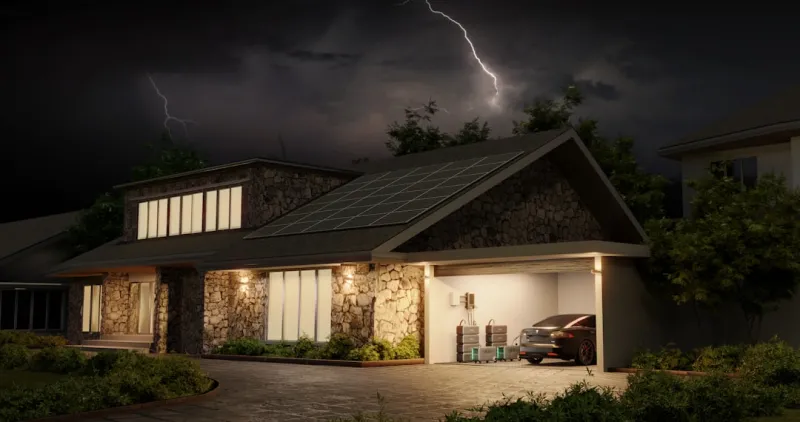
As more homeowners adopt solar panels, battery storage, and electric vehicle chargers, the electrical ecosystem becomes more complex and, consequently, more vulnerable to irregular surges originating from inverters and charging stations. Integrating a whole‑home surge protector into this modern setup ensures that both grid‑sourced spikes and those generated by renewable systems are tamed before reaching critical components. Pair this strategy with the guidelines in Future‑Proof Your Home’s Plumbing—which emphasizes holistic, forward‑thinking upgrades—to create a resilient, energy‑efficient household that stands up to the demands of tomorrow’s technology.
Final Takeaway: A Small Investment for Lifelong Peace of Mind
In a world where every device in our homes is more connected and valuable than ever before, ignoring the silent threat of power surges is a risk that no prudent homeowner should take. A whole‑home surge protector offers an unobtrusive, cost‑effective shield that protects your investment, enhances safety, and integrates smoothly with smart‑home ecosystems. By selecting the right rating, ensuring proper installation, and committing to regular maintenance, you can enjoy the convenience of modern living without the lingering fear that a sudden spike could undo years of careful curation of your home’s tech.

Craig Brett is a freelancer with a passion for the outdoors. His love for nature inspires his work, bringing authentic and engaging perspectives to projects related to outdoor activities, adventure, and environmental topics.
Related Posts
Electrical Safety and Home Restoration: A Comprehensive Guide
Electrical safety is crucial during home restoration. Learn how to prioritize electrical safety, pre... Read More
Inside the Box: Mastering Your Home Electrical Panel for Safety and Efficiency
Learn to safely assess, label, and upgrade your home’s electrical panel. From spotting overload si... Read More
Home EV Charging: Wiring, Safety & Smart Planning
Planning to plug in an electric car? I break down the essential wiring steps, safety checks, and sma... Read More
Top Posts

Unlocking the Hidden Microbial Symphony of Your Lawn
Learn why the soil microbiome is your lawn’s secret weapon and get a step‑by‑step plan to nurture it, cutting fertilizer, water, and pesticide needs while...Read More

Tree Care from a Sustainable Contractor’s Perspective: Craig Brett’s Guide to Greener Growth
Contractor Craig Brett shares practical, sustainable tree care tips—pruning, soil health, water management—to boost home efficiency and protect the environm...Read More

The Hidden Value of Adding a Purpose‑Built Flex Wing to Your Home
A purpose‑built flex wing offers a adaptable, sustainable extension that meets today’s needs and evolves with future lifestyle changes, delivering both comf...Read More
Embracing Sustainable Home Security: The Future of Alarm Systems
Sustainable home alarm systems are revolutionizing home security, providing eco-friendly and energy-efficient solutions for homeowners. Learn how to create a se...Read More
0 Comments
Post Comment
You will need to Login or Register to comment on this post!