

The Unseen Superpower of Insulation: Comfort, Health, and Carbon Savings
When I first stepped onto a construction site with a half‑finished wall, I expected to see steel, concrete, and a flurry of activity. What I didn’t expect was the quiet, almost invisible hero that was about to change my whole outlook on building performance: insulation. Not the bland, code‑mandated R‑value you see on a spec sheet, but a dynamic, multi‑dimensional system that can reshape comfort, health, and climate impact—all while quietly trimming the energy bill.
In the past few years, I’ve watched the industry pivot from “just keep the heat in” to “let’s make the whole building envelope work together like a living organism.” That shift is why I’m writing this piece: to peel back the layers (pun intended) of what modern insulation really means and why it should be a primary conversation starter on any renovation or new‑build project.
Beyond R‑Value: The Multi‑Layered Benefits of Insulation
R‑value remains the lingua franca of building codes, but it tells only part of the story. Think of insulation as a three‑act play:
- Act 1 – Thermal Guard: The classic job of slowing heat transfer, keeping winter warmth inside and summer heat out.
- Act 2 – Acoustic Shield: A well‑chosen material can dampen street noise, neighbor chatter, and the occasional DIY demolition soundtrack.
- Act 3 – Moisture Management: Modern batts and boards are engineered to breathe, preventing condensation that leads to mold, rot, and structural decay.
When you treat insulation as a single‑purpose blanket, you miss out on these synergistic effects. The right combination can simultaneously boost thermal performance, enhance acoustic privacy, and protect the building envelope from moisture‑driven failures.
Material Innovation: From Sheep’s Wool to Aerogel
My grandfather swore by sheep’s wool for its “natural breathability.” Fast forward to today, and we have a spectrum of options that would make his head spin:
1. Bio‑Based Fibers (Sheep’s Wool, Hemp, Cellulose)
These materials excel at vapor permeability. They allow walls to “dry out” naturally, reducing the risk of trapped moisture. Plus, they score high on sustainability metrics—renewable, low embodied energy, and often sourced locally.
2. Rigid Foam Boards (Polyiso, XPS, EPS)
Rigid boards deliver high R‑values per inch, making them a go‑to for tight spaces like basement rim joists or exterior sheathing. Their foil‑faced variants also act as radiant barriers, reflecting heat back into conditioned spaces.
3. Aerogel Blankets
Once a sci‑fi material, aerogel is now a commercial reality. With an R‑value up to 30 per inch, these ultra‑light blankets fit in places where every millimeter counts. They’re also fire‑resistant and have excellent acoustic damping, though the price point remains a consideration for large‑scale projects.
4. Phase‑Change Materials (PCMs)
PCMs absorb heat when indoor temperatures rise and release it when they drop, smoothing out temperature swings. Integrated into drywall or insulation boards, they can reduce heating and cooling peaks, especially in climates with wide diurnal temperature ranges.
Choosing the right material is less about “which is the best?” and more about “which fits the building’s performance goals?” That’s where a holistic design process comes into play.
Design Integration: Insulation as Part of a Smart Envelope
Insulation doesn’t exist in isolation; it’s a core component of the building envelope, interacting with windows, doors, and the structural shell. When I collaborate with architects and HVAC engineers, we adopt a “performance‑first” mindset. We ask questions like:
- Where are the thermal bridges that could short‑circuit our insulation strategy?
- Can we combine insulation with airtightness measures to create a continuous envelope?
- What role will ventilation‑with‑heat‑recovery (HRV) play in maintaining indoor air quality without sacrificing energy efficiency?
One project I consulted on recently used a combination of rigid foam sheathing, blown‑in cellulose, and an interior vapor‑permeable membrane. The result was a wall assembly that achieved an overall R‑value of 30, reduced sound transmission by 12 dB, and eliminated condensation issues in a climate that oscillates between humid summers and freezing winters.
Insulation and Indoor Air Quality: The Silent Partner
Many homeowners think insulation is only about temperature. In reality, it has a direct impact on indoor air quality (IAQ). A properly insulated and sealed envelope reduces infiltration of outdoor pollutants, pollen, and dust. However, too much airtightness without controlled ventilation can trap indoor contaminants—CO₂, VOCs, and moisture.
The solution lies in pairing high‑performance insulation with a balanced ventilation system. Heat‑recovery ventilators (HRVs) or energy‑recovery ventilators (ERVs) bring in fresh air, extract stale air, and recover a large portion of the thermal energy. This synergy ensures that the home stays comfortable, healthy, and energy‑efficient.
Economic Payback: From Up‑Front Cost to Long‑Term Savings
One common objection to premium insulation is the upfront expense. While the initial outlay can be higher than traditional fiberglass batts, the life‑cycle cost analysis tells a different story.
Let’s break it down:
- Energy Savings: Every additional R‑value translates to lower heating and cooling loads. In a moderate climate, an extra R‑5 can shave 5‑10 % off annual HVAC energy use.
- Reduced HVAC Sizing: A well‑insulated envelope can allow for a smaller, more efficient furnace or heat pump, cutting capital costs.
- Extended Roof and Wall Lifespan: By stabilizing interior temperatures, insulation reduces thermal cycling that can crack roofing membranes and degrade exterior cladding.
- Resilience to Energy Price Volatility: With a tighter envelope, homeowners become less vulnerable to spikes in utility rates.
When you factor in these savings, the payback period for premium insulation typically ranges from 5 to 10 years—a small window in the lifespan of a building.
Insulation Audits: The New Frontier of Service Models
Traditionally, insulation was a “one‑and‑done” task. Today, the market is moving toward Energy Inspection as a Service, where professionals return annually to assess performance, identify degradation, and recommend upgrades. This model mirrors the shift we saw in HVAC maintenance and aligns perfectly with the growing demand for data‑driven building management.
By installing sensors that track temperature gradients, moisture levels, and even acoustic performance, service providers can flag under‑performing sections before they become costly problems. The result? A proactive approach that keeps the envelope humming along for decades.
Case Study: Retrofitting a 1950s Ranch Home
One client of mine owned a classic mid‑century ranch that suffered from drafty rooms, noisy street traffic, and sky‑high heating bills. The owner was hesitant to gut the walls, fearing an invasive and expensive remodel. We devised a three‑step retrofit plan:
- Exterior Rigid Foam: We installed 2 inches of polyiso sheathing over the existing sheathing, creating a continuous thermal barrier and adding a radiant foil layer.
- Blown‑In Cellulose: After sealing the rim joists and attic hatch, we filled the wall cavities with cellulose, which improved acoustic performance and added vapor‑permeability.
- HRV Integration: A modest heat‑recovery ventilator was installed, ensuring fresh air without sacrificing energy.
Within a single heating season, the homeowner reported a 30 % reduction in energy usage, a noticeable drop in street noise inside the living room, and a more stable indoor humidity level. The project also earned a local sustainability award, demonstrating that smart insulation choices can boost both performance and community recognition.
Future Trends: Smart Insulation and the Internet of Things
While we’ve covered the material and design aspects, a glimpse into the horizon reveals smart insulation. Imagine a cavity fill that can adjust its thermal conductivity on demand, or a foam board embedded with temperature sensors that feed data to a building management system.
Companies are already experimenting with nano‑coated fibers that change phase at specific temperatures, effectively acting as built‑in thermostats. When paired with AI‑driven climate analytics (yes, the same tech behind Dynamic Zoning: How AI Is Transforming Home Climate Control), these systems could dynamically tune insulation performance based on weather forecasts, occupancy patterns, and utility tariffs.
We’re not quite at the stage where walls will self‑regulate like living skin, but the groundwork is being laid. Early adopters who experiment with these technologies can reap benefits in energy savings and occupant comfort, positioning their projects as forward‑thinking prototypes for the next generation of high‑performance buildings.
Practical Tips for Homeowners and Builders
Whether you’re a DIY enthusiast or a seasoned contractor, here are actionable takeaways:
- Audit the Existing Envelope: Use an infrared camera to locate thermal bridges and air leaks before deciding on insulation upgrades.
- Prioritize Continuous Insulation: Gaps at window bucks, rim joists, and top plates are common culprits that sabotage overall performance.
- Choose Materials for the Climate: In humid zones, favor vapor‑permeable options; in dry, high‑R rigid foams work well.
- Combine Insulation with Air‑Tightness: Seal penetrations, install proper flashing, and consider a blower‑door test to verify airtightness.
- Integrate Ventilation Early: Don’t add an HRV as an afterthought; plan ductwork and controls alongside insulation.
- Plan for Longevity: Opt for materials with proven durability and low off‑gassing. Remember, insulation is a long‑term investment.
Conclusion: Insulation as the Quiet Champion of Sustainable Living
In the grand narrative of building design, insulation often plays the role of the silent sidekick. Yet, as we’ve explored, it possesses a superpower set that can transform thermal comfort, acoustic privacy, health, and carbon footprints—all without demanding the spotlight.
By embracing material innovation, integrating insulation into a holistic envelope strategy, and leveraging emerging data‑driven services, we can elevate insulation from a code checkbox to a cornerstone of resilient, sustainable architecture. The next time you walk past a wall, take a moment to appreciate the layers hidden within. They’re doing more than keeping the heat in; they’re quietly shaping a healthier, greener future.

Craig Brett is a freelancer with a passion for the outdoors. His love for nature inspires his work, bringing authentic and engaging perspectives to projects related to outdoor activities, adventure, and environmental topics.
Related Posts

Dynamic Insulation: Turning Passive Barriers into Active Energy Managers
A deep dive into the next wave of insulation technology, showing how sensors, phase‑change materia... Read More

Insulation Insights: Turning Your Home’s Skin Into a Smart, Sustainable Shield
Explore a fresh take on insulation that balances eco‑friendly materials, smart home integration, a... Read More
The Invisible Advantage: How Smart Insulation Is Redefining Building Performance
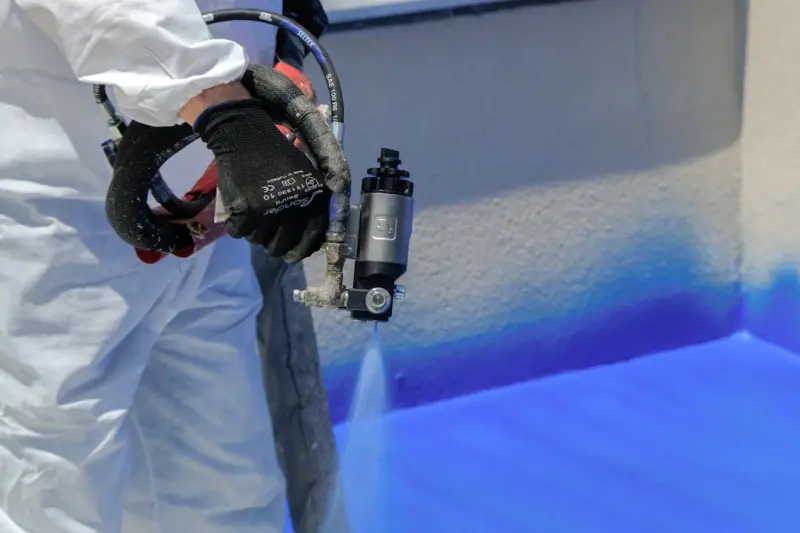
Insulation is evolving from a passive barrier to a data‑driven performance layer. Learn how advanc... Read More
Top Posts
The Sustainable Benefits of Eco-Friendly Garage Doors
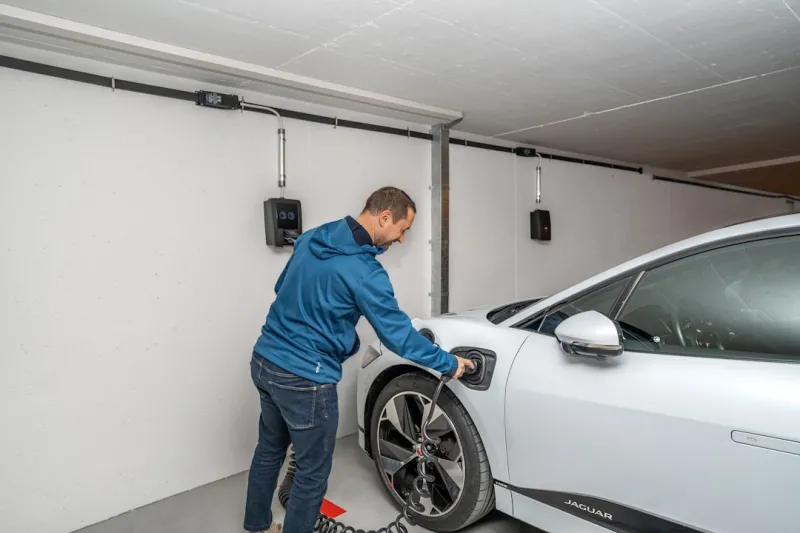
Eco-friendly garage doors offer a range of sustainable benefits, from energy efficiency to reduced environmental impact. Learn how to make your garage door more...Read More
The Rise of Adaptive Door Systems: Blending Security, Sustainability, and Seamless Design
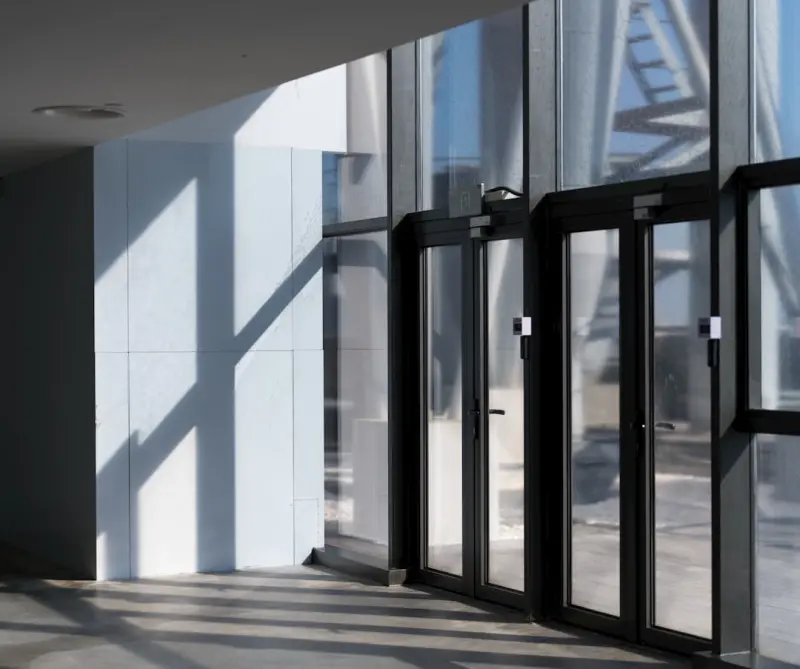
Adaptive doors are evolving from static barriers into intelligent, energy‑saving, and design‑flexible assets. This post dives into their security intelligen...Read More

Strategic Commercial Renovations: Turning Workspaces into Growth Engines
Learn why modern commercial renovations are strategic investments that enhance brand, sustainability, and flexibility—ensuring spaces work harder for your bus...Read More

The Sustainable Awning Revolution: A Game-Changer for Homeowners
Sustainable awnings offer eco-friendly solutions for homeowners, reducing energy consumption and improving air quality while increasing property value....Read More
0 Comments
Post Comment
You will need to Login or Register to comment on this post!