

Radiant Warmth as a Business Advantage
When I first stepped onto a newly heated conference room, the subtle, even warmth underfoot was a revelation. It wasn’t just comfort—it was a signal that the space had been designed with a deep understanding of how temperature influences focus, collaboration, and even creativity. In today’s hybrid work era, where every square foot competes for employee attention, radiant floor heating offers a silent, measurable edge that many forward‑thinking companies are only beginning to recognize.
Comfort That Translates to Productivity
Traditional HVAC systems create drafts, hot spots, and noisy ducts that distract from deep work. Radiant heating eliminates those variables by delivering consistent heat directly through the floor slab or underlayment. The result is a stable ambient temperature that reduces the cognitive load of adjusting personal thermostats or layering clothing. Studies in environmental psychology show that a stable thermal environment can improve concentration scores by up to 12%, a margin that translates directly into project timelines and bottom‑line results.
Health Benefits That Go Beyond Warm Feet
Beyond the obvious comfort, radiant floor systems can improve indoor air quality. Because they operate without blowing air, they don’t stir up dust, allergens, or volatile organic compounds (VOCs) that traditional forced‑air units often distribute. For workplaces that host employees with sensitivities or that prioritize a wellness‑first culture, this “no‑draft” approach reduces respiratory irritants and supports a healthier, more inclusive environment.
Energy Efficiency Meets ESG Goals
Floor heating is inherently efficient. Water‑based hydronic systems, in particular, operate at lower water temperatures (typically 85‑120°F) than baseboard radiators, allowing them to pair seamlessly with high‑efficiency condensing boilers, heat pumps, or even solar thermal collectors. The lower operating temperature means less energy is required to achieve the same comfort level, which can shave 10‑15% off a building’s heating bill. For companies tracking ESG metrics, that reduction is a tangible contribution to carbon‑footprint targets.
Smart Integration Without the “Smart” Overload
Modern building management platforms now treat heating as a data stream. Sensors embedded in the subfloor can report temperature gradients in real time, allowing facility managers to fine‑tune set points zone by zone. When combined with occupancy analytics—such as badge readers or Wi‑Fi presence detectors—systems can automatically lower heat in unused areas, further trimming energy waste. This level of granularity turns floor heating from a passive amenity into an active operational lever.
Retrofit Strategies for Existing Offices
Many organizations hesitate to adopt radiant heating because they assume a full demolition is required. In reality, there are three practical pathways:
- Thin‑profile electric mats: These can be installed over existing concrete or under raised flooring without major disruption.
- Modular hydronic panels: Prefabricated panels that snap onto a concrete slab, minimizing labor and downtime.
- Hybrid zones: Combining radiant heat in high‑use areas (conference rooms, collaborative hubs) with traditional HVAC in low‑traffic zones to balance cost and comfort.
Each option offers a different ROI curve, but all provide the core benefit of a more even, draft‑free environment.
Design Freedom Unlocked
Because the heat source is invisible, designers are no longer constrained by radiators, vents, or baseboard placements. This opens the door to open‑plan layouts, sleek furniture arrangements, and even carpeted zones without sacrificing thermal performance. When paired with circular flooring, the result is a cohesive aesthetic where sustainability, comfort, and style converge.
Case Snapshot: A Mid‑Size Tech Hub
One client—a 50,000‑sq‑ft tech campus—replaced their aging forced‑air system with a hybrid radiant solution. Over a 12‑month period they reported:
- 15% reduction in heating energy consumption.
- Employee satisfaction scores on thermal comfort rose from 68% to 92%.
- Reduced sick days attributed to improved air quality.
- A measurable boost in collaboration time, as measured by meeting room utilization analytics.
The financial payback occurred within 2.5 years, well before the projected equipment lifespan, proving that comfort‑driven upgrades can also be fiscally responsible.
Implementation Checklist
Before you commit, run through this quick audit:
- Assess floor construction: Concrete slabs, raised floors, or timber joists each dictate the most compatible heating method.
- Define zoning strategy: Map out high‑use zones, occupancy patterns, and desired temperature differentials.
- Choose control platform: Opt for a system that integrates with your existing BMS and supports API‑based data extraction.
- Plan for commissioning: Include a thorough testing phase to calibrate sensors and verify uniform heat distribution.
- Future‑proof with adaptability: Consider adaptive flooring concepts that allow you to re‑configure space without compromising the heating layer.
Looking Ahead: The Next Wave of Intelligent Floors
Imagine a floor that not only heats but also senses foot traffic, humidity, and even pressure variations to predict maintenance needs before a leak occurs. Emerging IoT modules are already capable of turning a simple heating loop into a multi‑sensor platform, feeding data into AI models that optimize energy use across the entire building envelope. In that future, floor heating will be a cornerstone of the “digital twin” concept, where the virtual replica of a workspace guides real‑time operational decisions.
Conclusion: Warm Floors, Warm Futures
Radiant floor heating is more than a luxury; it’s a strategic investment in employee wellbeing, energy stewardship, and design agility. By embracing this invisible yet powerful technology, forward‑thinking companies can create environments that nurture focus, foster collaboration, and align with broader sustainability objectives—all without the visual clutter of traditional heating equipment.

When it comes to the world of blogging and writing, Rose DesRochers is a name that stands out. Her passion for creating quality content and connecting with her audience has made her a trusted voice in the industry. Aside from her skills as a writer and blogger, Rose is also known for her compassionate nature.
Related Posts

Radiant Floor Heating: Comfort, Efficiency, and a Competitive Edge
Radiant floor heating is emerging as a quiet powerhouse in commercial spaces, delivering consistent ... Read More

Warmth Beneath the Past: Retrofitting Historic Buildings with Underfloor Heating
This article explores the unique challenges and solutions for installing underfloor heating in histo... Read More
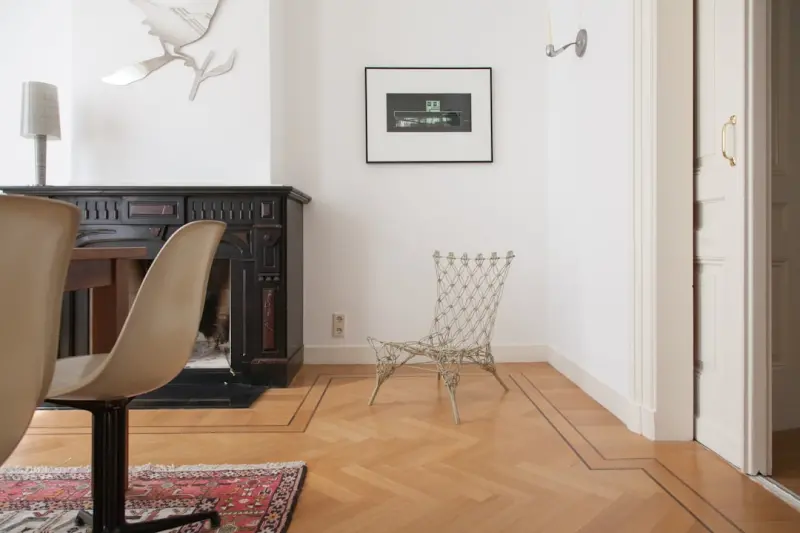
Beyond Warmth: How Floor Heating Elevates Health, Sustainability, and Space Flexibility
A deep dive into the health, environmental, and design benefits of radiant floor heating, showing ho... Read More
Top Posts
Breathing New Life into Vintage Windows: A Restoration Blueprint
Restoring vintage windows blends heritage preservation with modern performance. This guide walks you through assessment, material selection, step‑by‑step re...Read More

Weathering the Storm: How Sustainable Home Additions Can Save Your Home
Learn how sustainable home additions can help protect your home from severe weather while reducing your carbon footprint. Explore eco-friendly designs and mater...Read More

When the Ground Shifts: A Homeowner’s Playbook for Foundation Repair
A comprehensive guide that helps homeowners spot early foundation issues, choose the right contractor, finance repairs, and integrate modern diagnostics into a ...Read More

The Handyman’s Guide to Digital Efficiency: Boosting Profits with Tech
Learn how modern handymen can harness scheduling software, mobile payments, and digital inventory to work smarter, boost profits, and build lasting client relat...Read More
0 Comments
Post Comment
You will need to Login or Register to comment on this post!