
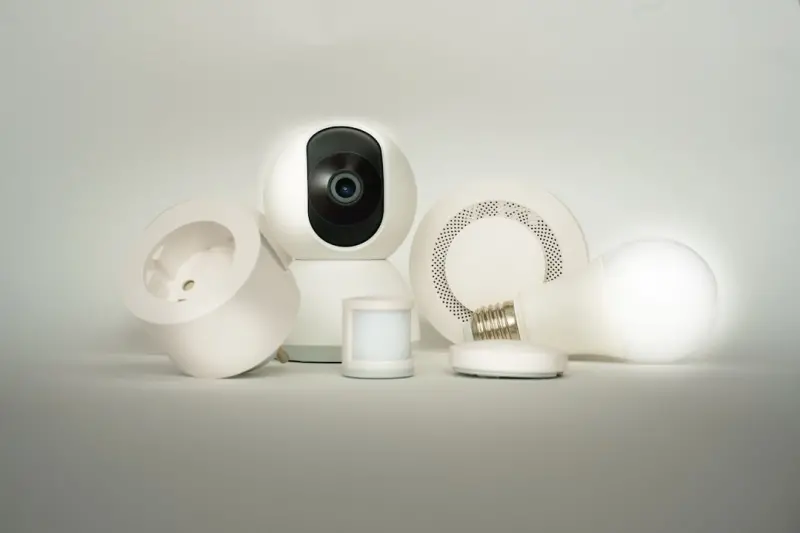
Why Modern Home Alarm Systems Are More Than Just Deterrents
When I first moved into my downtown loft, the alarm panel on the wall felt like a relic from a bygone era—hard‑wired, noisy, and utterly disconnected from the rest of my smart home. Over the past few years, however, I’ve watched the technology evolve from a simple motion sensor into a sophisticated, data‑driven platform that talks to my thermostat, my lights, and even my calendar. In this post, I’ll unpack why today’s home alarm systems deserve a seat at the table of any serious homeowner who cares about security, energy efficiency, and peace of mind.
The Hidden ROI of Integrated Alarm Systems
Most homeowners think of an alarm system as a line‑item expense: install the hardware, pay the monthly monitoring fee, and call the police when something goes wrong. What they often miss is the return on investment that comes from integration. When the alarm’s motion sensors are linked to your lighting control, a sudden movement can trigger a gradual “wake‑up” sequence that turns on hallway lights, simulating occupancy and deterring burglars without a blaring siren.
Beyond deterrence, an integrated system can lower utility bills. For instance, if a window sensor detects that a room has been opened for an extended period, the system can automatically adjust the HVAC to an energy‑saving setpoint. This kind of intelligent coordination is the reason why the line between security and sustainability is blurring—your alarm becomes a guardian of both safety and energy.
Data‑Driven Threat Detection: From Reactive to Proactive
Traditional alarms react to a breach; next‑gen systems predict one. By feeding sensor data into a cloud‑based analytics engine, the system learns the normal rhythm of your household—when you typically leave, which doors stay locked, and how often motion is detected at odd hours. When a pattern deviates, you receive a nuanced alert, not just a generic “intruder detected.” This is the same kind of predictive insight that powers Predictive Electrical Maintenance in commercial settings, but now it’s applied to the front door of your home.
Imagine receiving a notification that your back door was opened three minutes before sunrise, a time you usually never leave the house. The system can ask, “Is this you?” via a smartphone prompt. If you confirm, it logs the event as benign; if not, it escalates to a live video feed for you or the monitoring center to verify. The result is a reduction in false alarms—a chronic pain point that has historically driven up insurance premiums.
Human‑Centric Design: Making Alarms Feel Like Part of Home Life
Security equipment has a reputation for being intrusive. The clunky beeping of a siren or the glaring red LED can make a home feel like a fortress rather than a sanctuary. Modern designers are shifting toward human‑centric cues: soft chimes, ambient lighting, and even scent diffusion that activates during a breach to create a multisensory alert without shocking occupants awake.
One practical example is the use of hidden comfort tweaks that blend security with wellness. A subtle change in indoor lighting temperature can signal a door being forced, while the same lighting can shift to a calming warm tone when you arm the system at night, reinforcing a sense of safety without a harsh auditory cue.
These design choices matter because they influence how people respond to alerts. Studies show that users who perceive alarms as a natural extension of their living space are more likely to engage with the system’s secondary features—like remote locking, camera access, and automated lock‑down protocols—rather than ignoring them.
Seamless Integration with the IoT Ecosystem
If you’ve ever tried to stitch together a smart lock, a thermostat, and a voice assistant, you know the pain of juggling separate apps and protocols. Modern alarm hubs are emerging as the unifying backbone for the entire IoT ecosystem. Using open standards like Matter and Zigbee, the alarm can act as a gateway that authenticates devices, enforces security policies, and logs activity centrally.
Take the scenario where a delivery driver rings your doorbell. The smart doorbell sends a video feed to your phone, the alarm system verifies the visitor against a whitelist, and if the visitor is approved, it temporarily disables the interior motion sensors to prevent a false alarm while you retrieve your package. When the door closes, the alarm re‑engages automatically. This kind of fluid interaction eliminates the “security vs. convenience” trade‑off that has haunted homeowners for decades.
The Role of Edge Computing in Real‑Time Response
Latency is the enemy of effective security. Waiting even a few seconds for a cloud service to analyze a sensor event can mean the difference between catching a thief in the act and discovering a broken window after the fact. Edge computing brings the processing power right to the alarm hub, enabling instant decision‑making.
For example, facial recognition algorithms can run locally on the hub’s processor. When someone approaches the front door, the system matches the face against a stored database in milliseconds, unlocking the door for recognized family members and alerting you if an unknown face is detected. Because the data never leaves your home network, you also gain a layer of privacy that cloud‑only solutions can’t guarantee.
Insurance Incentives and the Emerging “Smart Home Discount”
Insurance companies have long offered discounts for traditional alarm systems, but the next wave of discounts is tied to data richness and system reliability. By sharing anonymized sensor logs with insurers, you can demonstrate that your home is not just protected but actively monitored and optimized. In many regions, insurers now offer up to a 15% premium reduction for homes that meet “smart‑ready” criteria—essentially a badge of honor for tech‑savvy homeowners.
Beyond premiums, some insurers are experimenting with dynamic pricing: if your alarm system detects a prolonged period of inactivity (e.g., you’re on vacation) and automatically arms all sensors, you could earn a temporary “vacation discount.” The integration of security data with underwriting models is still in its infancy, but it signals a future where your alarm system does more than just keep burglars out; it can also put money back in your pocket.
Future Trends: From Passive Guard to Active Defender
The horizon for home alarm systems is bright and bristling with possibilities. Here are three trends I’m keeping an eye on:
- Robotic Patrols: Small, autonomous rovers that patrol indoor corridors, equipped with cameras and infrared sensors, can supplement static alarms by physically verifying alerts.
- Biometric Fusion: Combining voice recognition, gait analysis, and even heartbeat detection to create multi‑factor authentication that’s both seamless and highly secure.
- Community Mesh Networks: Neighborhood‑wide alarm grids where each home’s sensors feed into a shared mesh, allowing neighbors to receive real‑time alerts about nearby incidents, effectively turning the whole block into a cooperative security net.
While these innovations may sound like science fiction, the building blocks are already in place. The key takeaway is that a home alarm system is no longer a siloed security product; it’s a dynamic platform that can evolve with your lifestyle, your home’s architecture, and the broader smart ecosystem.
Getting Started: A Pragmatic Checklist
If you’re ready to upgrade, consider this step‑by‑step checklist to ensure you select a system that truly integrates and scales:
- Define Your Core Needs: Is your priority deterrence, data analytics, energy savings, or a blend?
- Assess Compatibility: Look for hubs that support open standards (Matter, Thread) to avoid vendor lock‑in.
- Prioritize Edge Processing: Systems that handle critical decisions locally will offer faster response times.
- Evaluate Integration Options: Ensure the alarm can talk to your existing smart lock, lighting, and HVAC controls.
- Check Insurance Partnerships: Some providers list approved devices that qualify for discounts.
- Test the UX: A user‑friendly app is essential; you’ll spend more time interacting with it than the hardware.
- Plan for Future Expansion: Choose a modular platform that can add sensors, cameras, or even robotic patrol units later.
By treating your alarm system as a living component of your smart home, you’ll unlock benefits that go far beyond the occasional siren.
Conclusion: Security as a Service, Not a Product
In my journey from a skeptical renter to a confident homeowner, the biggest revelation has been that security is no longer a static product you buy and forget. It’s an evolving service that learns, adapts, and collaborates with the other elements of your home. When you choose a system that embraces data, integrates seamlessly, and respects human experience, you turn a simple alarm into a strategic asset—one that safeguards your property, reduces costs, and enhances overall well‑being.
As we look ahead, the lines between safety, sustainability, and convenience will continue to blur. The home alarm system of tomorrow will be less about loud noises and more about intelligent, invisible guardians that work quietly in the background, giving you the freedom to focus on what truly matters: living.

Lifan Chen is a freelancer based in Toronto specializing in marketing. With expertise in crafting effective marketing strategies and campaigns, Lifan helps businesses grow their brand presence and reach target audiences. As a Toronto-based freelancer, Lifan combines local market insights with creative marketing skills to deliver tailored solutions for clients.
Related Posts

Beyond Bells and Sirens: Redefining Home Alarm Systems for the Connected Era
Modern alarm systems are evolving from simple intrusion alerts to predictive, privacy‑focused, and... Read More
Reimagining Home Alarms as Learning, Community‑Aware Guardians
A deep dive into turning traditional home alarms into AI‑driven, privacy‑first, community‑link... Read More

The Intersection of Home Security and Sustainability: A New Era for Home Alarm Systems
The intersection of home security and sustainability is an exciting and rapidly evolving field. Lear... Read More
Top Posts

Transform Your Home with Color: A Fresh Take on Painting
Explore the hidden power of paint—from mood‑boosting hues and sustainable formulas to smart finishes and maintenance tricks that keep your home looking fres...Read More

Beyond the Frame: How Windows & Doors Are Shaping Modern Workplaces
Windows and doors are more than architectural elements; they’re strategic assets that drive energy efficiency, health, security, and long‑term value. This p...Read More

Breathing New Life into Your Outdoor Space: The Transformative Power of Awnings
Awnings can transform your outdoor space into a haven of comfort and style. Learn about the benefits, styles, and installation options of awnings....Read More

Edge AI Powers Real-Time Electrical Load Balancing
Edge AI brings intelligence to the electrical panel, enabling real-time load forecasting, fault detection, and automatic load balancing, delivering cost savings...Read More
0 Comments
Post Comment
You will need to Login or Register to comment on this post!