

Why Drywall Is No Longer Just a Partition
When most people think about drywall, they picture a white sheet nailed to a wall, sanded, and painted. In reality, the humble gypsum panel has evolved into a multifunctional platform that can influence acoustics, fire safety, indoor air quality, and even data collection. In this article I’ll walk through the most compelling ways contractors, designers, and facility managers can extract far more value from every square foot of drywall they install.
1. Acoustic Engineering From the Inside Out
Open‑plan offices, collaborative classrooms, and modern retail spaces all share a common challenge: controlling sound without sacrificing flexibility. Traditional sound‑proofing solutions—mass‑loaded vinyl, acoustic ceiling tiles, or bulky wall assemblies—often add cost and complexity. High‑performance drywall, however, offers a built‑in answer.
- Mass‑Loaded Gypsum: By increasing the density of the core material, manufacturers create panels that dampen low‑frequency vibrations. The result is a wall that behaves like a miniature bass trap.
- Integrated Resilient Channels: Some premium systems embed resilient channels between the gypsum and the framing, decoupling the surface from structural vibrations and reducing sound transmission by up to 15 dB.
- Perforated Finish Layers: When a decorative perforated veneer is applied over a standard drywall, it can scatter sound waves, improving speech intelligibility in large meeting rooms.
When these strategies are combined, you can meet LEED or WELL acoustic criteria without resorting to separate wall cavities or additional insulation. The key is to plan the acoustic performance early in the design phase, treating drywall as a structural acoustic element rather than an afterthought.
2. Fire‑Resistant Gypsum: The Silent Guardian
Fire safety regulations often dictate the use of fire‑rated assemblies, but many contractors view these requirements as a cost penalty. Modern fire‑resistant drywall flips that perception on its head. The gypsum core contains chemically bound water; when exposed to heat, the water vaporizes, absorbing energy and slowing the spread of fire.
Beyond the standard Type X panels, new formulations incorporate glass fibers and intumescent additives that expand when heated, sealing gaps and maintaining structural integrity for longer periods. Installing a single layer of these advanced boards can achieve a 2‑hour fire rating, eliminating the need for additional fire‑blocking materials in many applications.
For building owners, the payoff is twofold: lower insurance premiums and a measurable increase in occupant safety. For contractors, the reduction in material handling and labor translates directly into a tighter schedule and a cleaner job site.
3. Sustainable Gypsum: From Mine to Market
Environmental stewardship is no longer a nice‑to‑have; it’s a procurement requirement for many corporate clients. Drywall manufacturers have responded with several sustainable pathways:
- Recycled Gypsum: Up to 30 % of the core can be sourced from reclaimed wallboard, reducing landfill waste and the carbon footprint of raw material extraction.
- Low‑VOC Finishes: Modern joint compounds and primers are formulated without volatile organic compounds, supporting healthier indoor air quality.
- Carbon‑Neutral Production: Some plants now power their kilns with renewable energy, achieving a net‑zero carbon balance for the panel itself.
When you specify a sustainable drywall system, you earn credits in green building certification programs and demonstrate a commitment to circular construction practices. The added benefit is often a modest weight reduction, which can lower transportation costs and simplify handling on site.
4. Embedding Sensors: Turning Walls Into Data Highways
Imagine a wall that knows when humidity spikes, when a structural shift occurs, or when a fire‑hazardous temperature threshold is crossed—all without a separate sensor suite. The answer lies in the integration of thin‑film sensors directly into the drywall surface or core.
These sensors can be:
- Capacitive moisture detectors that alert facility managers to hidden leaks behind the wall.
- Thermocouple strips that feed real‑time temperature data to a building management system.
- Acoustic vibration monitors that detect early signs of structural fatigue in high‑rise construction.
Integrating these devices during the installation phase is far cheaper than retrofitting them later. Moreover, the data they generate can be visualized through digital twins of the building, enabling predictive maintenance and reducing downtime.
5. Streamlined Installation with Prefabricated Wall Modules
Speed is the most valuable commodity on any construction site. Prefabricated drywall modules—complete with framing, insulation, and finishing layers—can be assembled off‑site, transported as a single unit, and hoisted into place. This approach offers several advantages:
- Reduced Labor Hours: A crew that would normally spend a full day hanging and taping a 500‑sq‑ft wall can accomplish the same task in a fraction of the time.
- Consistent Quality: Factory conditions ensure uniform joint treatment and finish quality, minimizing on‑site rework.
- Lower Waste: Precise cutting in a controlled environment reduces scrap, aligning with sustainability goals.
For projects with tight deadlines—think temporary event spaces or rapid‑deployment office pods—these modular solutions can be a game changer. The only trade‑off is the need for meticulous coordination between the design team and the prefabrication shop to ensure openings for doors, windows, and services align perfectly.
6. Health‑Centric Finishes: The Role of Low‑Dust Joint Compounds
Traditional joint compounds generate a fine dust that can irritate lungs and trigger allergic reactions. Recent advances have produced low‑dust, polymer‑enhanced compounds that set faster and produce a cleaner work environment. Some of the benefits include:
- Reduced Respiratory Risks: Less airborne silica and gypsum particles mean fewer health incidents on the job site.
- Accelerated Curing: Faster set times allow for earlier sanding and painting, compressing the overall project timeline.
- Improved Adhesion: Polymer additives increase the bond strength between layers, resulting in a more durable finish.
When paired with low‑VOC paints, these finishes contribute to a healthier indoor environment—a selling point for owners seeking WELL certification or aiming to attract talent that values workplace wellness.
7. Navigating Code and Permitting Efficiently
While drywall itself is a straightforward material, the associated fire‑rating and acoustic requirements often trigger additional permit reviews. Understanding the local code nuances can transform a potential bottleneck into a smooth procedural step. For instance, many jurisdictions accept a single‑layer Type X panel as meeting both fire and sound‑transmission criteria, eliminating the need for separate fire‑blocking installations.
By aligning your drywall strategy with the permit navigation strategies outlined in related resources, you can submit a consolidated package that satisfies multiple code sections simultaneously, reducing review cycles and keeping the project on schedule.
8. The Future: Smart Drywall and Integrated Building Controls
Looking ahead, the convergence of building automation and material science will make drywall an active participant in a building’s intelligent ecosystem. Imagine a wall that not only reports temperature and humidity but also modulates its own thermal resistance using phase‑change materials embedded within the gypsum. While still in experimental stages, pilot projects are already demonstrating energy savings of up to 8 % in climate‑controlled spaces.
Such innovations will demand collaboration across disciplines—architects, material engineers, and software developers must speak a common language. The payoff, however, will be a building envelope that adapts in real time, delivering comfort, safety, and efficiency without manual intervention.
Key Takeaways
- Modern drywall can serve as an acoustic, fire‑resistant, and sustainable building component.
- Embedding thin‑film sensors transforms walls into data‑rich surfaces, feeding building management systems and digital twins.
- Prefabricated wall modules accelerate schedules, cut waste, and improve quality control.
- Low‑dust, polymer‑enhanced joint compounds promote healthier job sites and faster project delivery.
- Strategic permit planning can streamline approvals and reduce delays.
- The next generation of smart drywall promises adaptive thermal performance and deeper integration with IoT platforms.
By treating drywall as a multifunctional system rather than a mere partition, you unlock new avenues for performance, safety, and sustainability. Whether you’re a general contractor, a facilities manager, or a design‑build firm, embracing these innovations will differentiate your projects in a competitive market and future‑proof your installations for the next wave of building intelligence.

David MacKinnon is a dynamic freelance writer known for his captivating storytelling and keen insights into the world of technology. With a passion for exploring the intersection of innovation and everyday life, he crafts engaging narratives that not only inform but also inspire his readers.
Related Posts
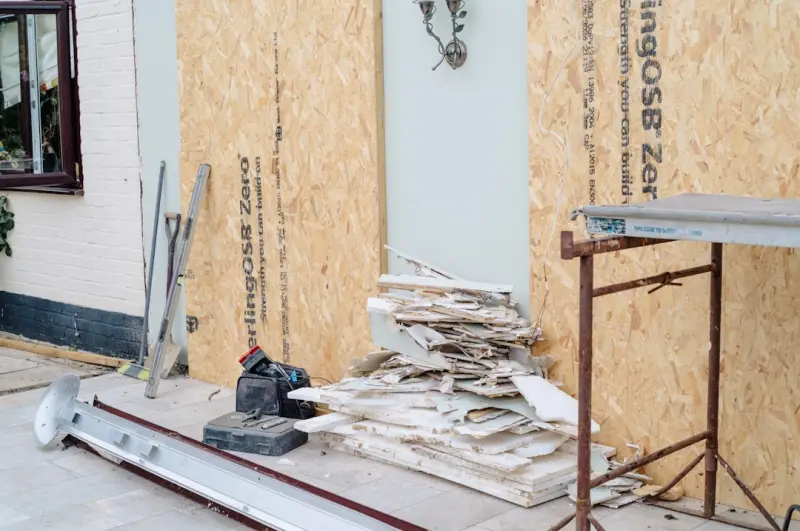
Revamping Your Walls: Sustainable Drywall Strategies for Modern Homes
From greener board selections to acoustic upgrades, this guide walks you through the latest drywall ... Read More
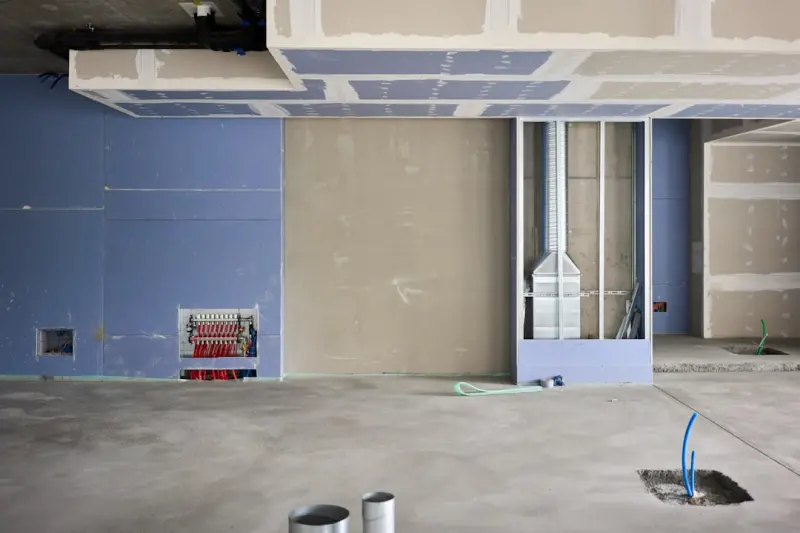
Beyond the Board: Mastering Sustainable Drywall Techniques
Learn how to choose, install, and maintain sustainable drywall, integrating smart wiring and eco‑f... Read More

The Art of Drywalling: Why It Matters in Modern Home Construction
Drywalling is a critical component of modern home construction that requires attention to detail, pr... Read More
Top Posts
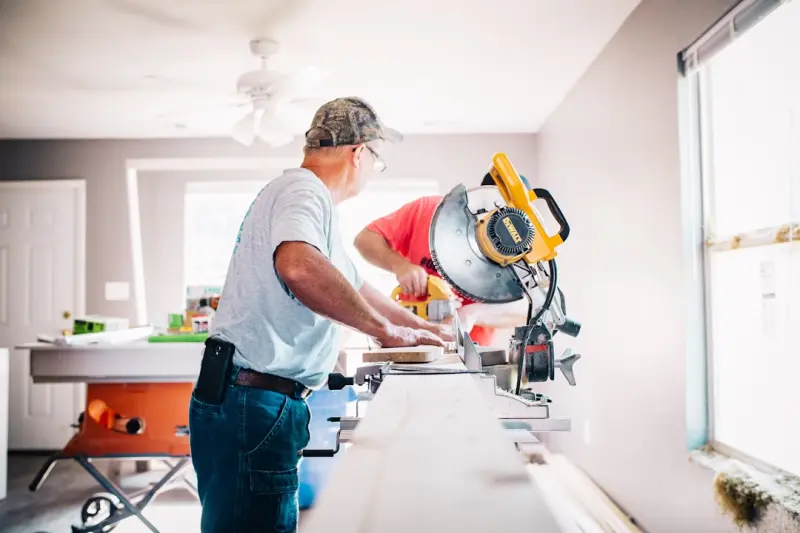
Invisible Wins: Small DIY Repairs That Save Money and Boost Comfort
Learn how simple, often overlooked fixes—from draft‑proofing doors to sealing drywall cracks—can dramatically improve comfort, reduce utility bills, and k...Read More

Beyond the Checklist: How AI and Drones Are Reinventing Home Inspections
Traditional home inspections miss hidden moisture, energy leaks, and structural fatigue. By integrating AI-driven thermal imaging, drone roof surveys, and IoT s...Read More

The Hidden ROI of Upgrading Your Gutters: Boosting Value and Cutting Costs
Learn why upgrading gutters is a strategic investment that safeguards your home, cuts long‑term costs, and enhances resale value....Read More

Connected Fencing: How IoT Redefines Perimeter Management for Modern Enterprises
A fence is no longer just a barrier. Learn how connected fencing leverages sensors, solar power, and AI to deliver security, sustainability, and data-driven ins...Read More
0 Comments
Post Comment
You will need to Login or Register to comment on this post!