
Why the Traditional Alarm System No Longer Fits Modern Living
When I first moved into my downtown loft, the first thing I did was call a security company and have a loud, blinking siren installed on the front door. It was the default answer to a vague fear: what if someone tried to break in while I was out? Fast‑forward a few years, and that same siren feels out of place in a home that now talks to my thermostat, adjusts the lighting for my morning routine, and even orders groceries for me. The old “loud alarm, flashing light” model is a relic that clashes with the quiet, interconnected lives we’re building. It’s time to shift from reactive noise to proactive, data‑driven confidence.
From Sirens to Signals: The Rise of Silent Deterrence
Modern alarm systems are moving away from the blaring, attention‑grabbing alerts of the past. Instead, they employ silent deterrence tactics that blend seamlessly into everyday life. Think of discreet motion sensors that trigger a subtle change in lighting or a soft, personalized voice cue that lets you know a door has been opened. These cues are less about startling intruders and more about notifying the homeowner and, crucially, the security network instantly.
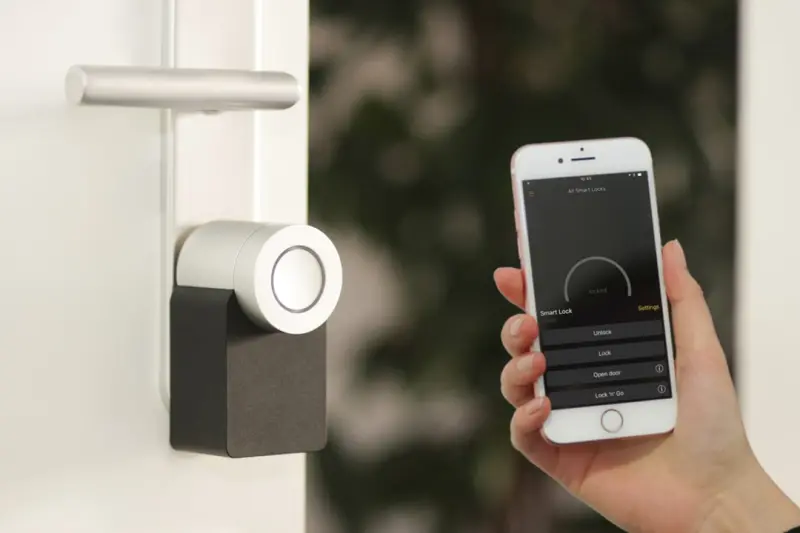
Silent deterrence also reduces the “false alarm” fatigue that plagues many neighborhoods. When a system relies on audible alarms, neighbors often become desensitized after repeated false triggers, diminishing the community’s overall vigilance. By using subtle cues—like a smart lock sending a push notification to your phone—homeowners stay informed without creating a public nuisance.
Data‑Driven Defense: Turning Information into Protection
One of the most exciting developments is the integration of predictive maintenance principles into alarm technology. Just as predictive maintenance uses sensor data to anticipate equipment failures, a smart alarm system can analyze patterns in door usage, window openings, and even ambient sound levels to flag anomalies before a break‑in occurs.
For example, if a back door is typically opened at 7 am on weekdays but suddenly registers an opening at 2 am, the system can trigger an immediate escalation: lock all interior doors, flash interior lights, and alert both the homeowner and a monitoring service. Over time, the algorithm learns the household’s rhythm, reducing false positives and increasing confidence that any alert truly matters.
AI as the New Guard: Learning, Adapting, Protecting
Artificial intelligence is not just a buzzword for chatbots; it’s becoming the brain of home security. By processing data from dozens of sensors in real time, AI can distinguish between a pet’s paw, a child’s playful tumble, and a genuine threat. This reduces the need for users to constantly arm and disarm systems—a common pain point that leads to accidental disarming.
AI also enables AI‑powered command centers that act as a central hub for all home security and automation decisions. These command centers can prioritize alerts based on severity, route video feeds to the appropriate parties, and even coordinate with local law enforcement in real time. Imagine a scenario where a window break is detected, the AI cross‑checks the homeowner’s location via a smartphone GPS, and automatically contacts the police with precise coordinates—no human intervention required.
Designing Security That Doesn’t Disrupt Aesthetic Flow
Homeowners today care deeply about design. A clunky security panel plastered on the wall can ruin an otherwise sleek interior. The new generation of alarm systems offers architecturally integrated sensors—tiny, paint‑matched devices that blend into door frames, window sills, and even ceiling tiles. Some systems even use existing fixtures, like smart light switches, to double as entry sensors.
In addition, manufacturers are offering customizable alert tones and visual indicators that match your home’s color palette. The goal is to keep the security presence subtle, allowing the home’s aesthetic to remain the star of the show.
Integrating Security with the Broader Smart Home Ecosystem
One mistake many homeowners make is treating the alarm system as a stand‑alone entity. The most resilient homes weave security into the larger smart home fabric. When a door sensor detects forced entry, the system can automatically lock all smart locks, turn on exterior floodlights, and cue indoor cameras to start recording—all without a single manual command.
Even non‑security devices can contribute. A smart thermostat, for instance, can trigger a “vacancy mode” when you’re away, lowering heating and cooling while simultaneously alerting the alarm system to expect reduced activity. Similarly, a connected water leak sensor can double as a proxy for unusual activity—if a leak is detected in the kitchen at 3 am, the system can prompt a check to ensure it isn’t a cover for a break‑in.
Future‑Proofing: Building a System That Grows With You
Technology moves at a breakneck pace, and the last thing you want is a security system that becomes obsolete in a few years. The best approach is to select platforms that support open standards and modular expansions. Look for alarm solutions that allow you to add new sensors, cameras, or AI modules without replacing the entire hub.
Moreover, consider the system’s integration with upcoming innovations like edge computing, where processing happens locally on the device rather than in the cloud. This reduces latency, improves privacy, and ensures that critical alerts are delivered instantly, even if your internet connection drops.
Practical Steps for Homeowners Ready to Upgrade
- Audit your current security posture. Identify blind spots—areas without coverage or devices that are outdated.
- Choose a platform that embraces data. Systems that incorporate predictive analytics and AI will offer better accuracy and fewer false alarms.
- Prioritize discreet hardware. Opt for sensors and panels that blend with your interior design to maintain aesthetic harmony.
- Leverage existing smart devices. Integrate your alarm with thermostats, lights, and voice assistants for a unified response strategy.
- Plan for scalability. Ensure the hub supports additional sensors, cameras, and future AI modules without a full system overhaul.
- Test and refine. Conduct regular drills, review logs, and adjust sensor sensitivity based on real‑world usage patterns.
The Bottom Line: Security That Serves, Not Distracts
Home alarm systems are at a crossroads. The noisy, intrusive models of the past are giving way to intelligent, silent guardians that blend seamlessly into our lives. By embracing data, AI, and thoughtful design, homeowners can achieve a level of protection that feels like a natural extension of their living space rather than an afterthought.
In my own home, the shift from a blaring siren to an AI‑enhanced, discreet network has been transformative. I no longer worry about the alarm’s volume echoing through the hallway at midnight. Instead, I trust a system that learns my routines, speaks to my other smart devices, and alerts me only when it truly matters. The peace of mind that comes from this quiet confidence is, in my view, the ultimate upgrade.

Kelly Reynolds is a dynamic freelance writer hailing from the picturesque landscapes of Alberta. A master of the written word, she juggles her passion for storytelling with the exhilarating chaos of being a mother to five spirited children. With an impressive portfolio that spans various genres, Kelly captivates readers through her engaging blog posts and thought-provoking articles.
Related Posts

A Fresh Take on Home Alarm Systems: Human‑Centric Security for Modern Living
Explore how a human‑centric alarm system blends context‑aware alerts, multi‑modal sensors, and... Read More

Securing Your Sanctuary: How Home Alarm Systems Fit into Sustainable Living
Explore the intersection of home alarm systems and sustainable living. Learn how modern security sol... Read More

Home Alarm Systems Reimagined: From Guard to Smart Home Concierge
A deep dive into the future of home alarm systems, highlighting AI‑driven alerts, privacy safeguar... Read More
Top Posts

Reimagining the General Contractor’s Playbook: Collaboration, Tech, and Risk Mastery
General contractors are moving beyond traditional blueprints, leveraging integrated project delivery, AI‑driven planning, and proactive risk strategies to del...Read More

Why Mold Removal Should Be a Core KPI for Facility Managers
Treat mold removal as a measurable performance indicator. Learn how integrating mold metrics into your KPI dashboard can cut costs, improve health outcomes, and...Read More

Designing Intentional Micro‑Zones: A Practical Guide to Boosting Home Wellbeing
Discover a step‑by‑step guide to turning everyday rooms into purposeful micro‑zones that improve focus, relaxation, and sustainability—all without major...Read More

Rethinking Roof Care: From Reactive Fixes to Predictive Partnerships
Discover how a shift from emergency repairs to data‑driven, subscription‑based roof management can extend lifespan, cut expenses, and enhance building resil...Read More
0 Comments
Post Comment
You will need to Login or Register to comment on this post!