
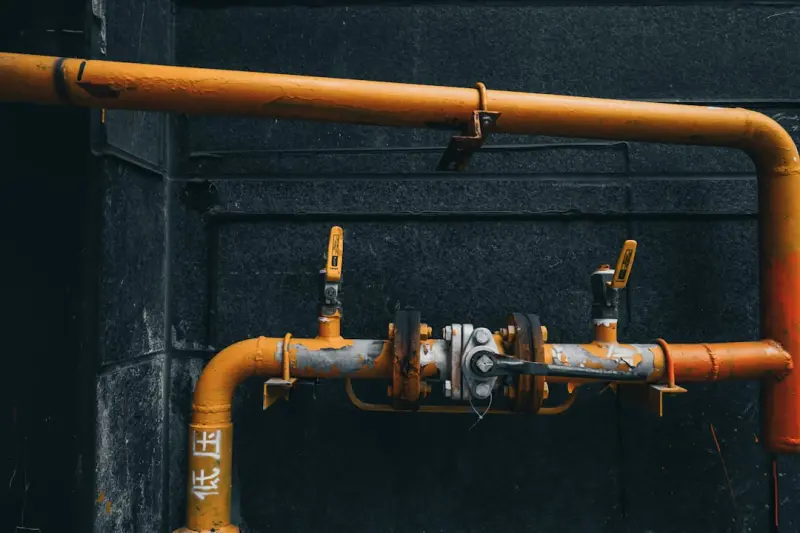
Why a Proactive Plumbing Audit Beats a Reactive Fix‑It‑Later Strategy
When I first stepped onto a construction site fresh out of trade school, the mantra was simple: if it leaks, fix it. Decades later, after countless midnight calls, flooded basements, and emergency shut‑offs, I’ve learned that the real cost of plumbing isn’t measured in gallons of water or minutes of downtime—it’s measured in the hidden dollars that slip through the cracks of a reactive mindset. A proactive plumbing audit flips that script. Instead of waiting for the drip that becomes a flood, you interrogate every pipe, valve, and fixture before it becomes a problem.
What Exactly Is a Proactive Plumbing Audit?
A proactive plumbing audit is a systematic, data‑driven review of a building’s entire water delivery and waste removal system. Think of it as a health check‑up for your plumbing, complete with:
- Visual inspections of exposed piping, joints, and connections.
- Pressure testing to uncover hidden leaks that aren’t yet visible.
- Thermal imaging to detect moisture behind walls and ceilings.
- Flow‑rate analysis to pinpoint bottlenecks or undersized lines.
- Material assessment to gauge the remaining service life of copper, PEX, PVC, or cast iron.
The audit culminates in a comprehensive report that ranks issues by severity, cost, and impact on tenant comfort. It’s not just a list of problems; it’s a roadmap for strategic investment.
The Business Case: Dollars, Not Just Drips
Let’s talk numbers. A typical mid‑size office building loses up to 5 % of its water bill to undetected leaks, according to industry benchmarks. For a 20,000‑square‑foot property with a $3,000 monthly water expense, that’s $150 wasted each month—or $1,800 a year. Multiply that by the cost of water‑damage remediation, increased insurance premiums, and tenant turnover, and you’re looking at a six‑figure hit over a few years.
Now, compare that to the cost of an audit. A qualified plumbing consultant can deliver a full‑scale audit for anywhere between $4,000 and $7,000, depending on building size and complexity. The return on investment (ROI) often materialises within the first 12 months, thanks to:
- Reduced water consumption from fixing hidden leaks.
- Lower utility bills after upgrading inefficient fixtures.
- Extended lifespan of existing pipework through preventative maintenance.
- Fewer emergency call‑outs, freeing up the facilities team for strategic projects.
In short, the audit pays for itself before you even finish reading the report.
Beyond Water Savings: The Ripple Effects on Building Performance
Plumbing doesn’t operate in a vacuum. A well‑tuned system supports HVAC efficiency, improves indoor air quality, and even influences the building’s carbon footprint. Here’s how:
- Heat‑recovery ventilation works best when condensate lines are clear, preventing backups that can overload fans.
- Hot‑water recirculation loops can be optimized to reduce heat loss, cutting energy use dramatically.
- Water‑sensing devices tied into building automation can trigger alerts, preventing minor drips from becoming major floods.
When you invest in a plumbing audit, you’re also laying the groundwork for a more sustainable, high‑performing property portfolio.
Integrating the Audit Into an ESG Strategy
Environmental, Social, and Governance (ESG) criteria are no longer optional for commercial real‑estate owners. A proactive plumbing audit dovetails neatly with ESG goals:
- Environmental: Reduced water waste directly lowers the building’s water‑use intensity, a key metric in most ESG frameworks.
- Social: Tenants experience fewer disruptions, better indoor air quality, and lower utility costs—factors that boost satisfaction and retention.
- Governance: Documented audits create a transparent maintenance record, satisfying auditors and investors alike.
In many markets, ESG‑compliant properties command higher rents and enjoy preferential financing terms. A plumbing audit is a low‑cost lever to move the needle on all three pillars.
How to Conduct a Proactive Plumbing Audit: A Step‑by‑Step Guide
Below is a pragmatic framework you can adapt, whether you’re a property manager, a facilities director, or a contractor looking to add value to your services.
1. Assemble a Multidisciplinary Team
Beyond a master plumber, bring in a mechanical engineer, a building‑automation specialist, and—if you have a sustainability officer—someone who can translate findings into ESG metrics.
2. Gather Baseline Data
Collect historic water bills, previous maintenance logs, and any past incident reports. This data forms the baseline against which you’ll measure improvements.
3. Perform the Physical Inspection
Walk the entire building, noting pipe materials, support brackets, and visible corrosion. Use a moisture meter on walls near plumbing stacks, and capture thermal images of high‑traffic zones.
4. Conduct Pressure and Flow Tests
Install pressure gauges at strategic points and run the system at peak demand to spot pressure drops that signal leaks or blockages.
5. Evaluate Fixture Efficiency
Take inventory of toilets, faucets, and showers. Identify any that exceed the Maximum Flow Rate limits set by local codes and recommend low‑flow replacements where appropriate.
6. Compile Findings and Prioritize
Rank each issue using a simple matrix: Impact (cost, downtime) × Likelihood (age, condition). This yields a clear action plan—quick wins, medium‑term upgrades, and long‑term replacements.
7. Deliver a Visual Report
Include annotated photos, thermal images, and a cost‑benefit analysis for each recommendation. A visual, data‑rich report makes it easier for decision‑makers to allocate budget.
8. Set Up a Follow‑Up Schedule
Proactive audits aren’t a one‑off event. Schedule annual re‑audits or tie them to major tenant turnover events to keep the system in peak condition.
Case Study: Turning an Audited Building into a Competitive Asset
One of my clients—a 30‑unit mixed‑use building in a bustling downtown corridor—had been paying a $4,200 monthly water bill with frequent tenant complaints about low water pressure. After a thorough audit, we discovered three hidden leaks in the basement riser, a corroded copper main that had been patched with epoxy, and outdated 2‑gallon per minute toilets.
We implemented the following fixes:
- Replaced the compromised copper section with PEX, eliminating the leak and reducing pipe‑wall friction.
- Installed low‑flow dual‑flush toilets, cutting toilet water use by 30 %.
- Added pressure‑balancing valves to ensure consistent flow across all units.
Within six months, the building’s water bill dropped to $2,800—a saving of $1,400 per month. Tenants reported a noticeable improvement in pressure, and the landlord was able to market the property as “water‑efficient,” attracting higher‑quality occupants and justifying a 3 % rent increase. The initial audit cost $5,600, but the ROI was realized in just under a year, and the property’s net operating income (NOI) improved by 6 %.
Technology Meets Plumbing: Leveraging Data Without Over‑Complicating
While the title “Predictive Plumbing” has already been explored on this blog, you don’t need a full‑blown AI platform to reap the benefits of data. Simple, low‑cost solutions can integrate with an audit’s findings:
- IoT flow sensors on main lines can send real‑time usage data to a cloud dashboard, flagging spikes that indicate leaks.
- Smart shut‑off valves allow remote isolation of a problematic zone, minimizing damage before a technician arrives.
- Mobile inspection apps let auditors capture photos, annotate issues, and sync directly with a central database for instant reporting.
These tools enhance the audit’s impact without requiring a wholesale digital overhaul, making them ideal for owners who want measurable results without a massive tech budget.
Linking Audits to Waterproofing as a Service Models
Many property owners now subscribe to waterproofing services that include regular inspections and sealant reapplications. A proactive plumbing audit can dovetail with these subscriptions. By feeding audit data into the waterproofing schedule, you ensure that the most vulnerable pipe runs receive priority sealing, reducing the risk of water ingress that could compromise both the structure and the interior finishes.
When you combine the two—audits and a subscription‑based waterproofing approach—you create a resilient, self‑reinforcing maintenance ecosystem. The audit identifies the “where,” and the service model provides the “how” and “when.” It’s a partnership that turns a traditionally reactive process into a continuous, predictive safeguard.
Green Handyman Practices: A Complementary Angle
For smaller commercial properties or even large residential complexes, the audit can be paired with Green Handyman Practices. When you’re already in the field fixing a leaky faucet or replacing a valve, you can apply sustainable methods—using low‑VOC sealants, recycling old pipe sections, and selecting fixtures with the WaterSense label. These incremental practices compound over time, reducing the building’s overall environmental footprint.
Overcoming Common Objections
It’s natural for property owners to balk at an upfront cost. Here are three common push‑backs and how to address them:
- “We don’t have the budget.” Reframe the audit as a budget‑saving investment. Present a cash‑flow model showing water‑bill reductions and avoided emergency repairs.
- “Our building is too old; we’ll need a full replacement anyway.” An audit can pinpoint which sections truly need replacement versus those that can be rehabilitated with targeted fixes, extending the life of existing infrastructure.
- “We already have a maintenance contract.” Most contracts focus on corrective work. An audit adds a strategic, diagnostic layer that transforms routine maintenance into a performance‑driven program.
Future‑Proofing Without the Buzzword
While “future‑proofing” appears frequently across other posts, the principle still matters—just without the cliché. A proactive plumbing audit future‑proofs your asset by ensuring that the plumbing network can handle emerging demands, whether that’s increased occupancy, new water‑intensive equipment, or stricter local regulations.
Takeaway: Turn the Audit into an Ongoing Advantage
In the world of commercial real estate, the margins are tight and the stakes are high. A proactive plumbing audit isn’t a luxury; it’s a competitive advantage. It reduces water waste, enhances tenant experience, aligns with ESG objectives, and creates a data foundation for smarter maintenance.
So the next time you hear a drip, remember: the real value lies not in the drop you catch, but in the systems you put in place to stop the drop from ever forming.

Craig Brett is a freelancer with a passion for the outdoors. His love for nature inspires his work, bringing authentic and engaging perspectives to projects related to outdoor activities, adventure, and environmental topics.
Related Posts
The Importance of Regular Plumbing Maintenance
Regular plumbing maintenance is crucial for homeowners to prevent costly repairs, ensure efficient w... Read More
The Sustainable Plumber’s Playbook: Modern Trends That Save Water, Money, and the Planet
Explore modern plumbing upgrades that boost efficiency, lower bills, and support sustainable living,... Read More

The Plumbing Trends Shaping Homes Today
From smart leak detection to eco‑friendly fixtures, I share the plumbing trends reshaping our home... Read More
Top Posts

Breathing New Life into Historic Windows: A Restoration Guide
Discover a step‑by‑step approach to restoring historic windows, combining authentic craftsmanship with modern efficiency and discreet smart‑home integrati...Read More
Backyard Structures: Turning Sheds & Gazebos Into Profitable Mini‑Enterprises
Explore a fresh business model that repurposes garden sheds and gazebos into pop‑up shops, craft workshops, or micro‑fulfillment hubs, complete with design ...Read More
The Water-Saving Revolution: Sustainable Plumbing Solutions for a Greener Future
Learn about the latest sustainable plumbing solutions to conserve water and promote a greener future, from eco-friendly fixtures to greywater systems and rainwa...Read More

The Ultimate Home Renovation Checklist: Paul Gray's Essential Guide
Paul Gray shares his essential home renovation checklist. Discover how to plan, budget, find the right contractors, navigate permits, and manage your project fo...Read More
0 Comments
Post Comment
You will need to Login or Register to comment on this post!