

Why Tiles Are the Unsung Heroes of Modern Living
When I first set foot on a freshly tiled kitchen floor, the subtle click of the grout under my shoes felt like a promise of durability, aesthetic flexibility, and surprisingly low‑maintenance comfort—all wrapped in a material that can survive spills, sunlight, and the occasional dropped pan without a fuss. Tiles aren’t just floor coverings; they are design tools that can manipulate perception, guide traffic flow, and even influence acoustic quality when chosen wisely, turning a mundane slab into a strategic asset in any renovation plan. Over the years I’ve learned that the real power of tiling lies not merely in the visual impact but in the way it integrates with a home’s thermal mass, moisture regulation, and long‑term resale value, making it a silent yet decisive factor in the overall health of a living space.
Eco‑Conscious Choices: Sustainable Tile Materials That Don’t Compromise Style
As sustainability becomes a non‑negotiable criterion for homeowners, the tile market has responded with a surge of eco‑friendly options such as recycled porcelain, reclaimed wood‑look ceramics, and even bio‑based composites that harness agricultural waste while maintaining the same hardness and water resistance as traditional products. Selecting a tile made from 100 % post‑consumer glass, for example, not only diverts waste from landfills but also creates a shimmering surface that reflects natural light, reducing the need for artificial illumination during the day. I often point clients toward manufacturers that publish cradle‑to‑cradle certifications, because a greener tile choice can lower a home’s carbon footprint without sacrificing the sleek, timeless look that makes tile a perennial favorite.
Pattern Play: Using Geometry to Expand Small Spaces
Small rooms have a reputation for feeling cramped, yet the strategic placement of patterned tiles can visually enlarge a space, guide the eye, and create a sense of movement that tricks the brain into perceiving greater dimensions. Diagonal layouts, herringbone patterns, or even large‑scale hexagonal motifs introduce directional cues that push walls outward, while contrasting grout colors can accentuate the illusion of depth without the need for costly structural changes. In my recent bathroom remodel, a subtle 3‑inch subway tile arranged in a vertical stack not only added a modern flair but also made the modest 5‑by‑7‑foot area feel taller and more open, demonstrating how a thoughtful pattern can be the most economical method of spatial transformation.
Smart Tiles: Integrating Technology Without Sacrificing Elegance
The rise of the Internet of Things has seeped into the world of tiling, giving rise to “smart tiles” that can monitor humidity, temperature, and even foot traffic patterns to optimize heating systems and prevent moisture‑related damage. Embedded sensors within the tile body communicate with home automation hubs, allowing occupants to program radiant floor heating based on real‑time occupancy data, which translates into energy savings and a consistently comfortable environment. While the technology is still emerging, early adopters report that the seamless integration of these sensors preserves the aesthetic integrity of the tile while adding a layer of functionality that traditional flooring simply cannot match.
Acoustic Benefits: How Tile Can Quiet a Noisy Home
Beyond visual appeal, tiles contribute significantly to a room’s acoustic profile, especially when paired with appropriate underlayments and wall finishes that absorb rather than reflect sound. Dense ceramic or stone tiles, when installed over a resilient acoustic mat, can dampen footsteps and reduce echo in open‑plan areas, creating a calmer atmosphere for conversation and concentration. I’ve observed that homes with well‑planned tile floors and strategically placed acoustic panels experience up to a 30 % reduction in ambient noise levels, a benefit that is often overlooked in favor of more obvious design considerations.
Maintenance Myths Debunked: What Really Keeps Tile Looking Fresh
Many homeowners cling to outdated myths that tile requires harsh chemicals, daily scrubbing, or that grout is a permanent eyesore destined for replacement, but modern cleaning solutions and sealants have rewritten those rules. A simple routine of neutral pH cleaners applied with a microfiber mop, followed by a quarterly application of a penetrating grout sealer, can preserve both color vibrancy and structural integrity for decades without the need for aggressive polishing. I encourage clients to test any new cleaner on an inconspicuous tile area first, ensuring compatibility and preventing unwanted discoloration—a practice that saves time, money, and the frustration of premature tile degradation.
Design Fusion: Combining Tile with Unexpected Materials for a Unique Aesthetic
When tile meets wood, metal, or even fabric, the juxtaposition can yield a layered, tactile experience that elevates a room from ordinary to unforgettable. Incorporating reclaimed hardwood inlays within a stone tile floor adds warmth and a narrative of sustainability, while brushed‑aluminum strips set into a ceramic matrix provide a sleek, industrial edge that resonates in modern lofts. I love pairing matte‑finished porcelain with hand‑woven rug runners, allowing the softness of textile to soften the hard surface while preserving the clean lines that tile offers, creating a balanced environment that feels both grounded and refined.
Future‑Proofing with Tile: Longevity, Resale, and Adaptability
Investing in high‑quality tile is an act of future‑proofing; its durability outlasts most flooring options, and its timeless aesthetic appeals to a broad buyer demographic, enhancing resale potential and reducing long‑term replacement costs. Tiles resist scratches, stains, and moisture intrusion far better than hardwood or laminate, meaning that a well‑installed floor can maintain its showroom finish for generations with minimal intervention. Moreover, the modular nature of tile allows for easy reconfiguration—replace a single row to update a pattern or swap out a few panels for a fresh look—offering adaptability that aligns with evolving design trends without the need for a full overhaul.
Learning From the Pros: Key Takeaways From a Handyman’s Perspective
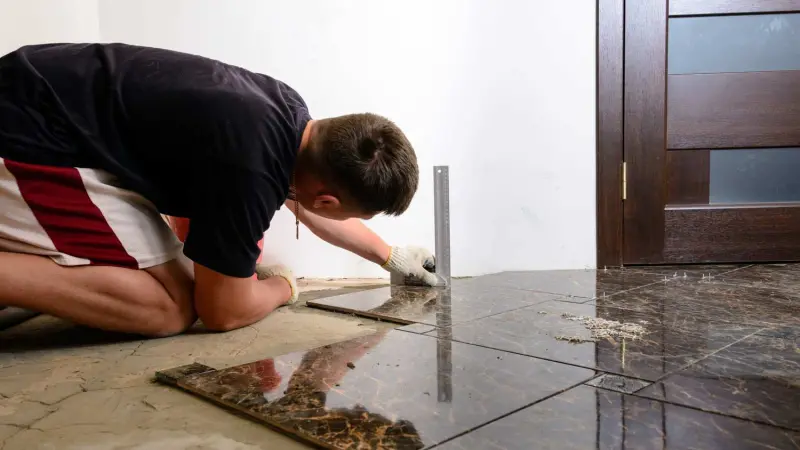
Having spent years in the field, I’ve distilled three core principles that separate successful tile projects from the rest: precision in layout, patience during installation, and respect for the substrate. A meticulous layout plan—often drawn on paper or using digital tools—prevents costly mistakes and ensures that patterns align with architectural features. Taking the time to let thin‑set mortar cure properly before grouting guarantees a bond that can withstand daily wear, while a clean, level substrate eliminates future cracking. For deeper insight into repair strategies that complement tile work, see The Handyman’s Blueprint for Rapid, Profitable Repairs, which outlines best practices that are directly applicable to tile installation.
Final Thoughts: Making Tile Work for You, Not Against You
Tile, when approached with an eye for sustainability, technology, and design nuance, transforms from a simple flooring choice into a multifaceted solution that addresses aesthetics, durability, acoustics, and even energy efficiency. Whether you’re renovating a compact bathroom, upgrading a sprawling kitchen, or seeking a resilient surface for a high‑traffic entryway, the right tile can elevate the entire home experience while keeping maintenance manageable and resale value high. I encourage readers to explore the possibilities, experiment with patterns, and consider the long‑term benefits—because a well‑chosen tile is an investment that pays dividends in comfort, beauty, and peace of mind for years to come.

Tom Ferguson is a Canadian freelance writer with a passion for storytelling, current events, and thoughtful commentary. Drawing on years of writing experience, he shares engaging insights on a wide range of topics, bringing a uniquely Canadian perspective to his work.
Related Posts
Tile Mastery: From Subfloor Secrets to Future‑Proof Design
Learn insider tips on preparing subfloors, choosing durable tiles, mastering grout, and adding smart... Read More

Interactive Tiles: Data, Light & Future Floors
Tiles are evolving from static coverings into smart, data‑rich platforms that sense occupancy, reg... Read More

The Future of Tiling: Trends, Innovations, and Best Practices
The future of tiling is exciting and full of possibilities. Learn about the latest trends, innovatio... Read More
Top Posts

Intelligent Masonry: Building Smarter Walls
Masonry is transitioning from a traditional, static material to a dynamic, data‑enabled building component. By embedding sensors, using low‑carbon bricks, a...Read More

Beyond Square Feet: Crafting Home Additions That Grow With You
A seasoned contractor shares practical insights on creating flexible, resilient home additions that boost livability and resale value while embracing wellness a...Read More

Revitalizing Commercial Spaces: The Business Case for Human‑Centric Renovations
A fresh look at commercial renovations that puts humans at the core—learn why biophilic design, flexible layouts, and smart systems are the secret weapons for...Read More

Beyond Color: How Thoughtful Painting Transforms Home Wellness
A comprehensive guide that shows how intentional paint selection—considering color psychology, low‑VOC options, finishes, and simple tech tools—can turn a...Read More
0 Comments
Post Comment
You will need to Login or Register to comment on this post!