

Why I Treat My Windows Like an Outfit
Ever since I moved into my first apartment, I’ve treated every window as a piece of clothing that needs to be styled, layered, and accessorized. The right combination of fabric, texture, and hardware can turn a bland pane into a statement piece that reflects mood, season, and even personality, much like a favorite jacket that feels personal every time you wear it. I’ve learned that the process isn’t about splurging on high‑end drapery; it’s about thoughtful curation, intentional layering, and a dash of creativity that makes the space feel truly yours.
Understanding Light, Heat, and Sound: The Triple Threat
Windows are the silent negotiators of a room, balancing natural light, indoor temperature, and acoustic comfort, and mastering that balance is an art form I’ve come to love. When sunlight floods a room in the morning, it can lift spirits, but unchecked glare also raises cooling costs and can overwhelm soft furnishings; a well‑chosen sheer or light‑filtering panel can diffuse that brilliance while still inviting warmth. Equally important is the way window treatments dampen street noise, and I’ve found that adding a plush, sound‑absorbing liner behind a decorative curtain reduces echo and creates a cozy, private oasis without sacrificing style.
Choosing the Right Fabric for Seasonal Mood Swaps
My go‑to strategy for seasonal refreshes is to keep a capsule collection of fabrics that speak to each time of year, swapping them like a wardrobe change. In spring, I lean toward breezy linen and soft cottons in pastel hues that echo blooming gardens, while summer calls for lightweight voile that lets breezes dance through the room without compromising privacy. Autumn invites richer velvets and deep, earthy tones that trap a bit of warmth, and winter demands heavyweight wool blends that hug the window like a warm scarf, keeping drafts at bay while adding texture.
DIY Layering Techniques That Feel Luxe Without the Cost
Layering doesn’t have to mean a mountain of expensive drapery; I use three simple components to achieve a high‑end look on a modest budget: a base sheer, a decorative middle layer, and a functional backing. The sheer acts as the first line of visual intrigue, softly diffusing light; the decorative layer—often a patterned fabric or a reclaimed vintage scarf—adds color and personality; finally, a blackout or insulated liner provides privacy and energy efficiency when the mood shifts. By attaching the layers with simple rings or a flexible rod, you can adjust the look instantly, and the whole system can be assembled with tools you already have, a reminder that DIY Home Repair Toolkit skills are just as handy for interior décor as for fixing leaky faucets.
Integrating Smart Textiles for Healthier Indoor Air
One of the most exciting developments I’ve embraced is the rise of smart textiles that actively improve indoor air quality while still looking beautiful. Some modern fabrics are infused with antimicrobial agents and natural charcoal fibers that capture dust and odors, turning curtains into passive air filters that work alongside HVAC systems. Pairing these with well‑sealed windows creates a holistic approach to comfort, echoing the insights from How Windows and Doors Shape Your Home’s Health and Comfort, where the synergy between openings and treatments can dramatically influence breathing quality and overall wellbeing.
Budget‑Friendly Refresh: Reusing Vintage Finds
Before buying new, I always scan thrift stores, estate sales, and even my own attic for vintage textiles that can be repurposed as window dressings. A 1970s tablecloth with a bold geometric print can become a dramatic curtain panel, while old scarves make perfect tie‑backs or accent sleeves. This approach not only saves money but also adds a story‑filled layer to the space, a practice I explored further when I breathed new life into vintage furniture, discovering that the same principles of renewal apply beautifully to windows.
Maintenance Rituals That Extend the Life of Your Treatments
Just as you would rotate a wardrobe seasonally, I schedule a gentle maintenance routine for my window treatments to keep them fresh and functional. A quick vacuum with a brush attachment removes dust before it settles into fibers, and a monthly spot‑clean using a mild detergent preserves color vibrancy without harsh chemicals. For heavier fabrics, I flip and rotate them every few months to ensure even wear, and I always check the hardware for loose brackets or rust, tightening as needed to prevent sagging—a habit that mirrors the preventive mindset I use in larger home projects.
Final Thoughts: Making Your Windows Speak Your Story
At the end of the day, windows are more than portals for light; they are canvases that narrate who we are and how we wish to feel inside our homes. By approaching them with the same intentionality I give to fashion—considering fabric, layering, function, and personal history—I’ve turned ordinary panes into expressive, comfortable, and sustainable focal points. Whether you’re swapping fabrics with the seasons, integrating smart textiles, or breathing new life into a vintage find, the journey of curating window treatments becomes a rewarding, ever‑evolving design adventure.

Kelly Reynolds is a dynamic freelance writer hailing from the picturesque landscapes of Alberta. A master of the written word, she juggles her passion for storytelling with the exhilarating chaos of being a mother to five spirited children. With an impressive portfolio that spans various genres, Kelly captivates readers through her engaging blog posts and thought-provoking articles.
Related Posts
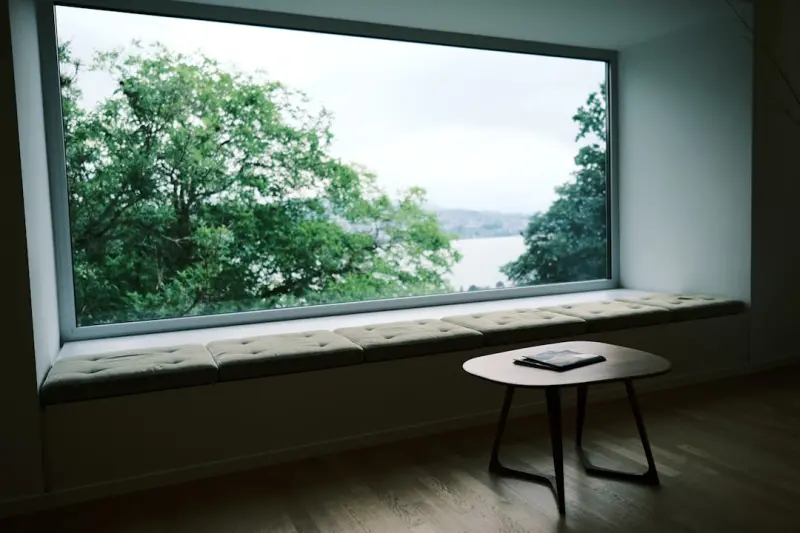
When Silence Sells: Harnessing Acoustic Window Treatments for Smarter Spaces
Acoustic window treatments turn sound management into a strategic asset, improving productivity, ten... Read More
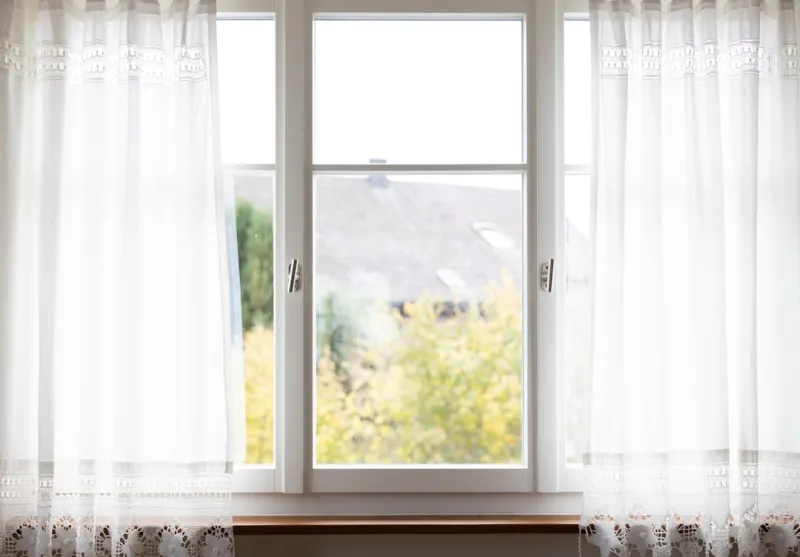
The Ultimate Guide to Window Treatments: Style, Function, and Energy Efficiency
Window treatments are a crucial aspect of home design, offering both style and function. Learn how t... Read More
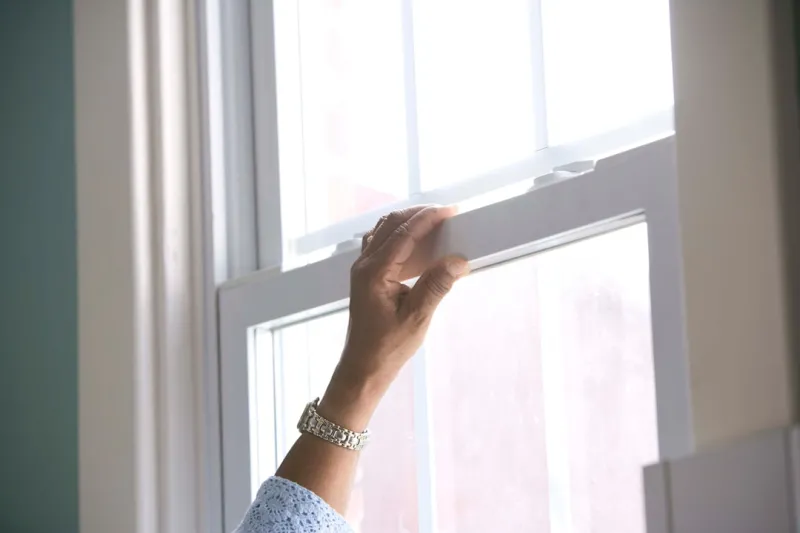
The Rise of Smart, Sustainable Window Treatments
Discover how smart fabrics, automation, and sustainable materials are transforming window treatments... Read More
Top Posts

Turning Your Garage into a Future‑Ready Hub: Smart Design, Sustainability, and Flexibility
A modern garage can do far more than shelter a car. Learn how to construct a future‑ready garage that integrates EV charging, climate‑controlled work zones,...Read More

Strategic Adaptive Reuse and Modular Design: A New Playbook for Commercial Renovations
Explore a fresh strategy for commercial renovations that blends adaptive reuse, modular construction, and data analytics to create flexible, sustainable spaces ...Read More

Why Clean Carpets Are the Silent Engine of Workplace Performance
Clean carpets do more than look good—they filter pollutants, enhance productivity, and extend asset life. Learn why a strategic cleaning plan is essential for...Read More

When Wallpaper Meets Technology: Interactive, Air‑Purifying, and Smart Solutions
Discover the rise of tech‑infused wallpaper—digital skins, bio‑active layers, and sensor‑embedded surfaces—that enhance health, aesthetics, and smartâ...Read More
0 Comments
Post Comment
You will need to Login or Register to comment on this post!