
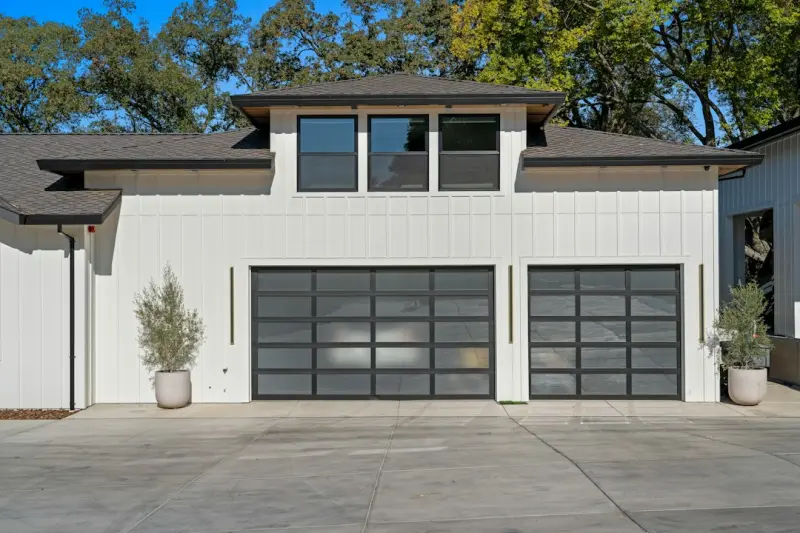
Reimagining the Garage Door: From Plain Barrier to Design‑Driven Asset
When I first started swapping out old carriage‑style doors for sleek modern panels, I thought I was just fixing a squeaky hinge. Little did I realize that the garage door could become the most influential element of a home’s curb appeal, energy performance, and even neighborhood identity. Over the past decade I’ve watched homeowners treat the garage door like a closet—something functional you hide away. Today, it’s time to flip that script.
Why the Garage Door Deserves a Spot in Your Design Conversation
Most renovation plans begin with kitchens, bathrooms, and living rooms. The garage, on the other hand, often lands at the bottom of the priority list. Yet the door is the single largest moving façade on a property. It frames the street view, controls the internal climate, and acts as a first line of defense against weather and intruders.
Think about the homes you admire when you drive through a suburb. Chances are, a striking garage door is part of the visual puzzle. A well‑chosen door can:
- Elevate curb appeal – A custom panel or bold color instantly differentiates a property.
- Boost resale value – Real estate data consistently shows a modest price bump for upgraded doors.
- Improve energy efficiency – Modern insulated doors keep heat where it belongs.
- Enhance security – Advanced locking mechanisms and reinforced sections deter break‑ins.
Choosing the Right Aesthetic: Materials, Colors, and Profiles
When I walk into a showroom, the first thing I ask myself is, “What story does this door tell?” The narrative you want to convey will guide the material and style selection.
Material Matters
Aluminum offers a lightweight, contemporary look with a range of finishes. It’s perfect for modern homes but can dent under impact, so consider reinforced cores if you have kids on bikes.
Steel remains the workhorse—durable, low maintenance, and available in virtually any design. A powder‑coat finish adds color depth and resists rust.
Wood delivers timeless warmth. For those who love the classic carriage‑house vibe, engineered wood or composite alternatives provide the same aesthetic with better moisture resistance.
Fiberglass blends the benefits of wood grain with the durability of metal. It’s an excellent choice for coastal areas where salt air can corrode metal.
Color Coordination
Don’t let your door clash with the home’s palette. A simple rule of thumb: pull one color from the house’s trim or front door and echo it on the garage door. If your home’s exterior is neutral, consider a bold pop—deep navy, forest green, or even a matte black.
Panel Profiles
From the sleek, horizontal lines of a “flush” design to the ornate arches of a “raised panel,” the profile sets the tone. I’ve seen a modern farmhouse transformed simply by swapping a flat panel for a raised one with decorative mullions.
Insulation: The Unsung Hero of Comfort and Savings
It’s easy to overlook the garage door when calculating a home’s heating and cooling load. In reality, an uninsulated door can account for up to 30% of heat loss in colder months. Upgrading to an R‑value 13 or higher insulated door can reduce your energy bills by 5‑10%—a noticeable difference for families that spend a lot of time in the garage workshop or home gym.
When I first installed an insulated door for a client who uses their garage as a yoga studio, the temperature stayed comfortable even on frigid mornings. The client reported a drop in furnace usage and a quieter space—no more whistling drafts.
Safety First: Reducing Risks for Families and Pets
Garage doors are heavy, powerful machines. Accidents happen when safety sensors are ignored or outdated. Here’s my quick safety checklist:
- Auto‑reverse sensors – Test them regularly; a simple piece of cardboard should trigger the door to stop and reverse.
- Force settings – Adjust the force limit so the door stops if it encounters resistance.
- Secure remote controls – Keep remotes out of children’s reach and consider a keypad with a personal code.
- Regular lubrication – A well‑lubed chain or belt reduces wear and the chance of sudden jerks.
For households with small children, I often recommend a “safety net” that attaches to the door’s bottom edge, preventing fingers from slipping into the gap.
Integrating the Door with Modern Lifestyle Touchpoints
Even if you’re not ready to dive into full smart‑home integration, there are low‑tech upgrades that enhance convenience. For example, a dedicated EV‑ready garage solution can be paired with a simple keypad entry, letting you open the door from your phone while the charger powers up.
And for those who love a little tech flair without the complexity, a battery‑backed wall‑mounted control panel offers one‑touch opening, a built‑in light, and a status indicator—all without needing a full home automation hub.
Maintenance: The Roadmap to Longevity
A garage door that’s cared for properly can outlive the house it protects. Here’s my 12‑month maintenance calendar:
- Quarterly visual inspection – Look for rust, cracked panels, or worn weatherstripping.
- Monthly sensor test – Place an object in the door’s path and confirm it reverses.
- Bi‑annual lubrication – Apply silicone spray to rollers, hinges, and tracks.
- Annual balance check – Disconnect the opener and manually lift the door; it should stay in place at any point.
- Yearly professional tune‑up – A certified technician can calibrate the opener, replace worn springs, and tighten hardware.
Skipping these steps can lead to noisy operation, premature wear, or even catastrophic spring failures. Trust me—one broken spring can cost a small fortune in labor and downtime.
Security Enhancements Without the Gadget Overload
While many homeowners chase the latest Wi‑Fi door opener, there’s a simple security upgrade that often gets overlooked: reinforced lock brackets. By swapping the standard latch for a hardened steel bracket, you add a physical barrier that resists forced entry.
Another low‑tech win is window film. If your door has glass inserts, a reflective film obscures the view from the outside while still letting light in. It’s a cost‑effective deterrent that doesn’t affect the door’s operation.
Case Study: From Drab to Fab – A Turnkey Transformation
Last spring I worked with a family who owned a mid‑century ranch. Their garage door was a faded, dented steel panel that clanged loudly every time it opened. The homeowner wanted a change that would:
- Increase curb appeal for an upcoming sale.
- Improve insulation for a workshop used year‑round.
- Boost security without adding a complicated smart system.
We selected a high‑R insulated steel door with a custom charcoal‑gray finish, a raised panel profile, and reinforced lock brackets. After installation, the house’s appraisal rose by 2.5%, the workshop temperature stayed stable, and the family reported feeling “safer” because the door no longer rattled in the wind.
In the after‑sale conversation, the new owners asked about the door’s tech possibilities. I directed them to a guide on turning garage doors into smart home hubs for future upgrades, showing how a solid foundation makes later tech additions smoother.
The Bottom Line: Treat the Door Like a Design Asset
If you’ve been treating your garage door as an afterthought, you’ve been missing out on a chance to enhance aesthetics, energy performance, safety, and resale value—all at a relatively modest cost. By selecting the right material, color, and insulation, performing regular maintenance, and adding a few targeted upgrades, you can transform the door from a simple barrier into a centerpiece of your home’s exterior.
Next time you’re planning a renovation, ask yourself: “What story does my garage door tell?” If the answer isn’t exciting, it’s time for a change.

Kelly Reynolds is a dynamic freelance writer hailing from the picturesque landscapes of Alberta. A master of the written word, she juggles her passion for storytelling with the exhilarating chaos of being a mother to five spirited children. With an impressive portfolio that spans various genres, Kelly captivates readers through her engaging blog posts and thought-provoking articles.
Related Posts
The Modern Garage Door: Smart, Sustainable, and Stylish
Explore the latest trends in garage doors—from smart connectivity and eco‑friendly materials to ... Read More

The Hidden ROI of Upgrading Your Garage Door: Value, Safety, and Lifestyle Boosts
Learn why a garage door upgrade is more than curb appeal—it saves energy, improves security, and r... Read More
Transforming Your Garage Door into a Smart, Sustainable Gateway
A garage door is more than a functional entry—it can be a design centerpiece, an energy‑saving b... Read More
Top Posts

Roof Health 2.0: How Drones and AI Are Transforming Building Resilience
Drones equipped with multispectral cameras and AI analytics are turning roofs into real‑time health platforms, offering predictive maintenance, solar‑shingl...Read More

Awning Alchemy: Turning Simple Shade into Smart Outdoor Experience
Explore the untapped potential of awnings as dynamic, intelligent systems that enhance outdoor comfort, integrate with smart perimeters, and even generate energ...Read More

Adaptive Waterproofing: Turning Barriers Into Living Defenses
Traditional waterproofing is static; adaptive waterproofing uses smart membranes with sensors and actuation layers to detect and respond to water in real time, ...Read More

Turning Rooms into Storytelling Canvases: The Art of Curating Personal Narrative Spaces
Learn to transform each room into a chapter of your life, using purposeful design choices, sustainable upgrades, and flexible furniture to craft a home that nar...Read More
0 Comments
Post Comment
You will need to Login or Register to comment on this post!