

When an Awning Becomes the Unsung Hero of Outdoor Experience
It’s funny how we tend to overlook the humble awning. While we gush over smart doors, radiant floors, or drone‑assisted inspections, the modest shade‑slinger perched above a patio or storefront rarely gets a standing ovation. I’ve spent the last decade coaxing architecture to dance with technology, and one truth has emerged: the awning, when treated as a design protagonist rather than an afterthought, can reshape how we work, socialize, and even generate energy outdoors.
From Mere Shelter to Adaptive Skin
Picture a Saturday afternoon on a bustling café terrace. The sun is relentless, the wind fickle, and patrons shift between laughing over lattes and seeking refuge from a sudden drizzle. A conventional awning would simply be a static canvas—good enough to block the sun but oblivious to the changing conditions. Now imagine an awning that senses the temperature, wind speed, and even the crowd density, then subtly adjusts its tension, opacity, and angle to optimize comfort. That’s the future I’m championing: an adaptive awning skin.
At its core, this concept marries three pillars:
- Responsive Materials: Fabric infused with shape‑memory polymers that curl or flatten in response to temperature gradients.
- Embedded Sensors: Miniature weather stations that feed real‑time data into a localized control hub.
- Intelligent Algorithms: Simple rule‑sets that decide when to deploy, retract, or change translucency based on occupant preferences.
The result is a dynamic envelope that behaves like a living organism—expanding when the sun beats down, contracting when a breeze rolls in, and even dimming its hue for evening ambiance.
Why This Matters for Businesses and Homeowners Alike
For a café owner, an adaptive awning can translate into longer seating hours. When the shade automatically expands during heat spikes, guests stay cooler, order more iced drinks, and linger longer. Conversely, during a sudden rain shower, the awning can seal tighter, preventing water from seeping into the seating area—protecting both the furniture and the customers’ mood.
Homeowners, too, stand to gain. Imagine a backyard awning that opens just enough to let a gentle breeze pass while blocking the harshest sun rays. It becomes a passive climate‑control system, reducing the need for portable fans or extra AC blast in the early evenings. Over a year, that modest energy savings can add up, especially in regions where cooling costs are a significant part of the utility bill.
Designing With Biophilic Intent
Integrating an adaptive awning into a space isn’t merely about tech; it’s also about feeling. My favorite projects always whisper the language of nature back to the occupants. By aligning the awning’s movement with natural rhythms—opening wider at sunrise, gently folding at dusk—we invite people to sync with daylight cycles, a core tenet of biophilic design. The visual cue of a slowly unfurling fabric mimics the opening of a flower, fostering a subconscious sense of well‑being.
Materials play a pivotal role here. Sustainable bamboo‑woven textiles, recycled polyester blends, or even reclaimed canvas from historic storefronts can be treated with UV‑resistant coatings, ensuring durability while honoring circular principles. This approach also dovetails with the growing demand for low‑impact construction—an aesthetic choice that feels good and does good.
Integrating with the Smart Perimeter
While awnings traditionally guard the front of a space, they can also become part of a broader smart perimeter strategy. By linking awning sensors with fence‑mounted cameras or motion detectors, a property can orchestrate a unified response: when a visitor approaches, the awning can extend automatically, creating a welcoming canopy while the fence system verifies the guest’s identity.
This synergy yields two practical benefits:
- Security Enhancement: An unexpected movement—like an awning snapping shut during a storm—triggers alerts, prompting a quick check on the perimeter.
- Energy Efficiency: If a sensor detects that the space is unoccupied for a set period, the awning can retract, allowing sunlight to warm the interior passively, reducing heating loads.
Material Choices: From Vintage Charm to High‑Tech Performance
Choosing the right fabric is a balancing act between aesthetics, durability, and functionality. Below are three categories that have impressed me in recent projects:
- Recycled Aluminum Mesh: Light, wind‑permeable, and reflective. Ideal for modern storefronts that desire a sleek, industrial look while still offering sun protection.
- Organic Hemp Canvas: Naturally breathable and biodegradable. When treated with bio‑based water repellents, it resists rain without sacrificing the tactile warmth that many homeowners love.
- Electrochromic Laminates: Cutting‑edge tech that shifts from clear to tinted with a low voltage. This can be paired with solar‑powered micro‑inverters, turning the awning into a miniature power generator while also regulating glare.
Each material can be customized with printed patterns, heritage motifs, or even QR codes that link visitors to a digital menu or promotional video—blending the physical with the digital.
Maintenance Made Simple (Because Nobody Has Time for Constant Upkeep)
One of the biggest adoption hurdles for any new building element is the perceived maintenance burden. Adaptive awnings address this through self‑diagnosing firmware. The embedded sensors continuously monitor tension, motor health, and fabric integrity. If a motor begins to lag, the system logs the anomaly and sends a notification to the property manager’s phone, suggesting a scheduled service before a failure occurs.
Moreover, the fabrics are treated with antimicrobial finishes, reducing the need for frequent cleaning. In humid climates, a quick rinse with a low‑pressure hose is sufficient; the coatings repel mold and mildew, extending the lifespan of the material.
Case Study: A Boutique Bookstore’s Seasonal Transformation
Last winter, I consulted for a downtown independent bookstore that wanted to boost foot traffic during the colder months without sacrificing its cozy aesthetic. We installed an adaptive awning featuring a lightweight, insulated fabric with a subtle, wood‑grain pattern. The awning’s control system was programmed to:
- Deploy fully during daylight to create a welcoming “glow” that drew passersby in.
- Partially retract on milder days to allow natural ventilation, keeping the interior from feeling stale.
- Integrate with a motion sensor at the entrance, so when a customer approached, a soft ambient light illuminated the awning’s edges, creating an inviting visual cue.
Within three months, the store reported a 15% increase in average dwell time and a noticeable uptick in impulse purchases of coffee and stationery. The owner also appreciated the reduced heating bills; the insulated awning helped retain warmth, allowing the thermostat to stay a few degrees lower without compromising comfort.
Future Possibilities: Energy Harvesting and Data Analytics
While my focus here is on comfort and experience, the next logical step is to embed thin‑film photovoltaic cells within the awning’s fabric. Imagine an outdoor seating area that powers its own LED string lights and perhaps even contributes surplus energy back to the grid. Paired with data analytics, property owners could track how often the awning is deployed, correlating that with energy savings or guest satisfaction scores.
Such granular insight would empower owners to make evidence‑based decisions—like adjusting the awning’s schedule to match peak foot traffic or fine‑tuning the opacity settings based on seasonal sunlight patterns.
Getting Started: A Practical Checklist
If you’re intrigued by the idea of turning a simple awning into a dynamic, intelligent asset, here’s a quick roadmap:
- Assess Your Needs: Are you prioritizing climate control, aesthetic appeal, or energy generation? Your primary goal will dictate material and tech choices.
- Choose the Right Fabric: Balance visual identity with performance—recycled aluminum for modern looks, hemp for rustic charm, or electrochromic laminates for tech‑savvy spaces.
- Plan Sensor Integration: Determine which environmental data points matter most—temperature, wind speed, occupancy—and select compatible sensors.
- Define Control Logic: Simple rule‑based automation works well for most scenarios, but consider a machine‑learning model if you have complex occupancy patterns.
- Consider Power Sources: For motor actuation, a low‑voltage DC supply is sufficient. If adding photovoltaics, ensure the inverter can handle the output.
- Establish Maintenance Protocols: Schedule periodic firmware updates and visual inspections to keep the system humming.
- Measure Impact: Use analytics dashboards to track energy savings, comfort metrics, and any increase in foot traffic or dwell time.
Following these steps, you’ll transform a passive shade solution into an active participant in your building’s ecosystem.
Conclusion: Let the Awning Lead the Way
The awning has long been relegated to the background—a functional, often overlooked element. By infusing it with responsive materials, smart sensing, and thoughtful design, we can elevate it to a centerpiece that nurtures comfort, drives sustainability, and enriches the user experience. Whether you’re a café owner looking to keep patrons cozy, a homeowner craving a more pleasant backyard, or a retailer aiming to capture more foot traffic, the adaptive awning is a modest investment with outsized returns.
So next time you glance at that canvas of fabric above your patio, imagine the possibilities—not just as a shade, but as a living, breathing part of your space. After all, the best design solutions are the ones that disappear into the background while silently doing the heavy lifting.

When it comes to the world of blogging and writing, Rose DesRochers is a name that stands out. Her passion for creating quality content and connecting with her audience has made her a trusted voice in the industry. Aside from her skills as a writer and blogger, Rose is also known for her compassionate nature.
Related Posts
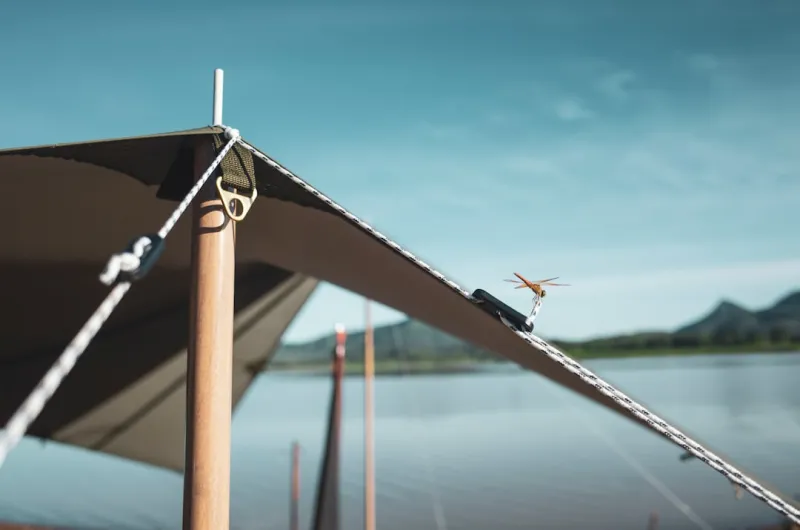
The Sustainable Awning Revolution: A Game-Changer for Eco-Friendly Homes
The sustainable awning revolution is a game-changer for eco-friendly homes. Learn about the environm... Read More
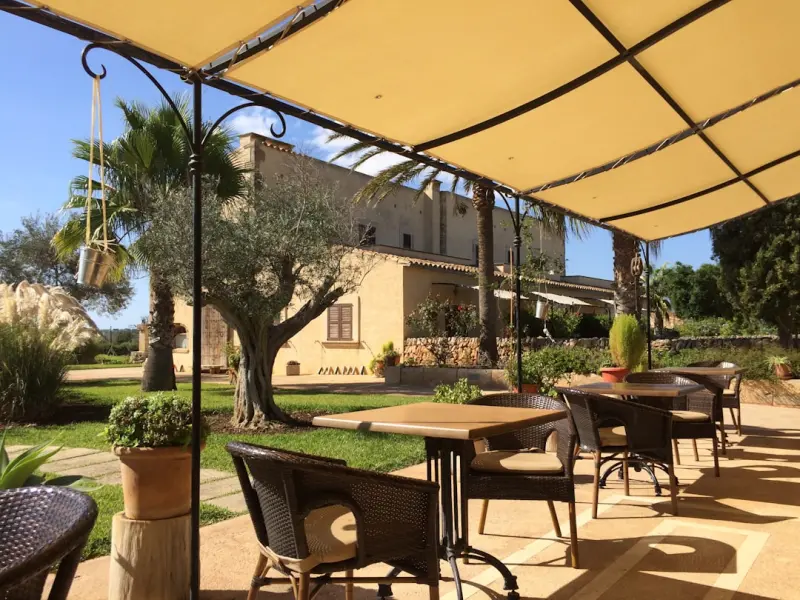
Beyond Shade: How Smart Awnings Elevate the Modern Workplace
A fresh look at awnings reveals they can be smart, data‑driven tools that lower energy bills, impr... Read More

Breathing New Life into Your Outdoor Space: The Transformative Power of Awnings
Awnings can transform your outdoor space into a haven of comfort and style. Learn about the benefits... Read More
Top Posts
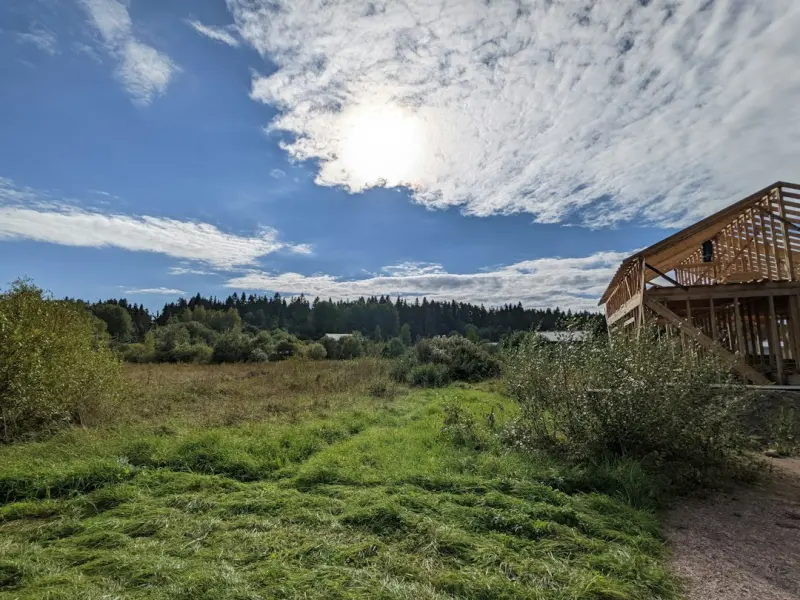
Bringing the Outdoors In: Biophilic Home Construction for Modern Living
This article dives into biophilic home construction, outlining scientific benefits, core design pillars, material choices, smart integrations, and real‑world ...Read More
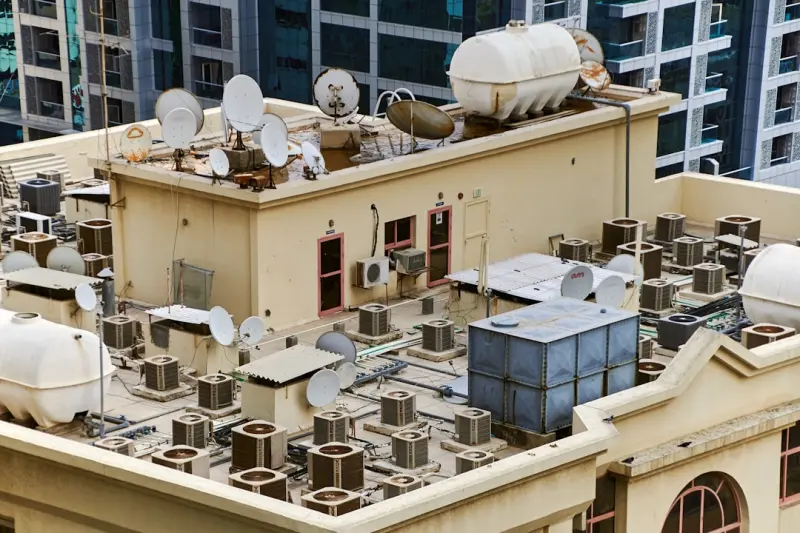
From Shingles to Data Hubs: Reimagining Roofs for the Modern Facility
Explore a fresh perspective on roofing that treats the roof as an intelligent platform, leveraging drones, sensors, and integrated solar to transform a passive ...Read More
Design‑Build Micro‑Workspaces for Agile Offices
This article outlines a fresh design‑build strategy that uses modular pods, embedded IoT, and agile delivery to turn traditional offices into flexible microâ€...Read More

Seasonal Weather‑Proofing: A Homeowner’s DIY Playbook for Year‑Round Resilience
A practical, seasonal guide shows how to seal, drain, and fortify your home against weather threats, using smart tools and simple DIY steps for lasting protecti...Read More
0 Comments
Post Comment
You will need to Login or Register to comment on this post!