
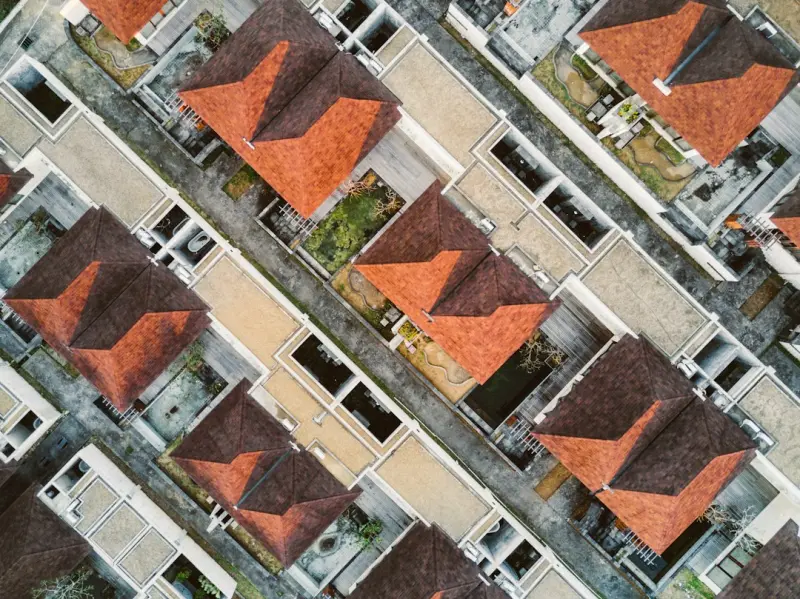
Why Your Roof Needs a Health Check‑Up—And How Drones Are the New Roof‑Docs
When I first stepped onto a commercial roof for a client in downtown Phoenix, I felt like I was on a remote‑control battlefield. The heat shimmered, the membrane was a patchwork of old repairs, and the only thing I could see clearly was a faint line of moss creeping toward the drainage valleys. It hit me then: roofs, like any other critical system, need regular diagnostics. But unlike HVAC or plumbing, most building owners still treat roofs as “set it and forget it.” That mindset is changing, and the catalyst is high‑altitude, AI‑powered drones.
The Data Gap in Traditional Roofing Practices
Historically, roof inspections have been a manual, labor‑intensive process. A technician climbs, takes photos, notes any cracks, and hands over a PDF report that reads like a mystery novel. The problem? Those snapshots capture a moment in time, not a trend. Without continuous data, you can’t predict when a minor seam will become a major leak, or how climate‑driven temperature swings are stressing the membrane.
Enter the age of data‑centric facilities management. Just as embedded sensors in concrete are turning slabs into living dashboards, drones equipped with multispectral cameras and AI analytics are turning roofs into real‑time health platforms.
How Drone‑Based Roof Audits Work
- Pre‑flight planning: A GIS map of the building is uploaded, and the drone’s flight path is plotted to cover every square foot, including hard‑to‑reach valleys and parapets.
- Multispectral imaging: Beyond the visible spectrum, infrared sensors detect moisture pockets, while thermal imaging spots heat loss through compromised insulation.
- AI pattern recognition: Trained algorithms flag anomalies—such as blistering, granule loss on shingles, or early‑stage ponding—by comparing new data against a historical baseline.
- Instant reporting: Within minutes, building owners receive an interactive dashboard that ranks issues by severity, projected lifespan, and recommended remediation cost.
Beyond Detection: Predictive Maintenance and ROI
The real power of drone inspections lies in predictive maintenance. By feeding weekly or monthly scans into a machine‑learning model, the system learns the degradation curve of your specific roof assembly. That means you can schedule a membrane replacement months before a leak would cause water damage, saving you from emergency repairs, insurance claims, and tenant disruptions.
Consider a 200,000‑square‑foot warehouse with a flat EPDM roof. Traditional inspections cost $3,000 per visit and occur twice a year. A drone program, after the initial hardware and software setup, runs at roughly $800 per flight, delivering six data points a year. The ROI shows up in reduced downtime, lower labor costs, and extended roof life—often adding 3‑5 years to the original warranty period.
Solar Shingles: Merging Energy Generation with Roof Intelligence
While solar panels have been a staple on commercial rooftops for a decade, a newer generation of photovoltaic (PV) shingles is reshaping the narrative. These sleek, tile‑like modules double as roof covering and power source, blending aesthetics with performance. When combined with drone‑derived health metrics, building managers can now balance energy production with structural integrity.
Imagine a dashboard that not only shows you that a section of your roof is losing efficiency due to soiling but also correlates that loss with a minor membrane breach detected a few weeks earlier. The system can recommend a targeted cleaning or a localized repair, preserving both the roof’s lifespan and the solar output.
Climate Resilience: Adapting Roofs to Extreme Weather
Climate change isn’t a future scenario; it’s a present reality. In many regions, roofs face more intense UV exposure, higher temperature differentials, and unprecedented storm intensity. Traditional roofing materials are being stress‑tested beyond their original design specifications.
Data from drone inspections helps engineers select adaptive roofing solutions—such as reflective cool‑roof coatings, elastomeric membranes with enhanced tear resistance, or even modular “roof panels” that can be swapped out after a severe event. By aligning material choice with real‑world performance data, you’re not just reacting to climate events—you’re proactively building resilience.
Integrating Drones into Existing Facility Management Workflows
For many property managers, the idea of adding drones to their tech stack feels daunting. The key is integration, not replacement. Here’s a practical rollout plan:
- Start with a pilot: Choose a single building with a known roof issue to demonstrate the technology’s value.
- Partner with a certified drone service: Ensure they comply with FAA regulations and have experience in commercial roofing.
- Connect to your CMMS: Feed inspection data directly into your Computerized Maintenance Management System for automated work orders.
- Train in‑house staff: Teach facilities teams how to interpret the AI dashboards and prioritize actions.
Once the pilot proves its cost‑savings, scaling across a portfolio becomes a matter of replicating the workflow and fine‑tuning the AI models for different roof types.
Case Study: Turning a Roof into a Strategic Asset
One of my recent projects involved a 150‑acre logistics hub that had been wrestling with chronic roof leaks on its loading docks. The client had previously spent $120,000 on emergency patch‑ups over three years. We introduced a quarterly drone inspection program, paired with a solar‑shingle retrofit on 30% of the roof surface.
The AI flagged a pattern of early‑stage membrane delamination that correlated with a specific drainage slope. By re‑grading that area and applying a high‑performance coating, we eliminated water ingress. Simultaneously, the solar shingles generated an additional 250 kWh per day, offsetting roughly $3,500 in electricity costs each month. Within 18 months, the client saved $85,000 in repair costs and earned $63,000 in energy savings—a net positive impact that turned the roof from a liability into a profit center.
Future Trends: From Inspection to Autonomous Repair
The next frontier isn’t just seeing the problem; it’s fixing it without human intervention. Researchers are experimenting with drone‑mounted robotic arms capable of applying sealants or even swapping out damaged shingles. While still in prototype stages, this vision aligns with the broader trend of smart awning solutions that autonomously adjust to environmental conditions.
When autonomous repair becomes mainstream, the ROI timeline for drone inspections will shrink dramatically. The moment you can dispatch a drone, identify a defect, and have another drone or ground robot execute the fix—all in a single workflow—you’ll achieve near‑zero downtime for your roofing system.
Practical Tips for Choosing the Right Drone Solution
Not all drones are created equal. Here are three criteria to keep in mind:
- Sensor Suite: Look for multispectral, thermal, and high‑resolution RGB cameras. The more data types you collect, the richer your analysis.
- AI Integration: Choose a platform that offers built‑in machine‑learning models for roofing, or one that allows you to train custom models on your data.
- Regulatory Support: A provider that handles flight permissions and compliance will save you headaches.
Finally, remember that technology is only as good as the people interpreting it. Pair your drone data with a skilled roofing consultant—someone who understands both the material science and the operational constraints of your facility.
Conclusion: The Roof Is No Longer a Passive Cover
In the era of smart buildings, the roof is stepping out of the shadows and onto the data stage. With drones delivering granular, real‑time insights and AI turning those insights into actionable forecasts, property owners can finally treat their roofs as strategic assets rather than inevitable expenses. Whether you’re looking to extend roof life, boost renewable energy generation, or fortify against climate extremes, the sky isn’t the limit—it’s the new inspection platform.

Kelly Reynolds is a dynamic freelance writer hailing from the picturesque landscapes of Alberta. A master of the written word, she juggles her passion for storytelling with the exhilarating chaos of being a mother to five spirited children. With an impressive portfolio that spans various genres, Kelly captivates readers through her engaging blog posts and thought-provoking articles.
Related Posts
When Your Roof Becomes a Storytelling Canvas: Design, Sustainability & Personal Flair
Explore the art of roofing beyond protection—learn to blend color, eco‑friendly materials, and t... Read More
Why Your Roof Is the Secret Weapon for Boosting Home Value
A roof isn’t just protection—it’s a powerful value‑adder. Learn the materials, design tricks... Read More
Strategic Roofing: Turning Your Roof Into a Business Asset
A roof can do more than keep water out. Learn how strategic material choices, integrated technology,... Read More
Top Posts
Data‑Driven Snow Removal: Turning Winter Chaos into Predictable Performance
Snow removal is evolving from a reactive chore to a data‑driven operation. Discover how sensors, real‑time forecasts, and automated systems can make winter ...Read More

Beyond Sight: Crafting Sensory‑Rich Interiors for Brand Impact
Explore a holistic approach to interior design that engages all five senses, aligning visual, auditory, olfactory, tactile, and gustatory cues with brand storyt...Read More
Hybrid Heat Pumps: The Smart Path to Year‑Round Comfort and Savings
Explore the rise of hybrid heat pumps, their efficiency, zoning benefits, and how they improve indoor air quality while delivering significant cost savings....Read More
Zone‑Crafting at Home: Light, Sound, and Layout Hacks for a More Functional Space
Learn how to transform everyday rooms into purposeful zones with simple lighting, sound, and furniture tricks, plus budget‑friendly upgrades and maintenance a...Read More
0 Comments
Post Comment
You will need to Login or Register to comment on this post!