
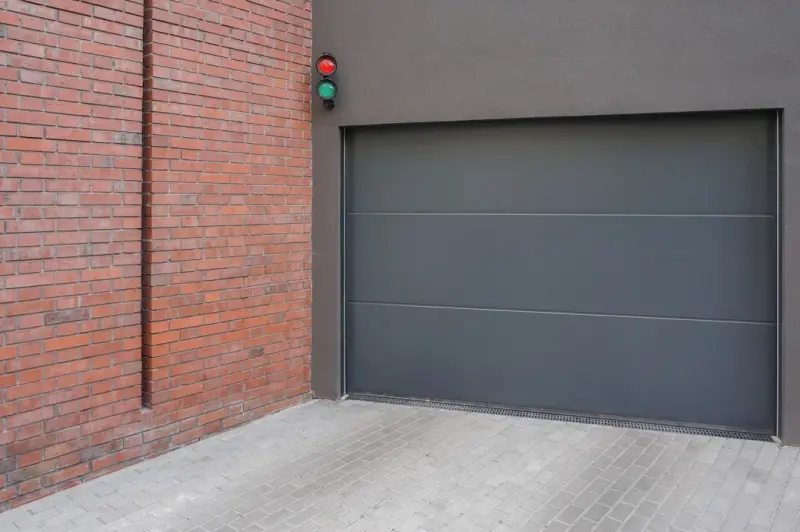
Why Your Garage Door Deserves a Design‑First Upgrade
When most homeowners think about curb appeal, the first things that come to mind are fresh paint, a new front door, or landscaped pathways. The garage door, however, is often the unsung hero—or villain—of a house’s façade. It’s the largest single piece of material on the exterior, yet it rarely gets the strategic attention it warrants. As someone who has spent countless weekends tinkering in the garage, I’ve learned that a thoughtfully upgraded garage door can do more than just open and close; it can become a smart, energy‑conscious, and aesthetically powerful gateway to your home.
From Functional Box to Architectural Statement
Traditional garage doors were designed with a single goal: durability. Steel panels, basic insulation, and a simple spring mechanism were enough to keep cars safe from the elements. But today’s homeowners demand more. They want a door that complements their architectural style, reduces energy loss, and integrates seamlessly with the digital ecosystem of the modern home.
Consider these three dimensions that transform a plain garage door into a statement piece:
- Visual Harmony: Match the door’s color, finish, and panel layout to the rest of the house. Think of the garage door as a large canvas that can echo the textures of the siding, the rhythm of the windows, or even the boldness of a modern facade.
- Performance Upgrade: Modern insulation materials, advanced sealing systems, and aerodynamic panel designs can slash heat transfer by up to 30 %—a meaningful contribution to your home’s overall energy profile.
- Digital Integration: From smartphone‑controlled openers to voice‑activated routines, a connected garage door can become a command hub for home automation, security, and even electric‑vehicle (EV) charging workflows.
Smart Integration Without Over‑Engineering
Automation hype can be overwhelming. You don’t need a fully fledged AI platform to reap the benefits of a connected garage door. Start small, and let the system grow with you:
- Wi‑Fi Enabled Opener: Replace the legacy pull‑chain opener with a Wi‑Fi model that offers mobile app control, scheduled opening times, and real‑time status alerts.
- Geofencing: Pair the opener with your smartphone’s GPS. The door will automatically raise as you approach and close once you’ve parked, eliminating the “forgot‑to‑close” anxiety.
- Secure Guest Access: Generate temporary, time‑limited digital keys for delivery drivers, contractors, or neighbors. No more jangling keys or scrambling for a spare.
These upgrades don’t require a data scientist on staff, yet they bring the convenience of a connected home to a space that traditionally lived in the analog realm.
Energy Efficiency: The Hidden Savings in Your Garage Door
Many homeowners underestimate how much heat or cold can leak through a garage door. The garage often acts as a thermal buffer between the outdoors and the living spaces above or adjacent to it. If the door is poorly insulated, you’re effectively inviting drafts into your hallway, utility room, or even the bedroom that shares a wall with the garage.
Here are practical steps to boost the door’s thermal performance without a full replacement:
- Upgrade Insulation: Replace old polystyrene cores with high‑density polyurethane panels. They offer a higher R‑value per inch, meaning better resistance to heat flow.
- Seal the Perimeter: Install weatherstripping along the bottom edge and the jambs. A tight seal prevents wind‑driven rain and reduces air infiltration.
- Reflective Coatings: Apply a low‑emissivity (low‑E) film to the door’s exterior. This thin metallic layer reflects solar heat in summer while retaining interior warmth during colder months.
These tweaks echo the philosophy of Micro‑Scale Weatherproofing, where minor adjustments deliver outsized protection against the elements.
Designing for Durability and Low Maintenance
Choosing the right material is crucial. While steel remains a popular choice for its strength, it’s also prone to dents and rust if not properly treated. Aluminum offers a lighter alternative but can flex under heavy use. Fiberglass panels provide a sleek, wood‑grain look without the upkeep of real timber, but they may yellow over decades of sun exposure.
My recommendation? Hybrid doors that combine a steel frame with composite panels. The steel skeleton offers structural integrity, while the composite skins can be textured to mimic wood, stone, or even modern matte finishes. The result is a door that looks premium, resists weathering, and requires minimal repainting.
Safety Beyond Sensors: Human‑Centric Features
Smart garage doors often tout “obstacle detection” as their main safety claim. While that’s valuable, there are other human‑centric aspects worth considering:
- Soft‑Close Mechanics: A controlled deceleration prevents the door from slamming, reducing wear on the motor and minimizing noise—benefits that extend beyond safety.
- Visual Indicators: LED strips along the bottom edge light up when the door is in motion, providing a clear visual cue for anyone nearby, especially in low‑light conditions.
- Manual Override Visibility: An intuitive, brightly colored pull‑cord or handle that’s easy to locate in case of a power outage.
These details reflect a design mindset that puts people first, rather than relying solely on reactive sensor technology.
Integrating the Garage Door with EV Charging
As electric vehicles become mainstream, the garage evolves from a mere storage space into an energy hub. A forward‑thinking garage door can facilitate this transition:
- Dedicated Power Feed: Run a 240‑V line to the interior wall adjacent to the door, keeping the cable concealed behind a sealed conduit that passes through the door’s frame.
- Smart Load Management: Connect the charger to a home energy management system that balances grid consumption, solar generation, and battery storage.
- Integrated Access Control: Use the same digital key you grant to a delivery driver to allow an authorized EV to charge, ensuring that only permitted vehicles draw power.
This synergy eliminates the need for additional wiring runs and makes the garage a seamless extension of your home’s renewable energy strategy.
Creating a Visual Narrative with Door Hardware
The hardware—handles, hinges, decorative rollers—offers an opportunity to inject personality. Choose finishes that echo other elements of your home:
- Brushed Brass: Complements warm wood interiors and adds a touch of classic elegance.
- Matte Black: Pairs well with modern, minimalist exteriors and provides a subtle contrast against lighter panels.
- Industrial Iron: Ideal for loft‑style homes that celebrate raw materials and exposed mechanics.
Even small choices, like a patterned window grille or a custom logo etched into the glass, can transform a functional portal into a brand statement for your household.
Maintenance Made Easy: A DIY Checklist
Even the most high‑tech door benefits from regular care. Here’s a concise, hands‑on schedule you can follow without needing a professional every month:
- Quarterly Visual Inspection: Look for dents, rust spots, or loose hardware. Tighten any bolts that have loosened.
- Lubricate Moving Parts: Apply a silicone‑based spray to hinges, rollers, and the opener’s chain or belt. Avoid petroleum products, which can degrade plastic components.
- Test Safety Reversal: Place a solid object (like a wooden block) on the floor under the door and engage the opener. The door should reverse direction upon contact.
- Check Weatherstripping: Ensure the seal remains pliable and free of tears. Replace any compromised sections to maintain energy efficiency.
- Software Updates: If your opener has firmware, check the manufacturer’s app for updates that improve security or add features.
For a deeper dive into essential tools and supplies, refer to The Ultimate DIY Home Repair Kit. Having the right equipment on hand turns routine maintenance into a quick, confidence‑boosting task.
Future‑Proofing: Preparing for the Next Decade
Technology moves fast, but a well‑chosen garage door can stay relevant for years. Here’s how to future‑proof your investment:
- Modular Panel System: Opt for doors with interchangeable panels. When trends shift, you can swap out a section rather than replace the entire door.
- Open Architecture: Choose open‑protocol devices (like those supporting Zigbee or Matter) to ensure compatibility with emerging smart‑home ecosystems.
- Scalable Power Capacity: Install conduit pathways that can accommodate higher‑amp circuits, preparing the garage for future high‑power tools or additional EV chargers.
By thinking ahead, you avoid the costly “replace‑and‑re‑install” cycle that many homeowners fall into when their garage door becomes an afterthought.
Conclusion: The Garage Door as a Strategic Asset
It’s easy to overlook the garage door as a mere utility component. Yet, when you evaluate it through the lenses of design, energy performance, smart integration, and human‑centred safety, it emerges as a strategic asset that can elevate your home’s value, comfort, and sustainability. Whether you’re renovating an older home or planning a new build, consider the garage door early in the design process. Treat it as you would a front door: a focal point that welcomes you, protects you, and reflects the personality of the space inside.

Lifan Chen is a freelancer based in Toronto specializing in marketing. With expertise in crafting effective marketing strategies and campaigns, Lifan helps businesses grow their brand presence and reach target audiences. As a Toronto-based freelancer, Lifan combines local market insights with creative marketing skills to deliver tailored solutions for clients.
Related Posts
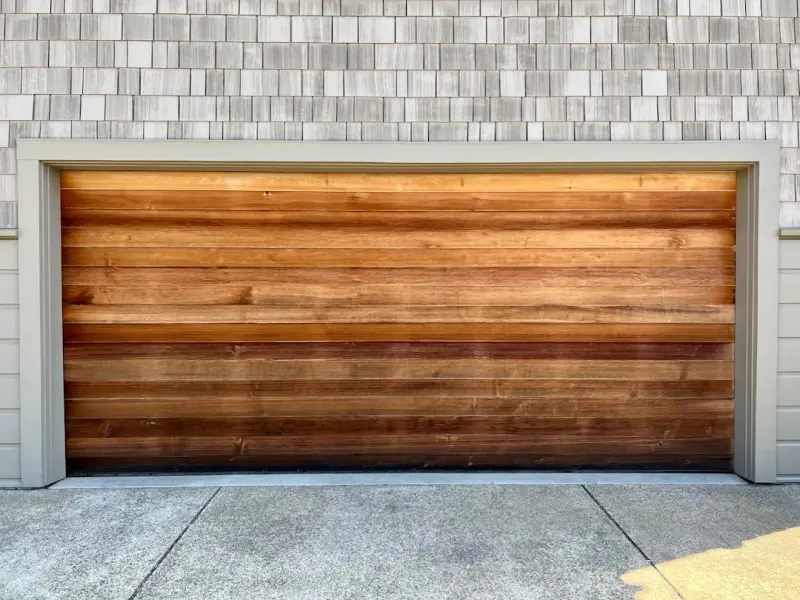
Elevating the Garage Door: Smart, Sustainable, and Strategic Upgrades
A garage door is more than a functional entry; it’s a first‑impression powerhouse. Learn how sma... Read More

The Sustainable Garage Door Revolution: How Eco-Friendly Designs Are Changing the Game
Sustainable garage doors are revolutionizing home design and energy efficiency. Learn about the late... Read More

Garage Door Health Monitoring: Turning a Forgotten Fixture into a Data‑Driven Asset
Garage doors are often overlooked, but with affordable IoT sensors you can monitor vibration, curren... Read More
Top Posts

Winter’s Secret Weapon: Turning Snow Removal into a Sustainable, Community‑Driven Routine
Discover a fresh, sustainable approach to snow removal that blends clever tools, eco‑friendly de‑icing, tech aids, and neighborly teamwork for a smoother, s...Read More

Turning Your Backyard into a Low‑Maintenance Pollinator Haven
A practical guide to designing a thriving pollinator-friendly garden that looks great year‑round while staying easy on time and resources....Read More

Reimagining Sunrooms as Agile Innovation Hubs
Sunrooms can become strategic assets when paired with smart glazing, acoustic windows, data‑driven flooring, and flexible design, delivering measurable gains ...Read More

The Evolution of Home Security: How Modern Alarm Systems Are Changing the Game
Home security has come a long way in recent years. Learn about the evolution of home alarm systems, their benefits, and what you need to know to protect your ho...Read More
0 Comments
Post Comment
You will need to Login or Register to comment on this post!