
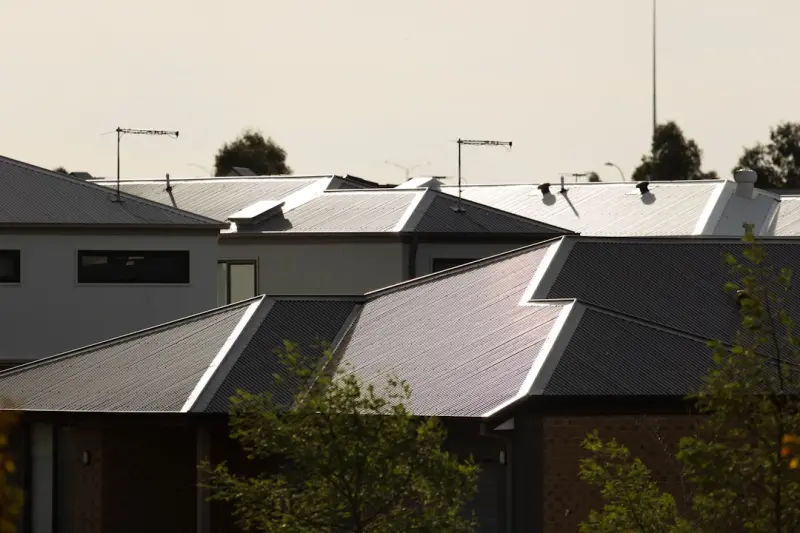
Rethinking Roofs: From Passive Shield to Active Asset
When I first stepped onto a construction site, the roof was the silent guardian—nothing more than a protective layer that kept the rain out and the heat in. Years later, after countless conversations with architects, facilities managers, and data scientists, I’ve come to see the roof as a dynamic platform that can generate value, mitigate risk, and communicate health in real time. This isn’t about slapping solar panels on a slab and calling it a day (that story has already been told). It’s about embedding intelligence, embracing climate‑smart design, and treating the roof as a living part of the building’s ecosystem.
The Data Layer Hidden Above
Modern buildings already talk to us: thermostats adjust temperature, lighting systems dim with occupancy, and HVAC rigs report performance metrics. The roof, however, has been the quiet participant—until now. By installing digital twins of roof assemblies, owners can simulate wind loads, thermal expansion, and moisture migration before a single shingle is lifted. These virtual twins ingest sensor data from strain gauges, temperature probes, and acoustic emission microphones, feeding a continuous feedback loop that predicts when a membrane will blister or when a fastener is loosening.
Imagine a property manager receiving a notification on their phone: “Your west‑facing membrane shows a 12% increase in temperature variance—schedule an inspection within 48 hours.” The insight comes not from a yearly visual check but from an algorithm that has learned the roof’s normal behavior over months of data collection. The result? Proactive maintenance that prevents costly water ingress, reduces emergency repairs, and extends the roof’s service life by up to 30 %.
Integrating Green Roofs without Going Solar
Green roofs have been championed for their storm‑water retention and urban heat‑island mitigation. Yet many projects treat them as a decorative afterthought, adding a thin layer of sedum without considering the structural implications. A truly integrated green roof starts with a load‑aware design that accounts for the weight of substrate, plants, and water saturation. Engineers now use smart plumbing principles to manage irrigation: sensors read soil moisture, weather forecasts, and evapotranspiration rates, then automatically modulate drip lines or misting systems.
The payoff is two‑fold. First, the roof becomes a water‑wise asset, capturing rain that would otherwise burden municipal sewers. Second, the vegetation acts as a natural insulator, reducing cooling loads in summer and heating demands in winter. When paired with high‑reflectivity underlays, the combined effect can slash a building’s energy consumption by 15‑20 % while delivering biodiversity benefits that city planners love.
Rainwater Harvesting: The Roof’s Forgotten Gift
Every drop that lands on a roof is an opportunity—if you have the infrastructure to catch it. Traditional rainwater harvesting systems are clunky, expensive, and often dismissed as “for homes.” In commercial settings, the scale changes the equation dramatically. By integrating modular collection tanks into the roof’s structural grid, facilities can store enough water to irrigate green roofs, flush toilets, or even feed industrial cooling towers.
Key to this approach is a smart control layer. Using real‑time weather APIs, the system can predict the next storm, pre‑emptively diverting water to storage before the first raindrop hits the gutter. During dry spells, it can release stored water to maintain plant health on a green roof, avoiding the need for potable water. The result is a closed‑loop system that not only reduces operating costs but also earns sustainability credits under many green‑building rating schemes.
Cool Roofs Meet Adaptive Coatings
Cool roofing isn’t new—high‑albedo paints have been around for decades. What IS new is the emergence of adaptive coatings that shift their reflectivity based on temperature or solar intensity. These nanostructured materials can reflect up to 90 % of infrared radiation on scorching days, then allow more heat absorption when ambient temperatures dip, creating a passive thermal regulation system that works year‑round.
When combined with the data layer described earlier, adaptive coatings become even smarter. Sensors can monitor surface temperature and trigger a micro‑actuator that adjusts the coating’s optical properties in real time. This dynamic response reduces reliance on mechanical HVAC, cutting both energy bills and carbon footprints.
Fire‑Resistant Roofing: A Proactive Defense
Wildfire risk is no longer a peripheral concern; it’s a central design driver for many regions. Traditional asphalt shingles melt at relatively low temperatures, turning rooftops into tinderboxes. Emerging fire‑resistant membranes—made from ceramic fibers, basalt, and intumescent polymers—offer a dramatic boost in performance. They expand when exposed to heat, forming a protective char layer that insulates underlying layers.
But technology doesn’t stop at material selection. By integrating connected fencing concepts, perimeter detection systems can alert building occupants when a fire front approaches within a predefined radius. Coupled with roof‑mounted fire‑suppression drones, the building can automatically deploy water or fire‑retardant foam onto vulnerable sections before the flames even make contact.
Design for Deconstruction: Future‑Proofing the Roof
Buildings are no longer expected to last a single lifetime. The rise of circular construction demands that we design for disassembly, and the roof is the most challenging component to recycle. Conventional roofing systems are glued, nailed, or sealed in ways that make material recovery labor‑intensive. A forward‑thinking approach uses mechanical fastening systems—think snap‑locks and magnetic panels—that allow entire roof sections to be lifted, sorted, and re‑used with minimal waste.
Beyond the environmental benefit, this modularity opens up a new business model: “Roof as a Service.” Property owners can lease pre‑fabricated roof panels that are upgraded or replaced on a subscription basis, ensuring the building always has the latest performance specifications without massive capital outlay.
Economic Incentives and Policy Landscape
Governments worldwide are rolling out incentives to accelerate the adoption of resilient, data‑driven roofing. Tax credits for cool roof installations, rebates for rainwater harvesting systems, and low‑interest loans for fire‑resistant upgrades are becoming commonplace. When evaluating a roof retrofit, it’s essential to map out these programs early—often the financial upside can offset 50‑70 % of the upfront cost.
Moreover, many municipalities are updating building codes to require roof performance monitoring in high‑risk zones. This regulatory shift means that the data infrastructure we discussed isn’t a luxury; it’s becoming a compliance necessity. Early adopters will not only avoid penalties but also position themselves as market leaders in sustainability and safety.
Putting It All Together: A Blueprint for the Next‑Gen Roof
To summarize, the roof of tomorrow is:
- Sensor‑rich: strain gauges, temperature probes, acoustic emitters feeding a digital twin.
- Green‑integrated: modular green roof systems with smart irrigation and rainwater capture.
- Thermally Adaptive: coatings that shift reflectivity in response to ambient conditions.
- Fire‑Smart: intumescent membranes plus perimeter detection and drone‑based suppression.
- Modular: snap‑lock panels enabling deconstruction, recycling, and roof‑as‑a‑service models.
Each element works in concert, turning a once‑static shelter into a dynamic, revenue‑generating, climate‑resilient asset. The payoff is not just lower operating costs; it’s a future‑ready building that can adapt to the evolving challenges of climate change, urbanization, and regulatory pressure.
Getting Started: Practical Steps for Facility Leaders
1. Audit the Existing Envelope: Conduct a baseline roof inspection using drones equipped with thermal imaging. Capture data to feed your digital twin.
2. Identify High‑Impact Upgrades: Prioritize fire‑resistant membranes if you’re in a wildfire zone, or cool‑roof coatings for hot climates.
3. Partner with a Systems Integrator: Look for firms that can bundle sensors, data platforms, and smart irrigation into a single service contract.
4. Leverage Incentives Early: Map out local rebates and tax credits before finalizing design specs.
5. Plan for the Long Term: Choose modular panels that can be swapped out as technology advances, ensuring your roof never becomes obsolete.
By treating the roof as a strategic platform rather than a simple barrier, you unlock a cascade of benefits—operational savings, risk mitigation, sustainability credentials, and even new revenue streams. The roof is no longer the afterthought; it’s the centerpiece of a building’s performance strategy.

David MacKinnon is a dynamic freelance writer known for his captivating storytelling and keen insights into the world of technology. With a passion for exploring the intersection of innovation and everyday life, he crafts engaging narratives that not only inform but also inspire his readers.
Related Posts
When Your Roof Becomes a Storytelling Canvas: Design, Sustainability & Personal Flair
Explore the art of roofing beyond protection—learn to blend color, eco‑friendly materials, and t... Read More
The Evolution of Sustainable Roofing: A Greener Future for Your Home
The roofing industry has undergone a significant transformation, with a growing focus on eco-friendl... Read More
The Role of Roofing in Sustainable Home Restoration
Sustainable roofing plays a critical role in home restoration, energy efficiency, and environmental ... Read More
Top Posts

Turning Reactive Repairs into Proactive Property Care: A Modern Maintenance Playbook
A seasoned property manager shares how shifting from emergency fixes to data‑driven, proactive maintenance can cut costs, boost tenant satisfaction, and turn ...Read More

Beyond Aesthetic: How Smart Paint Transforms Home Functionality
Smart paints are redefining home renovation, offering antimicrobial protection, energy‑saving color shifts, conductive pathways, and even solar power generati...Read More
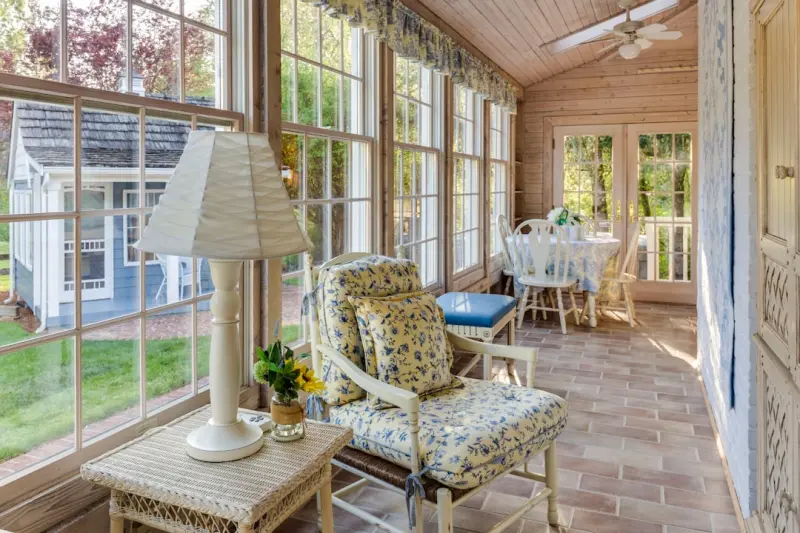
Designing a Sunroom That Works for Every Season and Lifestyle
From orientation to glazing, acoustics to smart controls, I share my hands‑on approach to building a sunroom that feels like an indoor garden in summer, a coz...Read More

Beyond the Checklist: Advanced Techniques Every Homebuyer Should Demand
Learn why modern home inspections require thermal imaging, moisture sensors, and advanced electrical analysis to uncover hidden problems and safeguard your purc...Read More
0 Comments
Post Comment
You will need to Login or Register to comment on this post!