
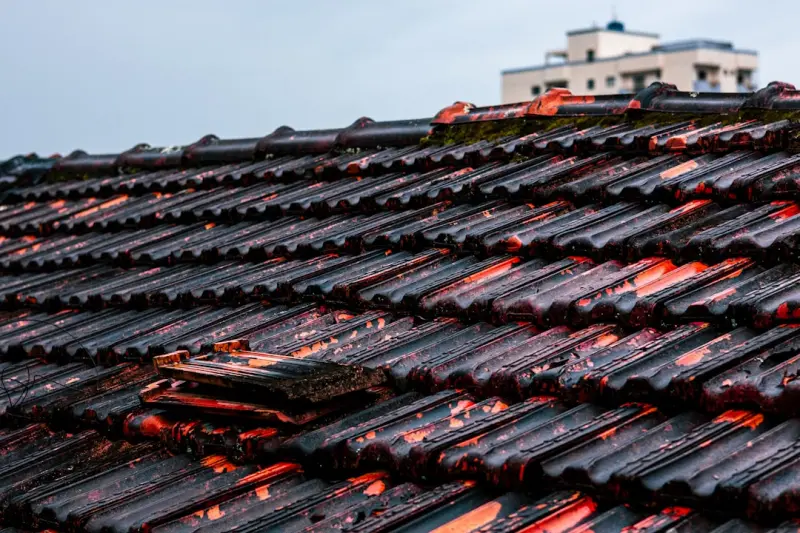
Roofing as a Value‑Adding Asset: My Personal Journey
When I first bought my starter home, the roof was the last thing on my mind—just a protective shell I assumed would last forever. Over the years, watching neighborhoods evolve and home values shift, I realized that a well‑chosen roof can be the single most powerful lever to lift a property’s market appeal. It’s not just about avoiding leaks; it’s about the story the roof tells—whether it whispers timeless craftsmanship or shouts cutting‑edge sustainability, that narrative resonates with buyers and appraisers alike, often translating into tens of thousands of dollars in added equity.
Choosing Materials That Speak to Buyers
From my experience, the materials you select act like a visual handshake with potential owners, and the market now rewards roofs that blend durability with design flair. Metal panels, for instance, offer a sleek, modern silhouette while boasting a lifespan that can outlast the house itself, making them an instant confidence booster for discerning shoppers. On the other hand, architectural shingles mimic the texture of slate or wood without the prohibitive cost, delivering that premium look that can set a property apart on any listing platform.
Integrating Energy‑Smart Features Without the Gimmick
One of the smartest moves I made was to weave energy‑saving tech into the roof’s fabric, turning a basic structure into a performance hub. Reflective cool‑roof coatings can slash cooling costs by up to 15 %, a figure that buyers love when they see the numbers on a home energy report. Pair that with strategically placed ventilation, and you create a comfortable indoor climate that feels like a hidden luxury—an advantage that can be highlighted in marketing materials and drive offers higher than the asking price. For deeper insight, check out this energy inspection guide that walks you through the financial upside.
Boosting Curb Appeal Through Roof Color and Texture
Color psychology plays a surprisingly strong role in first impressions, and I’ve learned to treat roof hue as a design element rather than a mere afterthought. Earthy terracotta or deep charcoal can ground a modern façade, while muted blues echo coastal vibes for homes near water—each palette subtly cues the buyer’s imagination toward a lifestyle they aspire to. Texture, too, adds depth; a patterned metal roof catches light differently throughout the day, creating dynamic visual interest that makes a property stand out in photo galleries and curb‑side tours alike.
Smart Integration with Outdoor Spaces
My latest renovation project taught me that a roof should not exist in isolation from the surrounding landscape; it should complement outdoor living zones, turning the exterior into an extension of the interior. By aligning roof overhangs with patio shading, you protect furnishings while offering a seamless transition that feels intentional and upscale. This approach mirrors the philosophy behind future‑ready decks, where form and function coalesce to create spaces that sell themselves.
Maintenance Planning: Turning Upkeep Into an Asset
Buyers are increasingly savvy about future costs, and presenting a clear, proactive upkeep roadmap can tip the scales in your favor. I now include a concise maintenance schedule with every listing, outlining seasonal inspections, gutter cleaning, and sealant checks—information that reassures prospective owners about long‑term reliability. This strategy mirrors the principles outlined in the maintenance calendar article, showing that a well‑maintained roof isn’t just a cost center; it’s a confidence builder that justifies a premium price.
The Financial Ripple Effect of Roof Upgrades
Every dollar invested in a quality roof tends to ripple outward, influencing other valuation components such as insurance premiums, energy bills, and even interior climate control efficiency. In my case, a modest upgrade to a high‑R‑value insulation layer beneath a metal roof shaved off monthly heating costs, a saving that future homeowners can easily calculate and factor into their offers. When appraisers see documentation of these upgrades, they often adjust the property’s value upward, recognizing the roof’s role in lowering operating expenses and enhancing overall asset quality.
Storytelling Through Roof Documentation
When it comes time to list a home, the narrative you craft around the roof can be as compelling as any interior staging. I compile a concise brochure that details material warranties, installation dates, and any green certifications, turning technical data into a selling point that differentiates the property in a crowded market. This documentation not only builds trust but also equips agents with talking points that can shift negotiations from “price‑focused” to “value‑focused,” ultimately driving a higher final sale price.
Final Thoughts: Treat Your Roof Like a Strategic Investment
In the end, I’ve learned that a roof is far more than a protective barrier; it’s a strategic investment that, when chosen wisely, can amplify a home’s appeal, reduce operational costs, and deliver a tangible boost to resale value. By focusing on material quality, aesthetic harmony, energy efficiency, and transparent maintenance planning, you create a roof that does more than shelter—it sells. Embrace this mindset, and watch your property’s equity climb as naturally as the sunrise over a well‑crafted roofline.

Kelly Reynolds is a dynamic freelance writer hailing from the picturesque landscapes of Alberta. A master of the written word, she juggles her passion for storytelling with the exhilarating chaos of being a mother to five spirited children. With an impressive portfolio that spans various genres, Kelly captivates readers through her engaging blog posts and thought-provoking articles.
Related Posts
The Unexpected Influence of Roof Color on Home Feel and Community Vibe
Discover why the color of your roof matters more than you think—its psychological impact, climate ... Read More
Why Cool Roofs Are the Unsung Heroes of Energy Efficiency
Cool roofs reflect sunlight and emit heat, lowering indoor temperatures and energy use. Learn how th... Read More
Roofing Redefined: Turning Your Building’s Crown into a Smart, Sustainable Asset
Explore the future of roofing as a strategic platform that combines smart sensors, carbon‑negative... Read More
Top Posts
Smart Sensors Meet Home Restoration: A New Age of Precision
A deep dive into the role of smart sensors in modern home restoration, revealing how data‑driven insights, sustainable materials, and proactive maintenance ar...Read More

Solar‑Powered Microgrids: A New Frontier for Commercial Real Estate
Discover the practical steps, financial incentives, and real‑world results of integrating solar energy into microgrids for commercial real estate, and learn h...Read More
Smart Entryways: How Connected Windows & Doors Redefine Building Performance
This article examines the shift from static doors and windows to intelligent, sensor‑rich entry points that deliver energy savings, enhanced security, and pre...Read More

Hybrid Heat Pumps: Merging Renewable Power with Traditional HVAC for a Greener Future
Hybrid heat pumps combine modern renewable‑driven units with traditional backup heaters, delivering consistent comfort, lower utility bills, and reduced emiss...Read More
0 Comments
Post Comment
You will need to Login or Register to comment on this post!