
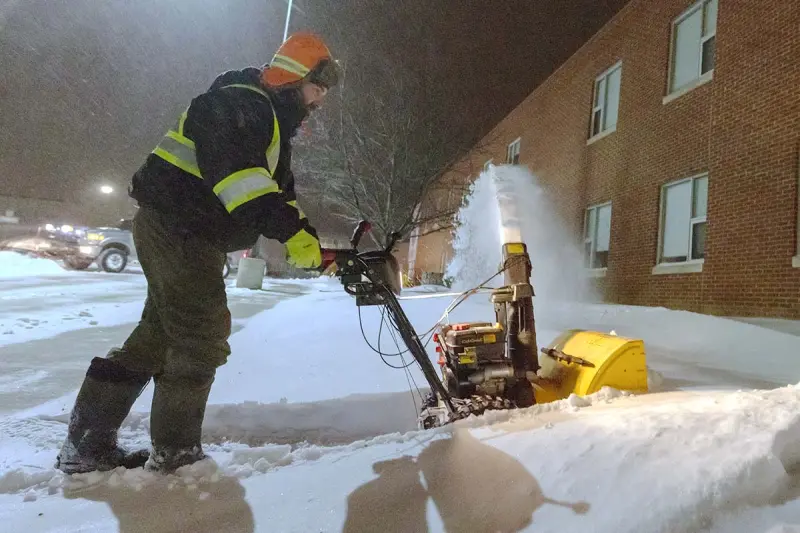
Mindset Over Matter: Reframing Snow Removal
When the first flake lands, many homeowners feel an instant surge of dread, as if a hidden deadline has appeared on their to‑do list; this emotional reaction is not a flaw but a signal that the season is demanding a shift in how we approach routine chores. By treating snow removal as a purposeful ritual rather than a forced burden, you can tap into a sense of control that reduces winter anxiety and even makes the work feel rewarding. Seeing the shovel as a tool for creating safe, welcoming spaces transforms a mundane task into a personal statement of care for family and neighbors, while the simple act of stepping outside and breathing crisp air can reset your mental climate just as effectively as a cup of hot tea. This mindset shift lays the foundation for a systematic approach that blends foresight, ergonomics, and community spirit, turning what once felt like a chaotic scramble into a predictable, even enjoyable, part of your seasonal rhythm.
The first concrete step in that new rhythm is a thorough inventory of your property’s unique snow‑handling challenges, which begins with a visual map of driveways, walkways, and entry points, noting slope, exposure to wind, and any low‑lying spots where snow tends to accumulate. Armed with that map, you can prioritize zones, allocate the right tools—whether a lightweight electric shovel for delicate garden paths or a heavy‑duty snow blower for wide, steep driveways—and pre‑position them where they’ll be most effective before the storm even arrives. This planning phase also offers a chance to assess the condition of existing equipment, spot rust or worn belts, and replace or repair parts, ensuring that when the snow comes you won’t waste time fumbling with a stuck auger or a broken handle, thereby preserving both energy and morale.
Once you’ve charted the terrain, the next layer of preparation is to embed the snow‑removal tasks into a seasonal calendar that syncs with your family’s schedule and local weather patterns, using simple digital reminders or a shared household board to assign responsibilities and set realistic time windows for each pass. By breaking the work into bite‑sized, time‑boxed windows—say, a 15‑minute clear‑out after each heavy snowfall—you avoid the temptation to let the snow pile up into an intimidating drifts of several inches, which can quickly become a safety hazard and a morale killer. The calendar approach also encourages the habit of “pre‑emptive clearing,” where you lightly brush fresh snow off vulnerable spots before it hardens, a technique that dramatically reduces the effort required later and keeps pathways consistently safe for everyone.
Data‑Driven Planning Without the Jargon
Modern weather apps provide more than just a temperature readout; they offer hyper‑local snowfall forecasts, accumulation predictions, and even real‑time radar overlays that can be leveraged to fine‑tune your snow‑removal schedule, turning guesswork into a science. By checking these tools early in the day and noting the projected inches, you can decide whether a quick brush‑off will suffice or if a full‑scale blower operation is warranted, thereby allocating your energy and equipment proportionally to the actual need rather than reacting impulsively. This proactive stance aligns perfectly with the principles outlined in predictive analytics in property maintenance, where data informs the timing and intensity of interventions, reducing both wear on machinery and the physical strain on the operator.
Beyond weather, the concept of proactive property maintenance can be extended to your driveway surface itself; regular seal‑coating, crack repairs, and even strategic snow‑melt drainage installations pay dividends by preventing ice from bonding to the pavement, which in turn cuts down on the number of passes required each storm. When you pair these structural upgrades with a disciplined cleaning regimen—removing debris, leaves, and grit before the first snow—you create a smoother, less abrasive surface that allows snow to glide off more easily, reducing the need for aggressive shoveling that can damage both the concrete and your back. In this way, the data‑driven mindset isn’t just about forecasting storms; it’s about continuously optimizing the environment so that each snow event demands less effort.
Integrating technology doesn’t mean you have to become a gadget junkie; a simple spreadsheet or a shared note app can track equipment usage hours, fuel consumption, and maintenance dates, alerting you when a snow blower’s engine oil is due for change or when a shovel’s handle shows signs of fatigue. This low‑tech data capture creates a feedback loop: as you log each storm’s intensity and the time spent clearing, patterns emerge that reveal the most efficient tools for specific conditions, allowing you to refine your inventory over time. Over successive winters, you’ll notice that a particular 24‑inch blower consistently handles 6‑inch drifts in half the time a larger model does, prompting a strategic decision to retire the heavier machine and invest in the more agile alternative, thus saving on fuel, storage space, and maintenance overhead.
Community, Sustainability, and the Bottom Line
Snow removal is rarely a solo endeavor; the most resilient neighborhoods turn the chore into a collaborative effort, establishing informal “snow squads” where families share equipment, rotate shift duties, and watch out for vulnerable residents such as seniors or those with limited mobility. This cooperative model not only spreads the physical workload but also builds social capital, fostering a sense of belonging that can be as warming as a fireplace on a frigid night. By pooling resources—like a communal electric snow melt system or a shared set of high‑efficiency blowers—you reduce redundancy, cut individual costs, and lower the collective carbon footprint, especially when the equipment runs on renewable electricity.
Environmental stewardship also informs the choice of de‑icing agents; while traditional rock salt works quickly, it corrodes concrete, harms vegetation, and contaminates groundwater, prompting many eco‑conscious homeowners to opt for magnesium chloride, calcium magnesium acetate, or even homemade brine solutions that achieve similar melting results with far less ecological damage. Pairing these greener agents with a strategic pre‑treatment plan—applying a thin layer before the first snowfall—creates a protective barrier that prevents ice from bonding, meaning you’ll spend less time scraping and more time enjoying the crisp, quiet beauty of a freshly cleared yard. This sustainable approach aligns with broader home‑maintenance philosophies that prioritize long‑term health of both property and planet.
Finally, consider the financial upside of a well‑executed snow‑removal strategy: by minimizing slip‑and‑fall accidents, you protect yourself from potential liability claims, and by maintaining clear access routes, you preserve the resale value of your home, as prospective buyers often rate winter readiness as a key purchasing factor. Moreover, the cost savings from reduced equipment wear, lower fuel consumption, and fewer emergency repair calls can be redirected toward upgrades such as heated driveways or smart sensors that automatically activate snow‑melt systems when temperature thresholds are met. In essence, the thoughtful integration of mindset, data, and community transforms snow removal from an inevitable winter headache into a strategic advantage that safeguards health, the environment, and your wallet.

Kelly Reynolds is a dynamic freelance writer hailing from the picturesque landscapes of Alberta. A master of the written word, she juggles her passion for storytelling with the exhilarating chaos of being a mother to five spirited children. With an impressive portfolio that spans various genres, Kelly captivates readers through her engaging blog posts and thought-provoking articles.
Related Posts

Snow Removal Secrets: A Sustainable, Smart Home Approach
Discover sustainable snow removal tactics that blend smart technology, green de‑icers, and proacti... Read More
How AI Is Redefining Snow Removal for Modern Enterprises
Snow removal is evolving from a seasonal chore into a data‑driven, strategic operation. Learn how ... Read More
The Importance of Sustainable Snow Removal Practices
Adopt sustainable snow removal practices to minimize your environmental impact. Learn eco-friendly t... Read More
Top Posts

Beyond the Fuse Box: How Modular Power Grids Are Powering the Next Generation of Smart Buildings
Traditional electrical systems are rigid and wasteful, but modular power distribution combined with AI energy management offers scalable, resilient, and cost‑...Read More

Weatherproofing Your Home Without Sacrificing Style: A Practical Guide
Discover a comprehensive, design‑forward approach to weatherproofing that blends smart materials, integrated sensors, and strategic landscaping, ensuring your...Read More

The Rise of Adaptive Door Systems: Blending Security, Sustainability, and Seamless Design
Adaptive doors are evolving from static barriers into intelligent, energy‑saving, and design‑flexible assets. This post dives into their security intelligen...Read More

Why Bathtub Refinishing Is the Smart Green Choice for Modern Buildings
Bathtub refinishing extends the life of existing tubs, slashing carbon emissions and expenses. Learn how this sustainable upgrade fits into a circular economy, ...Read More
0 Comments
Post Comment
You will need to Login or Register to comment on this post!