

Why Restoring Furniture Is More Than a Hobby—It’s a Sustainable Narrative
When I first lifted a cracked oak dining table from my grandparents’ attic, I expected a simple sand‑and‑stain project. Instead, I discovered a layered story of craftsmanship, material fatigue, and family memory. That moment reshaped my view of furniture restoration from a weekend pastime to a strategic practice that can bridge heritage, technology, and the circular economy.
The Untapped Potential of Data in Restoration
Most restorers still rely on intuition and years of apprenticeship to gauge the health of a piece. But what if we could augment that expertise with real‑time data? Imagine placing a discreet humidity sensor inside a mahogany cabinet. The device streams micro‑climate readings to a mobile app, warning you of rising moisture before the wood warps. This predictive approach mirrors the way building managers now monitor structural health, yet it remains virtually unheard of in the furniture world.
By adopting circular‑economy principles at the piece level, we shift from reactive fixes to proactive stewardship. The data tells you when to re‑oil, when to seal, and even when a piece is ready for a full structural overhaul, extending its lifespan by decades.
Craft Meets Code: The New Toolkit for Restorers
Traditional tools—hand planes, gouges, and finish brushes—are still essential. However, the modern restorer’s kit now includes:
- Laser moisture meters: Measure internal wood moisture without drilling.
- 3‑D scanners: Capture an accurate digital replica of a distressed chair, enabling precise material take‑offs and replacements.
- AI‑driven finish selectors: Upload a photo of a wood grain, and an algorithm suggests the optimal stain and varnish combo based on historical data.
These technologies do not replace the artisan’s touch; they amplify it, ensuring decisions are backed by measurable insights.
Storytelling Through Materials
Every scratch, dent, and discoloration is a paragraph in a furniture’s biography. My approach is to read those paragraphs before I write the new ones. For example, a chipped leg on a mid‑century modern sideboard might indicate a history of relocation. Instead of simply replacing the leg, I document the journey, source a reclaimed timber that matches the original grain, and incorporate a subtle inlay that marks the restoration date. The piece becomes a living archive, inviting future owners to continue the narrative.
Economic Upsides of Thoughtful Restoration
Beyond preserving sentiment, strategic restoration can be a revenue driver. A restored vintage credenza can fetch 2–3× its material cost on the secondary market. Moreover, clients increasingly value sustainability metrics. By providing a restoration report that includes carbon‑offset calculations—how many kilograms of CO₂ were avoided by reusing the wood—you create a compelling value proposition.
Integrating Restoration Into Larger Renovation Projects
While many contractors view furniture as a peripheral element, integrating restoration into broader renovation plans yields cohesive design outcomes. Consider a coworking space that sources reclaimed conference tables from local donors. Instead of ordering brand‑new desks, the project manager commissions a restoration crew to refinish, rewire for integrated power outlets, and apply a low‑VOC finish. This approach aligns with handyman subscription models that promise ongoing maintenance, turning one‑off restoration into a recurring service contract.
Choosing the Right Materials for Longevity
Not all woods age equally. Here’s a quick guide:
- Teak: Naturally oil‑rich, excellent for high‑humidity environments.
- Maple: Hard, resistant to dents—ideal for high‑traffic surfaces.
- Walnut: Beautiful grain but softer; requires protective finishes.
- Reclaimed pine: Offers character; be mindful of hidden nails and screws.
When sourcing replacement parts, prioritize reclaimed or salvaged timber. It reduces demand for virgin lumber and supports local demolition‑to‑reuse pipelines.
Finishing Techniques That Balance Beauty and Health
Traditional oil–wax finishes deliver a warm glow but can off‑gate volatile organic compounds (VOCs). Newer alternatives include:
- Water‑based polyurethane: Low VOC, quick dry.
- Plant‑based oil blends: Derived from linseed, tung, or hemp, offering natural protection.
- Ceramic nanocoatings: Provide a hard, breathable barrier without altering the wood’s tactile feel.
Choosing a finish that aligns with indoor‑air‑quality goals is a subtle yet powerful way to future‑proof restored pieces.
Case Study: From Neglected Dresser to Boutique Display
Last quarter, I collaborated with a boutique hotel seeking a centerpiece for their lobby. The client supplied a 1960s walnut dresser, riddled with water stains, loose dovetail joints, and outdated hardware. Here’s the step‑by‑step process we followed:
- Diagnostic Scan: A handheld scanner revealed internal cracks hidden beneath the surface veneer.
- Stabilization: Epoxy resin was injected into the cracks, preserving the original wood fibers.
- Re‑joinery: Dovetail joints were re‑cut using a CNC router, ensuring precise alignment.
- Hardware Upgrade: Brass pulls were sourced from a reclaimed hardware depot, matching the mid‑century aesthetic.
- Finish Application: A plant‑based oil blend was applied in three thin coats, enhancing grain depth while maintaining a low VOC profile.
The finished dresser now commands a premium rental rate for the hotel, and the restoration narrative is featured in their marketing collateral—a testament to how craftsmanship can translate into tangible business value.
Building a Restoration Business That Scales
For entrepreneurs, the challenge lies in scaling a highly tactile service. Here are three strategies:
- Standardize Diagnostic Protocols: Use a checklist that incorporates moisture readings, structural integrity tests, and material provenance documentation.
- Develop a Modular Service Menu: Offer tiered packages—basic cleaning, full restoration, and tech‑enhanced upgrades (e.g., embedded wireless charging pads).
- Leverage Subscription Models: Inspired by the handyman subscription service trend, propose annual maintenance plans that include periodic inspections and touch‑ups, ensuring the piece stays in peak condition.
Preserving the Human Touch in a Digital Age
Even as sensors and AI become commonplace, the tactile decision—how much pressure to apply with a hand plane, the exact angle of a chisel—remains irreplaceable. The future of furniture restoration is not a replacement of the artisan but a partnership. By documenting each step digitally, we create a knowledge base that can be shared across apprentices, preserving techniques that might otherwise be lost.
Conclusion: Crafting Legacy, One Piece at a Time
Furniture restoration sits at a crossroads of heritage, sustainability, and emerging technology. When we treat each piece as a living document, we honor its past while equipping it for the future. Whether you’re an independent restorer, a contractor looking to add value, or a homeowner seeking to breathe new life into a family heirloom, embracing data, circular‑economy thinking, and thoughtful design can transform a dusty relic into a centerpiece of modern storytelling.

Lifan Chen is a freelancer based in Toronto specializing in marketing. With expertise in crafting effective marketing strategies and campaigns, Lifan helps businesses grow their brand presence and reach target audiences. As a Toronto-based freelancer, Lifan combines local market insights with creative marketing skills to deliver tailored solutions for clients.
Related Posts
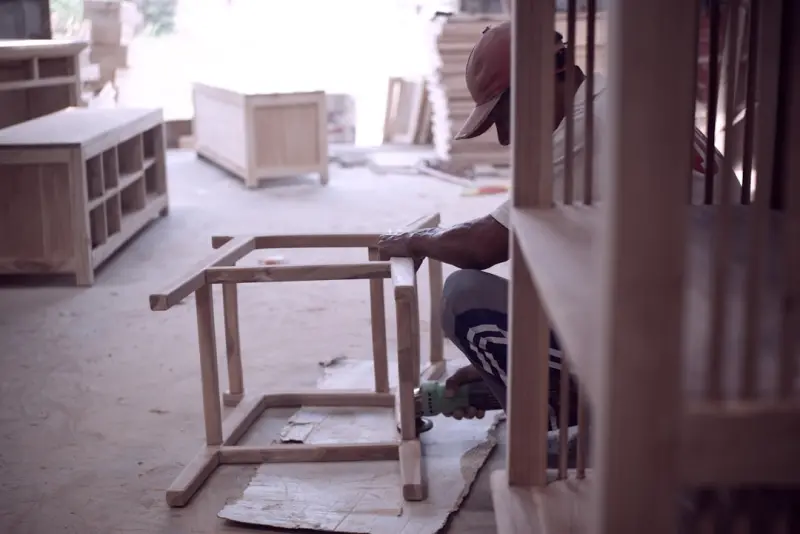
Data‑Infused, Eco‑First Furniture Restoration: A New Craft Paradigm
Discover a modern approach to restoring vintage furniture that blends eco‑friendly materials, scie... Read More

Breathing New Life into Vintage Pieces: A Restorer’s Journey
Explore the art and economics of furniture restoration through a seasoned restorer’s perspective, ... Read More
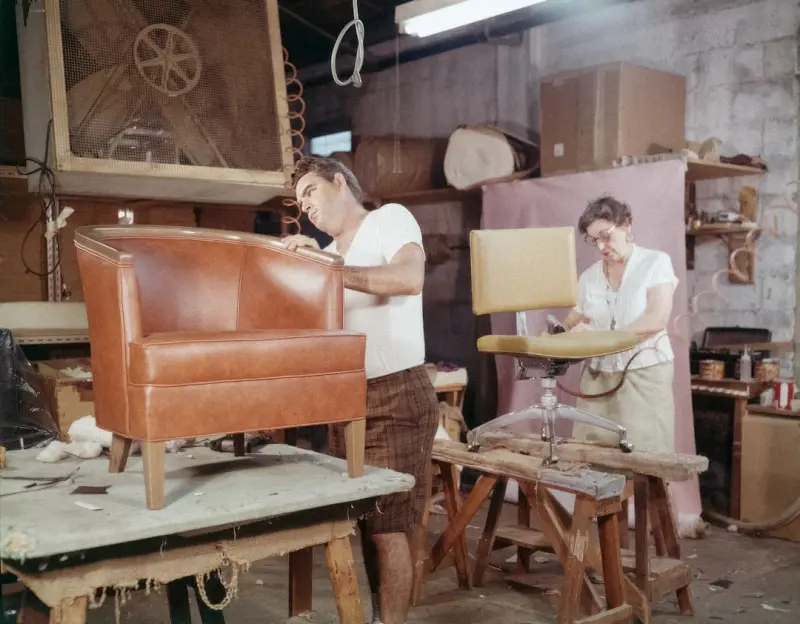
The Smart Artisan’s Guide to Profitable Furniture Restoration
Learn to blend craftsmanship with data, sustainability, and smart marketing to turn vintage furnitur... Read More
Top Posts

The Art of Wallpapering: A Comprehensive Guide to Transforming Your Space
Wallpapering is a powerful tool for transforming your space. Learn how to choose the right material, design, and installation method to create a stunning and fu...Read More

How Smart Awnings Are Redefining Outdoor Spaces for Modern Businesses
Smart awnings combine sensors, AI, and solar fabrics to turn outdoor shade into a data‑driven asset, delivering energy savings, safety compliance, and enhance...Read More

The Handyman’s Guide to Digital Efficiency: Boosting Profits with Tech
Learn how modern handymen can harness scheduling software, mobile payments, and digital inventory to work smarter, boost profits, and build lasting client relat...Read More

Revamping Your Bathroom: A Comprehensive Guide to Renovations
Revamp your bathroom with our comprehensive guide, covering planning, design, materials, and more. Learn how to create a stunning and functional space that meet...Read More
0 Comments
Post Comment
You will need to Login or Register to comment on this post!