
Why Furniture Restoration Matters Today
In an age where disposable culture threatens to eclipse craftsmanship, furniture restoration emerges as a quiet rebellion, inviting homeowners to reconsider the value of what already exists within their walls and to celebrate the stories embedded in worn grain and faded upholstery; this shift is not merely aesthetic, but ecological, as each rescued piece reduces the demand for virgin timber, cuts down on manufacturing emissions, and extends the lifecycle of materials that would otherwise join landfill streams. The act of breathing new life into an heirloom chest or a thrift‑store armchair also reconnects us to a tangible lineage of design, allowing personal narratives to intertwine with historical context, and this emotional resonance often translates into higher resale value and deeper attachment to one’s living space. Moreover, restoration projects serve as hands‑on education, teaching DIY enthusiasts the fundamentals of wood anatomy, joinery, and finish chemistry, thereby fostering a skill set that can be transferred to other home improvement endeavors, from minor repairs to ambitious remodels.
The Psychology of Upcycling
When we choose to upcycle a battered side table instead of discarding it, we engage a subconscious reward loop that blends creativity with sustainability; the satisfaction of turning a cracked veneer into a polished focal point triggers dopamine release similar to that experienced by professional artists, reinforcing the behavior and encouraging repeat projects that gradually transform an entire home aesthetic. This psychological boost is amplified when the restored item becomes a conversation starter, inviting guests to ask about its origins and the process behind its revival, thereby turning personal effort into shared storytelling and reinforcing a sense of community around mindful consumption. Studies in behavioral economics suggest that visible, tangible results—like a reclaimed coffee table that now bears a smooth, lacquered finish—are far more motivating than abstract environmental statistics, making the act of restoration a powerful catalyst for broader eco‑friendly habits.
Tools and Techniques for a Sustainable Makeover
Modern restoration does not require a sprawling workshop; a curated toolkit consisting of a quality hand plane, a set of brass scrapers, low‑VOC stains, and a water‑based polyurethane can accomplish the majority of tasks while keeping chemical exposure and waste to a minimum, and investing in durable, multi‑purpose tools ensures that each piece of equipment serves numerous projects over a lifetime. One technique gaining traction is “wet sanding” with fine‑grit mineral wool pads, which produces a dust‑free surface ideal for applying water‑based finishes and reduces the need for aggressive sanding blocks that often generate excessive wood particles; this method, when paired with a thorough vacuum and a microfiber wipe, prepares the wood for absorption of natural oils that enhance durability without compromising indoor air quality. For those seeking to preserve original hardware, a gentle ultrasonic cleaner can remove corrosion and grime without abrasive polishing, extending the lifespan of hinges and drawer pulls while maintaining their vintage patina, a practice that aligns with the broader goal of minimizing replacement waste.
Finishing Touches: From Paint to Patina
Choosing the right finish is where restoration truly becomes an art form, as the interplay between color, sheen, and texture can either honor the piece’s era or propel it into contemporary relevance; for example, a muted, matte chalk paint can mute a mid‑century modern cabinet’s sharp lines while preserving its structural integrity, whereas a high‑gloss lacquer might spotlight Art Deco curves, creating a striking contrast that highlights architectural details. To deepen your understanding of how finishes transform perception, explore The Secret Language of Paint, which dissects the psychological impact of hue and finish on interior ambiance, offering a scientific backdrop to intuitive design decisions. Seasonal considerations also play a role: during colder months, a warm amber stain combined with a satin sealant can add coziness, while summer projects might benefit from cooler, light‑reflective tones that keep rooms feeling airy; integrating insights from Handyman Hacks: Seasonal Fixes can help align your finish choices with environmental comfort, ensuring that the restored furniture not only looks good but also contributes to a balanced indoor climate.
Case Study: Turning a Neglected Dresser into a Statement Piece
Consider a six‑drawer cedar dresser rescued from a garage sale, its veneer cracked, hardware rusted, and drawer fronts warped from years of neglect; the first step was a thorough assessment, identifying which joints could be re-glued, which panels required veneer replacement, and which decorative elements could be salvaged, a process akin to diagnosing a patient before prescribing treatment. After carefully removing the original finish with a biodegradable citrus stripper—chosen for its low odor and environmental friendliness—the wood was stabilized using a blend of tung oil and walnut shell filler, which penetrated deep pores and repaired minor gouges without obscuring the natural grain; this combination also imparted a subtle amber hue that echoed the dresser’s historic character while providing a resilient barrier against future moisture. The hardware was revitalized by submerging brass knobs and drawer pulls in a vinegar‑baking soda bath, then polishing with a micro‑fiber cloth to restore their luster, and finally, a custom‑cut, reclaimed glass top was added to the middle section, referencing contemporary design trends and creating a functional display space for curated objects, thereby marrying past and present in a single, cohesive statement.
Material Selection: When to Keep, When to Replace
Not every component of an antique piece warrants preservation; understanding the thresholds of structural integrity versus aesthetic appeal is crucial, as attempting to salvage a warped frame with severe bowing can compromise both safety and longevity, making selective replacement the smarter route; sourcing reclaimed wood from demolition sites or responsibly managed salvage yards provides a sustainable alternative to new lumber while maintaining the tactile authenticity of the original construction. In situations where veneer is missing or irreparably damaged, opting for a thin, high‑quality plywood veneer matched to the original grain pattern can seamlessly blend with existing surfaces, especially when paired with a grain‑matching stain applied in thin coats to avoid a “patched” appearance. For upholstery, natural fibers such as linen or hemp not only echo historic textile choices but also offer breathability and durability, and when dyed with plant‑based pigments, they align with the eco‑centric ethos that underpins modern restoration philosophies.
Integrating Modern Technology Without Losing Charm
While the heart of furniture restoration lies in tactile, hands‑on craftsmanship, integrating subtle technology can enhance functionality without detracting from vintage charm; for instance, embedding a discreet USB charging port within a reclaimed wooden nightstand provides contemporary convenience, and the installation can be concealed behind a removable panel that matches the original woodwork, preserving the piece’s visual integrity. Smart sensors, such as humidity monitors, can be tucked into the underside of a restored armoire, alerting owners when moisture levels rise and risk wood warping, thereby extending the lifespan of the piece through proactive maintenance. These technological upgrades should always be reversible, allowing future owners to return the furniture to its pure, unaltered state if desired, a principle that respects both the artifact’s history and the evolving needs of modern living.
Marketing Your Restored Pieces: From Hobby to Small Business
When a restoration project yields a piece that feels market‑ready, transitioning from personal satisfaction to entrepreneurial opportunity requires strategic branding; documenting the before‑and‑after process through high‑resolution photography and concise storytelling on platforms like Instagram or Etsy builds credibility and showcases the craftsmanship behind each item, while emphasizing the sustainable narrative can attract eco‑conscious consumers who value transparency. Pricing should reflect not only material and labor costs but also the intangible value of heritage preservation, and offering limited‑edition runs—perhaps a series of chairs restored with a signature distressed finish—creates scarcity that drives demand. Collaborating with interior designers who specialize in eclectic or vintage aesthetics can also open wholesale channels, and linking to complementary content such as Crafting the Perfect Countertop can position your furniture within a broader design ecosystem, encouraging cross‑sales and reinforcing the holistic nature of sustainable home styling.
Future Trends: Circular Design and Community Workshops
The next wave of furniture restoration is poised to intersect with the circular economy, where designers and makers collaborate to create pieces that are intentionally built for disassembly, repair, and eventual repurposing, turning each restoration into a lesson in modular thinking and long‑term stewardship; community workshops that teach these principles are sprouting in urban neighborhoods, offering shared tool libraries and guided sessions that democratize access to expertise traditionally confined to specialist studios. By participating in or organizing such gatherings, artisans not only amplify their impact but also foster a network of like‑minded individuals who can exchange materials, ideas, and even finished projects, reinforcing a culture of collective responsibility for the built environment. As more homeowners recognize the emotional and financial benefits of restoring rather than replacing, the market will likely shift toward valuing authenticity and resilience, ensuring that the timeless allure of well‑crafted furniture continues to thrive in an increasingly sustainable world.

Lifan Chen is a freelancer based in Toronto specializing in marketing. With expertise in crafting effective marketing strategies and campaigns, Lifan helps businesses grow their brand presence and reach target audiences. As a Toronto-based freelancer, Lifan combines local market insights with creative marketing skills to deliver tailored solutions for clients.
Related Posts

Data‑Driven Furniture Restoration: Turning Tradition into Tech‑Powered Upcycling
Discover how leveraging data, 3‑D scanning, and smart finishes can transform traditional furniture... Read More

The Art of Furniture Restoration: A Sustainable Approach to Revitalizing Your Home
Furniture restoration is a sustainable way to reduce waste, conserve resources, and create one-of-a-... Read More
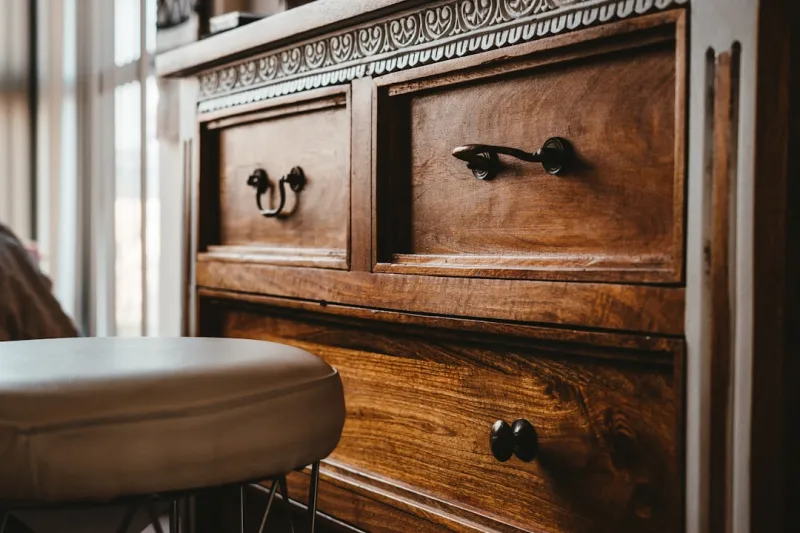
The Sustainable Revival of Furniture Restoration
Furniture restoration is an art form that requires patience, skill, and a deep understanding of mate... Read More
Top Posts

When Gutters Go Smart: Turning Rainfall into a Resilient Asset
A deep dive into how intelligent gutter systems can boost resilience, cut costs, and add sustainability value—complete with design tips, sensor tech, and real...Read More

Guarding Your Home’s Core: Innovative Strategies for Foundation Repair
Learn how soil science, smart sensors, and eco‑friendly materials combine to create proactive, cost‑effective foundation repair solutions that safeguard you...Read More
Invisible Strength: How Smart Masonry Is Redefining Building Performance
Tom Ferguson shares how embedding sensors into bricks transforms age‑old masonry into a data‑driven, adaptive system, delivering predictive maintenance, ene...Read More
Revamping Your Bathroom: A Comprehensive Guide to Renovations
Revamp your bathroom with our comprehensive guide, covering planning, design, materials, and more. Learn how to create a stunning and functional space that meet...Read More
0 Comments
Post Comment
You will need to Login or Register to comment on this post!