

Why Restoring Furniture Is the Unexpected Engine of Workplace Innovation
When I first walked into the downtown loft‑style office of a fast‑growing SaaS startup, the first thing that caught my eye wasn’t the sleek standing desks or the polished glass conference rooms. It was a battered, mid‑century credenza tucked in the corner, its veneer dulled by years of use but still radiating a quiet charm. My curiosity sparked a conversation with the founder, who confessed that the piece had been rescued from a local thrift store and lovingly restored by the entire team during a weekend “maker‑day.” That moment made me realize that furniture restoration isn’t just about aesthetics—it’s a catalyst for culture, collaboration, and even bottom‑line performance.
The Hidden Business Case for Restoring, Not Replacing
Most leaders instinctively reach for new, ergonomic chairs or modular workstations when a space feels stale. The logic is simple: newer equals better, and the ROI is measurable through warranties and ergonomic certifications. Yet, this mindset overlooks three powerful, often‑unquantified returns that come from breathing new life into existing pieces:
- Employee Ownership – When staff participate in the restoration process, they develop a tangible sense of ownership over the workspace.
- Brand Storytelling – A restored vintage table or reclaimed wood bookshelf becomes a visual narrative of sustainability and ingenuity.
- Cost Efficiency – Quality restoration can extend a piece’s lifespan by decades, delivering savings that rival even the most efficient procurement contracts.
These benefits echo the arguments made in Restoring Office Furniture: A Strategic Path to Sustainable Growth, but they go deeper. While that article frames restoration as a strategic sustainability initiative, I’m focusing on the human side: how the act of restoring ignites a shared purpose and fuels innovation.
From Dusty Drafts to Design Dialogues: The Restoration Workflow
Creating a repeatable, engaging restoration process doesn’t require a full‑time workshop crew—just a framework that encourages participation, safety, and creativity. Below is a step‑by‑step guide we’ve refined over the past year:
- Scout & Select – Involve a cross‑functional “treasure hunting” squad to browse local flea markets, estate sales, or online classifieds. The goal is to find pieces that have character but need love.
- Assess Condition – Conduct a quick structural audit: check for rot, loose joints, or hazardous finishes. Document findings with photos so you can track progress.
- Plan the Makeover – Decide on the intended function (e.g., a conference table, a breakout lounge bench) and choose a finish that aligns with your brand palette.
- Gather Materials – Source low‑VOC stains, water‑based paints, and reclaimed hardware. This is a perfect moment to partner with local suppliers who share your sustainability values.
- Hands‑On Workshop – Host a half‑day event where employees sand, stain, and assemble. Provide safety gear, clear instructions, and a playlist that matches the vibe of the project.
- Celebrate & Deploy – Once the piece is ready, unveil it during a company gathering. Capture before/after photos and share the story on internal channels and social media.
Each phase is an opportunity to reinforce core company values—whether it’s teamwork, craftsmanship, or environmental stewardship. The process also surfaces hidden talents; you might discover a software engineer who moonlights as a woodworker or a marketer with an eye for color theory.
Tech‑Infused Restoration: Marrying Tradition with Innovation
While the tactile joy of sanding a table is undeniably satisfying, integrating technology can elevate the experience and produce measurable outcomes. Here are a few ideas that have worked for us:
- QR‑Encoded Histories – After restoration, embed a discreet QR code on the underside of the piece. Scanning it reveals a short video of the restoration journey, the team members involved, and the sustainability metrics saved.
- IoT‑Enabled Smart Furniture – Install low‑power Bluetooth sensors that track usage patterns (e.g., how often a conference table is booked). This data feeds into space‑utilization dashboards, informing future layout decisions.
- AR Visualization – Before committing to a finish, use augmented reality apps to preview how different stains or paint colors would look in the actual office environment.
These tech layers turn a static piece of reclaimed furniture into a living data point, echoing the insights from Designing Spaces That Listen: The Quiet Revolution in Interior Design. By making furniture “speak” to both employees and managers, you create a feedback loop that continuously refines your workplace strategy.
Case Study: The “Storyboard” Table That Sparked a Product Pivot
At a mid‑size SaaS firm we consulted for, a team of product designers rescued a 1960s walnut drafting table that had been relegated to a storage closet. Over a weekend, they sanded it, applied a matte charcoal stain, and added a set of hidden cable channels. The table was then positioned in the central brainstorming zone, complete with the QR‑encoded history.
Two weeks later, during a sprint planning session, a junior developer noticed the QR video and was inspired by the story of “reimagining old things.” He proposed a feature that allowed customers to “re‑brand” legacy data visualizations, giving them a fresh look without losing historical context. The idea resonated, made it into the product backlog, and ultimately became a top‑selling add‑on.
This anecdote underscores a crucial point: restored furniture can act as a physical metaphor for product innovation. When employees see a piece of history transformed, they’re more likely to think about how their own projects can evolve rather than be discarded.
Measuring the Impact: Beyond the Aesthetic
Quantifying the ROI of restoration isn’t as straightforward as tracking chair ergonomics, but there are concrete metrics you can monitor:
- Engagement Scores – Conduct a pulse survey before and after a restoration event to gauge changes in employee pride and belonging.
- Utilization Rates – Use the IoT sensors mentioned earlier to see how often restored pieces are booked or occupied versus generic furniture.
- Cost Savings – Calculate the difference between the cost of restoration (materials, labor hours) and the purchase price of a comparable new item.
- Brand Amplification – Track social media mentions, blog traffic, and inbound inquiries that reference your restored pieces or the stories behind them.
When you compile these data points, the narrative becomes compelling: a modest investment in restoration yields tangible boosts in morale, productivity, and even external brand perception.
Addressing Common Concerns
“We don’t have the skill set.” – Partner with local artisans or vocational schools. Many craftsmen are eager to collaborate on corporate projects, providing mentorship while gaining exposure.
“It will take too much time.” – Break the process into bite‑size sessions. Even a two‑hour “sanding sprint” can make a noticeable dent in a project’s timeline.
“What about safety?” – Always enforce PPE usage (gloves, goggles, dust masks) and provide clear, step‑by‑step instructions. A short safety briefing at the start of each workshop mitigates risk.
“Will restored pieces look professional?” – With the right finish and attention to detail, restored furniture can rival brand‑new pieces. High‑quality stains, protective topcoats, and thoughtful hardware upgrades make all the difference.
Integrating Restoration Into Your Culture Blueprint
To make furniture restoration a sustainable cultural pillar, embed it into existing rituals:
- Onboarding – New hires join a “first‑day restoration” activity where they help refurbish a small item, instantly tying them to the company’s values.
- Quarterly “Refresh” Days – Allocate a half‑day each quarter for teams to tackle a restoration project, aligning with sprint retrospectives.
- Community Outreach – Donate fully restored pieces to local schools or nonprofits, turning internal culture work into external goodwill.
These touchpoints reinforce that restoration isn’t a one‑off gimmick; it’s a continuous expression of who you are as an organization.
Conclusion: The Restored Future of Workspaces
In a world where digital transformation dominates boardroom conversations, the tactile, hands‑on act of restoring furniture offers a grounding counterbalance. It reminds us that innovation can be both high‑tech and deeply human. By turning forgotten desks, chairs, and cabinets into vibrant symbols of collaboration, you create a workplace that feels lived‑in, purposeful, and forward‑thinking.
If you’re ready to explore how a few well‑chosen restoration projects can reshape your culture, start small, measure relentlessly, and let the stories of those reclaimed pieces guide your next strategic move.

Kelly Reynolds is a dynamic freelance writer hailing from the picturesque landscapes of Alberta. A master of the written word, she juggles her passion for storytelling with the exhilarating chaos of being a mother to five spirited children. With an impressive portfolio that spans various genres, Kelly captivates readers through her engaging blog posts and thought-provoking articles.
Related Posts
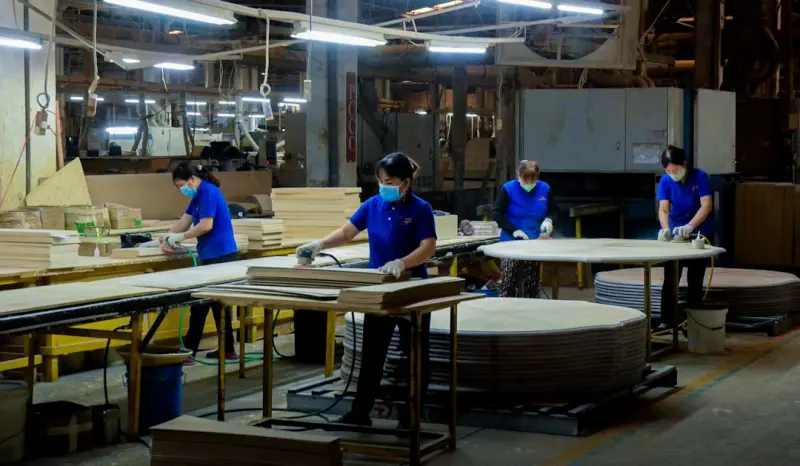
Restoring Furniture for a Circular Future: Craft Meets Tech
Discover the fusion of traditional craftsmanship and cutting‑edge technology in furniture restorat... Read More
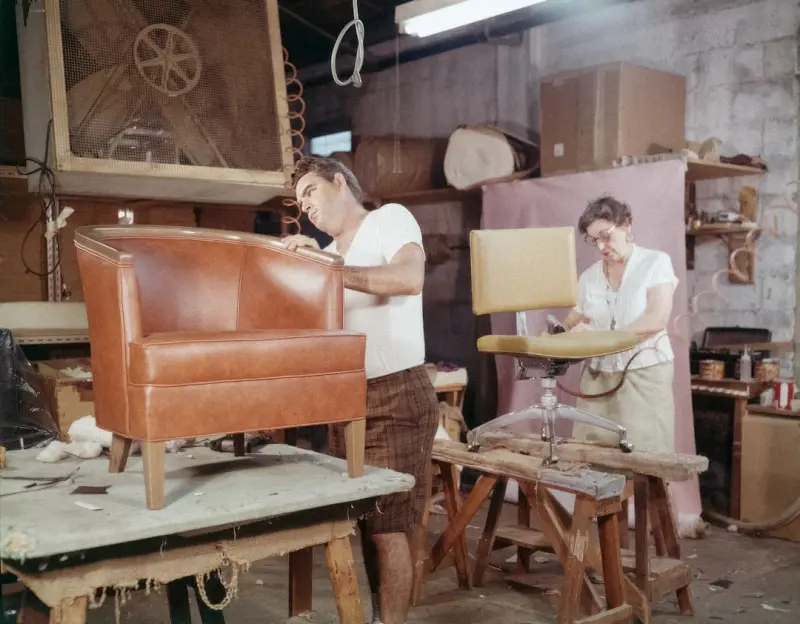
The Smart Artisan’s Guide to Profitable Furniture Restoration
Learn to blend craftsmanship with data, sustainability, and smart marketing to turn vintage furnitur... Read More

Reviving Forgotten Furniture: A Hands‑On Guide
A hands‑on journey into furniture restoration, covering assessment, repair, finishing, and sustain... Read More
Top Posts

Sunroom Strategies for the Modern Hybrid Workplace
A deep dive into using sunrooms as flexible, health‑focused work zones that enhance productivity and align with sustainable building practices....Read More

The Hidden Power of Tiles: Merging Design, Tech, and Performance
Tiles are evolving from decorative surfaces into smart, sustainable platforms. This post explores sensor‑embedded tiles, acoustic enhancements, underfloor hea...Read More
Predictive Duct Maintenance: Turning Hidden Airways Into Strategic Assets
Predictive duct maintenance leverages IoT sensors and analytics to anticipate cleaning needs, reduce energy waste, extend equipment life, and boost occupant hea...Read More

Seeing Beyond the Surface: How Thermal Imaging Transforms Home Inspections
Thermal imaging lets inspectors see hidden leaks, insulation gaps, and electrical hotspots, turning invisible problems into clear, actionable insights for homeo...Read More
0 Comments
Post Comment
You will need to Login or Register to comment on this post!