
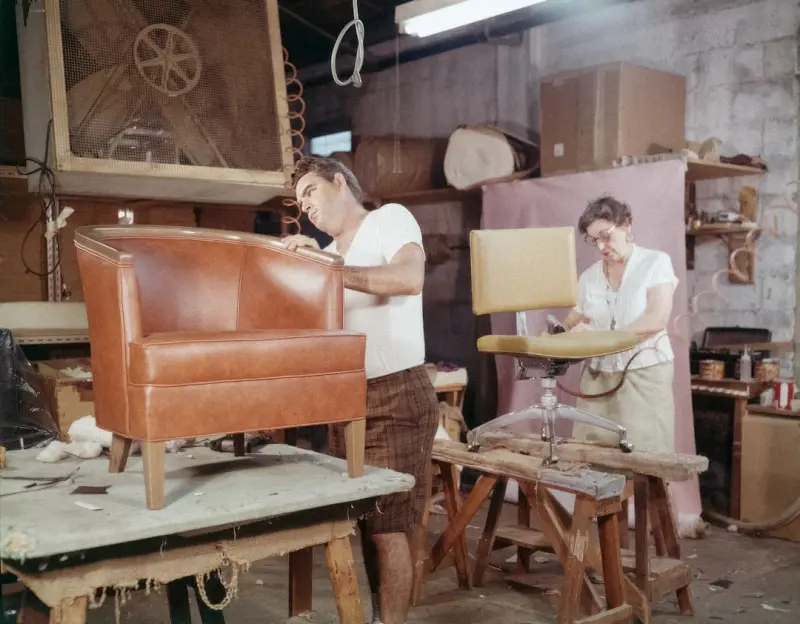
Why Furniture Restoration Is Becoming a Smart Business Move
When I first picked up a battered mid‑century armchair in my college dorm, I thought I was just looking for a cheap place to sit. The truth was far richer: each knot in the wood, every faded fabric thread, whispered a story that begged to be retold. Over the past decade I’ve turned that curiosity into a full‑time practice, and what began as a personal hobby now feels like a high‑tech, high‑margin venture.
The Data‑Driven Artisan: Marrying Craft with Insight
Traditional furniture restoration has always been an art—an intuitive dance between sandpaper, stain, and the occasional sigh of relief when a piece finally looks right. Yet the modern market rewards predictability. Clients want to know the expected lifespan of a restored heirloom, the environmental impact of the finishes used, and the potential resale value. By embedding simple data‑capture tools into the workflow, you can answer those questions with confidence.
- Condition scoring apps: A tablet‑based checklist lets you assign numerical scores for wood integrity, upholstery wear, and structural stability. Over time, these scores build a database you can reference when quoting new projects.
- Moisture and humidity sensors: Placing a low‑cost Bluetooth sensor inside a restored cabinet alerts you if the environment drifts outside safe parameters, preventing future warping.
- Digital finish logs: Track exactly which stains, sealants, and oils were applied, the temperature at the time, and cure durations. This log becomes a repeatable recipe for success.
When you can point to a concrete report rather than just a gut feeling, you elevate your service from “hand‑crafted” to “hand‑crafted with accountability.”
Turning Restoration Into a Sustainable Asset
Consumers are increasingly aware of the carbon footprint hidden in new furniture manufacturing. Restoring a vintage dresser instead of buying a brand‑new piece can slash embodied energy by up to 80 %. Yet sustainability is not just a talking point—it’s a marketable metric. By documenting the energy saved and the materials diverted from landfill, you create a compelling story for eco‑conscious buyers.
One practical tip: source reclaimed wood for any necessary replacements. Not only does it keep the visual narrative authentic, it also reduces demand for fresh timber. Pair that with low‑VOC (volatile organic compounds) finishes, and you have a product that meets rigorous green building standards without sacrificing aesthetic appeal.
Pricing the Intangible: From Hobbyist to High‑Value Service
Many restorers struggle with pricing because the value they deliver is intangible—preserving heritage, enhancing a room’s character, and extending a piece’s life. Here’s a framework that has worked for me:
- Baseline cost: Materials, labor hours, and any outsourced services (e.g., upholstery stitching).
- Value multiplier: Add 1.5‑2× the baseline to capture the expertise, rarity of the piece, and market demand for vintage items.
- Sustainability premium: If you can demonstrate measurable environmental benefits, tack on an additional 10‑15 %.
- Data‑backed confidence: Use your condition scores and finish logs to justify the multiplier; clients love seeing the numbers.
This approach shifts the conversation from “how cheap can it be?” to “what is the true worth of preserving this artifact?” and often leads to higher acceptance rates.
Leveraging Technology Without Losing the Soul
It’s easy to get dazzled by flashy gadgets, but the heart of restoration remains the tactile connection to the piece. The goal of technology is to enhance that connection, not replace it. Here are three low‑barrier tools that respect the craft:
- 3‑D scanning for structural analysis: A handheld scanner can quickly reveal hidden cracks or internal voids, saving hours of disassembly.
- Color‑matching apps: Instead of manually mixing pigments, use a spectrophotometer app to capture the exact hue of the original finish, ensuring a seamless blend.
- Online portfolio with AR previews: Upload a 360° view of the restored item, allowing clients to place a virtual model in their own living space before final approval.
These tools are investments that pay off in reduced rework, higher client confidence, and, ultimately, faster project turnover.
Case Study: From Forgotten Dresser to Boutique Showpiece
Last spring I received a six‑drawer cedar dresser that had spent decades in a damp attic. The wood was swollen, the original finish was a mottled brown, and the drawer pulls were rusted beyond repair. Here’s how the data‑driven workflow transformed it:
- Initial assessment: Using a moisture sensor, I recorded a 22 % humidity level inside the wood—well above the safe 12 % threshold. The condition scoring app gave the frame a 3/10 for structural integrity.
- Repair plan: I sourced reclaimed cedar for the drawer fronts, replaced the rusted pulls with antique brass replicas, and logged each material’s provenance for future reference.
- Finish selection: A spectrophotometer captured the original hue; I mixed a low‑VOC, plant‑based oil stain that matched 97 % of the original tone.
- Environmental impact report: By reusing the existing cabinet and only adding new wood for the fronts, we avoided the production of roughly 12 m³ of new timber—equivalent to planting 150 trees.
- Final outcome: The dresser fetched a 45 % premium over similar new pieces in the local market, and the client shared the AR preview on social media, driving new inquiries.
This project illustrates how a systematic approach can turn a neglected relic into a profitable, story‑rich asset.
Integrating with Larger Renovation Ecosystems
While many think of furniture restoration as an isolated service, it can become a strategic component of broader renovation projects. For instance, when a client is overhauling a historic office, the restored conference table can serve as the centerpiece that ties together the new lighting scheme, acoustic panels, and even the smart systems that monitor indoor climate. By positioning yourself as a partner in these larger narratives, you open doors to recurring contracts and collaborative opportunities.
Marketing the Restoration Journey
Storytelling is the lifeblood of any craft‑based business. Use your data to craft narratives that resonate:
- Before‑and‑after timelines: Show the condition scores at day one, the steps taken, and the final score after completion.
- Environmental badges: Highlight carbon savings, reclaimed material percentages, and low‑VOC usage.
- Client testimonials with AR snapshots: Let satisfied owners share a 3‑D view of the piece in their home, encouraging social proof.
These assets can be repurposed across your website, email newsletters, and even paid ads. When potential customers see a quantifiable, sustainable story, they’re more likely to choose you over a generic furniture retailer.
Future‑Proofing Your Workshop
As the market for vintage and sustainable interiors grows, so does the demand for skilled restorers who can deliver consistent quality at scale. Investing in a modest digital infrastructure now—cloud‑based condition databases, sensor networks, and AR visualization—will keep your workshop agile. Moreover, these tools create a defensible moat: competitors without data‑backed processes will struggle to match your precision and transparency.
Conclusion: Craft Meets Credibility
Furniture restoration is no longer a niche hobby; it’s a convergence point for heritage, sustainability, and data‑enabled craftsmanship. By embracing simple technologies, documenting every step, and weaving those facts into compelling stories, you transform each piece from a solitary artifact into a high‑value, marketable asset. The next time you pick up a dented sideboard, remember: you’re not just sanding wood—you’re curating a measurable, eco‑friendly legacy that modern consumers are eager to invest in.

Lifan Chen is a freelancer based in Toronto specializing in marketing. With expertise in crafting effective marketing strategies and campaigns, Lifan helps businesses grow their brand presence and reach target audiences. As a Toronto-based freelancer, Lifan combines local market insights with creative marketing skills to deliver tailored solutions for clients.
Related Posts
Restored Furniture: The Untapped Asset Fueling Authentic Brand Growth
Restoring furniture isn’t just about preserving the past; it’s a strategic move that enhances br... Read More
Reviving the Past: A Modern Craftsman's Guide to Furniture Restoration
Discover a hands‑on, modern approach to furniture restoration that blends traditional craftsmanshi... Read More
Reviving Vintage Office Furniture: A Competitive Advantage
Restoring vintage office furniture isn’t just about saving money—it strengthens brand narrative,... Read More
Top Posts

Reinventing Comfort: How AI, VRF, and Smart Envelopes Are Redefining HVAC
A deep dive into the latest HVAC innovations—AI‑powered controls, Variable Refrigerant Flow, and renewable‑integrated smart envelopes—showing how they d...Read More
Transforming a Simple Garage into a Sustainable Multi‑Purpose Haven
A hands‑on guide to turning a basic garage into a sustainable, multi‑purpose haven, featuring eco‑friendly materials, smart technology, and design strateg...Read More
Decked Out: Crafting the Ultimate Outdoor Living Space for Your Home
Discover how to craft the ultimate outdoor living space with a modern deck. William Roy shares insights on planning, materials, design trends, and maintenance t...Read More
The Evolution of Sustainable Drywalling: A Comprehensive Guide
Sustainable drywalling involves the use of eco-friendly materials, techniques, and practices that minimize waste and reduce the environmental impact of the cons...Read More
0 Comments
Post Comment
You will need to Login or Register to comment on this post!