
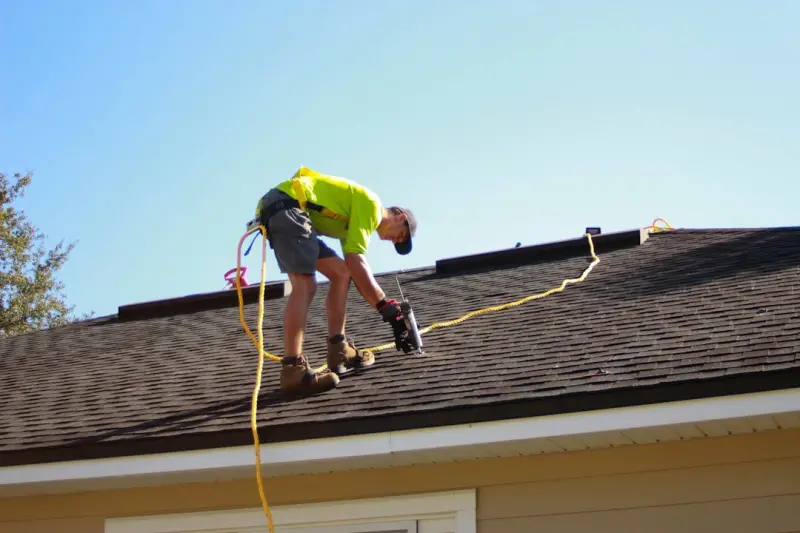
Rethinking Roof Care: From Reactive Fixes to Predictive Partnerships
When you stare up at the roof that shelters your commercial building, it’s easy to see it as a static piece of construction—shingles, tiles, or metal panels that simply keep the elements out. In reality, the roof is a living interface, constantly responding to weather, thermal cycles, and the weight of everything from snow to solar panels. The biggest mistake most facilities managers make is treating roofing as an after‑the‑fact expense rather than a strategic asset that can be actively managed, optimized, and even monetized.
The Cost of Waiting
Traditional roofing strategies are built on a “fix‑it‑when‑it‑fails” mindset. A leak appears, a contractor is called, and an emergency invoice lands on the balance sheet. This reactive model has several hidden costs:
- Operational downtime: Water intrusion can halt production lines or disrupt office work, costing thousands per hour.
- Accelerated material fatigue: Small, unaddressed cracks expand under thermal stress, leading to premature roof replacement.
- Insurance premium spikes: Frequent claims flag the property as high‑risk, nudging premiums upward.
These costs compound quickly, especially for businesses that own multiple facilities. The answer isn’t a bigger budget for emergency repairs—it’s a shift toward a proactive, data‑rich stewardship model.
Enter Predictive Roof Management
Predictive roof management blends high‑resolution sensing, AI‑driven analytics, and a subscription‑style service model to keep the roof healthy before problems surface. Think of it as a health‑monitoring program for your building’s crown.
- Sensing the Surface: Small, low‑power IoT nodes are discreetly mounted on the roof membrane. They capture temperature gradients, moisture levels, vibration signatures, and even ultraviolet exposure.
- Continuous Data Stream: Instead of monthly manual inspections, the sensors push data to a cloud platform in near real‑time, creating a digital twin of the roof’s condition.
- Predictive Algorithms: Machine‑learning models, trained on millions of roof‑performance datapoints, flag anomalies that precede leaks, blistering, or structural fatigue.
- Actionable Insights: Facility managers receive alerts on a dashboard, complete with recommended interventions—whether it’s a localized sealant application or a full‑panel replacement schedule.
By turning the roof into a data‑rich asset, organizations can schedule maintenance during low‑impact windows, negotiate better service contracts, and extend the lifespan of the roofing system by up to 30%.
Why a Subscription Model Works Better Than One‑Off Projects
Roofing companies have historically sold services as discrete projects: “Replace the roof for $X.” This model leaves owners with a single point of contact and little incentive for the contractor to monitor performance after the job is done. A subscription model flips the economics:
- Shared Risk: The service provider’s revenue depends on keeping the roof healthy, aligning incentives.
- Predictable Cash Flow: Facility budgets can plan for a steady monthly expense instead of sporadic, large capital outlays.
- Scalable Expertise: Providers leverage centralized analytics teams that serve dozens of clients, delivering insights that would be impossible for a single property owner to generate in-house.
This approach mirrors the evolution we’ve seen in other building‑service domains, such as the maintenance‑as‑a‑service model for garage doors. The key difference for roofs is the added dimension of weather‑exposure data, which unlocks new layers of insight.
Building a Digital Twin of Your Roof
Digital twins are not just for heritage crafts or high‑tech factories—they’re increasingly vital for large‑scale roofing. By merging sensor streams with high‑resolution aerial photogrammetry, a virtual replica of the roof is generated. This twin serves several purposes:
- Scenario Planning: Simulate how a future storm will affect the roof, allowing pre‑emptive reinforcement.
- Lifecycle Forecasting: Project material degradation over the next decade, informing budgeting decisions.
- Regulatory Reporting: Provide verifiable ESG data on roof sustainability measures, an increasingly important metric for investors.
For a deeper dive into the transformative power of digital twins in the built environment, explore this case study on how they safeguard craftsmanship while delivering operational intelligence.
Integrating Roof Care with Wider Building Strategies
A roof cannot be managed in isolation. Its performance directly influences the building envelope, HVAC load, and even interior comfort. Here are three ways to weave roof stewardship into broader asset‑management strategies:
- Energy Optimization: Sensors that detect hot spots can inform dynamic shading or reflectivity adjustments, reducing cooling demand.
- Water Management: While smart gutters handle runoff, roof sensors can anticipate overflow events and trigger on‑site water capture systems.
- Structural Health Correlation: Integrate roof data with foundation monitoring platforms (see why proactive foundation repair matters) to gain a holistic view of building integrity.
When roof health data feeds into a central building‑operations dashboard, decision‑makers gain a unified, actionable view of the property’s performance.
Choosing the Right Partner
Not all roof‑care providers are created equal. When evaluating a potential partner, keep these criteria in mind:
- Sensor Ecosystem: Look for open‑hardware sensors that can be retrofitted to existing roofs without major disruption.
- Analytics Transparency: The provider should share model assumptions and allow you to drill down into the raw data.
- Service Flexibility: A tiered subscription that scales with the number of sites or the depth of analytics ensures you only pay for what you need.
- Compliance Track Record: Ensure the partner understands local building codes and can navigate warranty considerations.
Future‑Proofing Your Roof Investment
As climate patterns become more volatile, roofs will face unprecedented stressors—intense heatwaves, heavier precipitation, and even higher wind loads. Future‑proofing means adopting a roof system that is adaptable:
- Modular Panels: Replace only the affected sections rather than the entire roof.
- Reflective Coatings: Dynamically alter albedo to manage heat gain.
- Embedded Energy Storage: Some next‑generation membranes can host thin‑film batteries, turning the roof into a distributed power source.
These innovations, combined with predictive management, transform the roof from a passive shield into an active contributor to the building’s resilience and bottom line.
Takeaway: From Reactive Repairs to Strategic Resilience
The roof is more than a cover—it’s a strategic platform that can drive cost savings, ESG performance, and operational continuity. By adopting predictive monitoring, embracing a subscription‑based service model, and integrating roof data with broader building systems, you turn a traditionally reactive expense into a proactive asset.
Start the conversation with a provider who offers a digital twin of your roof, continuous sensing, and a clear path to measurable ROI. The sooner you shift the mindset, the longer your roof—and your business—will thrive under any sky.

William Roy is a freelance writer originally from Montreal who moved to Ottawa with his wife of 50 years to be closer to their grandkids. Alongside his writing, William has a passion for fishing.
Related Posts
Why Your Roof Is the Secret Weapon for Boosting Home Value
A roof isn’t just protection—it’s a powerful value‑adder. Learn the materials, design tricks... Read More

Green Roofs: Transforming Commercial Roofing into Living Assets
Explore the business case for green roofs, from thermal regulation and stormwater retention to ROI, ... Read More
How Smart Sensors Are Turning Roofs into Predictive Assets
Roofing is evolving from a static shield to a data‑rich system. Learn how smart sensors monitor te... Read More
Top Posts
Intelligent Paving: Turning Streets into Data‑Driven, Sustainable Platforms
This article dives into the emerging world of intelligent paving, showing how embedded sensors, permeable surfaces, and energy‑harvesting technologies turn or...Read More

The Secret Sauce Behind Future‑Proof Commercial Renovations
A deep dive into building commercial spaces that evolve with business needs—using modular platforms, data‑driven planning, wellness integration, and renewab...Read More

Quiet Walls, Peaceful Homes: Mastering Acoustic Design in Modern Construction
A deep dive into acoustic-friendly construction, covering wall assemblies, floor decoupling, window upgrades, and smart tech to help homeowners build quieter, h...Read More

Elevating Home Comfort: A Fresh Look at Windows and Doors
Explore the latest frame materials, glazing tech, security hardware, and design trends that turn windows and doors into high‑impact assets for any home....Read More
0 Comments
Post Comment
You will need to Login or Register to comment on this post!