
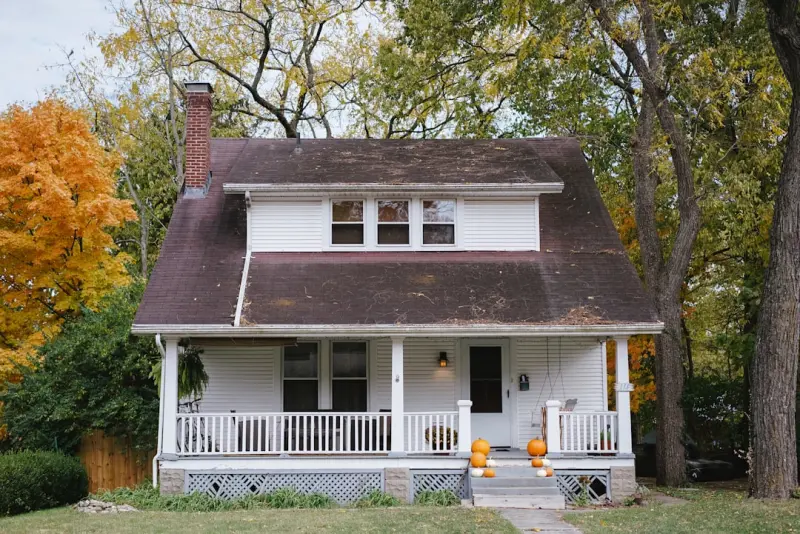
When Digital Twins Preserve Handcrafted Heritage
In the world of home restoration, the line between art and science is getting thinner every day. After three decades of pulling plaster, refinishing hardwood, and coaxing old paint back to life, I’ve learned that the most valuable tool in my toolbox isn’t a hammer—it’s a data model that lives in the cloud. Welcome to the age of the digital twin: a real‑time, three‑dimensional replica of your home that lets you see, test, and perfect restoration decisions before you lift a single brushstroke.
But before I dive into the tech, let’s set the stage. Imagine walking into a Victorian‑era townhouse whose original crown molding has been hidden under layers of cheap drywall for decades. The plasterwork is fragile, the original paint pigments are faded beyond recognition, and every knock of your screwdriver threatens to send a piece of history crashing to the floor. The stakes are high: a misstep could erase a family’s legacy, while a perfect restoration could add decades of value and story.
That’s where the digital twin becomes more than a gimmick—it becomes a preservation partner.
What Exactly Is a Digital Twin?
A digital twin is a highly detailed, data‑driven virtual model of a physical asset. For a home, it means capturing every wall, beam, and decorative element with millimetric precision using tools like LiDAR scanning, photogrammetry, and thermal imaging. The result is a 3‑D mesh that you can rotate, slice, and interrogate on any screen, tablet, or AR headset.
Unlike a simple floor plan, a digital twin stores layers of information:
- Structural integrity data – stress points, load‑bearing walls, and hidden rot.
- Material composition – wood species, plaster mixes, original paint chemistry.
- Environmental conditions – moisture gradients, temperature fluctuations, and UV exposure patterns.
- Historical documentation – archival photographs, renovation permits, and past contractor notes.
When you combine these layers, you get a living model that updates as you work. If you replace a window, the twin automatically recalculates heat loss, humidity flow, and even the impact on adjacent plaster. It’s a continuous feedback loop that transforms guesswork into precision.
Why the Traditional Approach Is No Longer Enough
For years, we relied on the “look, feel, and test” method. You’d knock on a wall, scrape a patch of paint, and hope your intuition didn’t lead you astray. That approach works for simple jobs, but it crumbles when you’re dealing with:
- Multiple historic layers that hide hidden damage.
- Complex geometries where every curve is a unique structural challenge.
- Regulatory constraints that demand exact documentation of every intervention.
Missing any of these details can result in costly re‑work, insurance headaches, or worse—unintended loss of original fabric. By embracing a digital twin, you create a “sandbox” where each potential intervention can be simulated, analyzed, and approved before any physical work begins.
Building the Twin: A Step‑by‑Step Playbook
Creating a digital twin might sound like a job for a Silicon Valley startup, but with the right workflow, it’s a process that any restoration‑focused contractor can adopt. Here’s how I do it:
- Pre‑scan Assessment: Walk the property with a handheld thermal camera to spot moisture pockets and heat loss. This informs the scanning plan.
- LiDAR Capture: Use a portable LiDAR scanner (or a high‑resolution iPad Pro with LiDAR) to capture point clouds of each room. Overlap scans to ensure no gaps.
- Photogrammetry Overlay: Take high‑resolution photos from multiple angles and feed them into software like RealityCapture or Metashape. The result is a textured mesh that mirrors real‑world color and finish.
- Material Tagging: As you review the mesh, tag each element with its material type. For example, “#OriginalPlaster_1840” or “#HeartPineFlooring.” This is where sustainable material playbook insights can guide you in selecting compatible repair compounds.
- Structural Analysis: Import the model into structural analysis software (e.g., Autodesk Robot) to assess load paths and identify weak points.
- Environmental Layering: Fuse thermal data and humidity sensor logs to create a dynamic “moisture map” that updates as conditions change.
- Collaboration Hub: Upload the completed twin to a cloud platform (such as Trimble Connect or Autodesk Construction Cloud). Stakeholders—from architects to heritage consultants—can comment directly on the model.
By the end of this process, you have a living digital replica that serves as the single source of truth for every decision.
Simulating Interventions: From Theory to Practice
Once the twin is in place, the fun part begins: simulation. Let’s walk through a common scenario: restoring an original plaster ceiling that has water damage along a central ridge.
- Identify the Problem Area: The twin’s moisture map highlights a hotspot where humidity is 30% higher than surrounding zones.
- Test Repair Materials: Load the model with data on various plaster mixes—traditional lime‑based, gypsum, and modern polymer‑enhanced blends. The software predicts adhesion strength, drying time, and breathability for each option.
- Run Structural Simulations: Apply the weight of each mix in the model to see how the ceiling’s load distribution changes. The simulation may reveal that a lightweight polymer blend reduces sag risk by 15% compared to a heavy lime mix.
- Visualize Aesthetic Outcomes: Render the ceiling with each material’s texture and lighting conditions. This helps you and the homeowner visualize the final look before committing.
- Document Decisions: The platform automatically logs the chosen material, expected performance metrics, and the rationale—perfect for compliance reports.
This workflow eliminates the “trial‑and‑error” that used to dominate restoration projects. It also builds confidence with clients who can see, in real time, how their investment translates into preserved heritage.
Integrating the Twin with On‑Site Workflows
A digital twin is only as useful as the way it integrates with the day‑to‑day rhythm of a job site. Here’s how I keep the model in sync with reality:
- Mobile Augmented Reality (AR): Using a tablet, I overlay the twin onto the actual space. When I point at a damaged plaster patch, the AR view instantly shows the recommended repair depth and material.
- Tool Calibration: Before each day’s work, I calibrate my laser level and moisture meter against the twin’s baseline data. This ensures my measurements are within the model’s tolerance.
- Progress Tracking: After each task—say, replacing a section of floorboard—I scan that area again and merge the new data into the twin. The model updates, and any deviations are flagged for review.
- Quality Assurance: Once a room is complete, I run a final verification pass using the twin’s “as‑built” comparison tool. It highlights any discrepancies between the planned and actual outcomes.
These practices turn the digital twin from a one‑time snapshot into a living, breathing companion that travels with the crew from start to finish.
Cost Implications: Is It Worth the Investment?
Let’s address the elephant in the room: cost. High‑end LiDAR scanners can run into the thousands, and subscription fees for cloud platforms add up. However, the ROI becomes evident when you consider:
- Reduced Rework: By catching errors in the simulation stage, you avoid the average 12% rework cost that plagues traditional restorations.
- Faster Permitting: Detailed digital documentation can shave weeks off the approval process, especially for historic districts that demand thorough evidence.
- Higher Market Value: A home restored with documented, data‑backed methods often commands a premium—buyers love the transparency.
- Insurance Benefits: Some insurers offer lower premiums for projects with comprehensive risk modeling, which the twin provides.
When you total up the savings, the upfront expense often pays for itself within the first project cycle.
Case Study: The Oakwood Rowhouse Revival
To illustrate the impact, here’s a recent project I completed in a historic district. The house, built in 1885, suffered from:
- Cracked plaster cornices
- Warped heart‑pine flooring
- Moisture‑induced rot behind original lath walls
Using a digital twin, we:
- Mapped moisture pathways and identified a hidden leak behind the kitchen wall.
- Simulated three different plaster repair mixes; the lime‑based option preserved breathability while meeting structural requirements.
- Optimized floorboard replacement by modeling load distribution, allowing us to retain 70% of the original boards.
- Delivered a final “as‑built” twin to the homeowner, which they used for future maintenance planning.
The project finished two weeks ahead of schedule, under budget by 8%, and the homeowner secured a 15% higher resale estimate thanks to the documented preservation process. The success was celebrated in a local heritage journal, and the client now recommends my services to every neighbor on the block.
Bridging the Gap: Traditional Craft Meets Digital Precision
Some restoration purists worry that tech will replace the artisan’s touch. The truth is that digital twins amplify, not replace, craftsmanship. They give you a clearer canvas on which to apply your skill. Think of the twin as a high‑resolution map that tells you exactly where the hidden treasure lies, while your hands still do the digging.
To make this partnership work, remember these guiding principles:
- Respect the Original: Use the twin to identify and preserve as much original material as possible.
- Validate With Physical Tests: Always corroborate digital predictions with spot samples and on‑site measurements.
- Document Rigorously: Every decision—material choice, technique, and outcome—should be logged in the twin for future reference.
- Keep Learning: The technology evolves rapidly. Attend workshops, join restoration tech forums, and stay curious.
Tool Hygiene and Digital Twins: An Unexpected Synergy
While the digital twin handles the macro‑level planning, the micro‑level execution still depends on clean, well‑maintained tools. A dusty saw or a rusted chisel can introduce contaminants that compromise the very materials we’re trying to preserve. That’s why I always refer my crew back to the mastering tool hygiene guide. Clean tools not only extend their lifespan but also ensure that the precise tolerances we model in the twin are achieved on the ground.
Future Outlook: AI‑Enhanced Twins and Predictive Restoration
We’re already seeing the next wave—AI algorithms that ingest decades of restoration data to predict failure points before they appear. Imagine a twin that alerts you when a subtle shift in humidity could cause a plaster crack in six months, allowing you to intervene proactively.
When these predictive models mature, the home restoration industry will transition from reactive repair to proactive stewardship. Homeowners will become custodians of heritage rather than just occupants, and the value of preservation will be quantified in both cultural and financial terms.
Getting Started: Your First Digital Twin
If you’re ready to dip your toe into this new frontier, here’s a quick starter kit:
- Hardware: A handheld LiDAR scanner (e.g., Faro Focus or iPhone 14 Pro) and a thermal camera (FLIR One).
- Software: Free or low‑cost photogrammetry tools (Meshroom) and a cloud collaboration platform (Autodesk Construction Cloud offers a free tier).
- Training: Online tutorials on LiDAR basics and a short course on building information modeling (BIM) for residential projects.
- Community: Join the circular construction blueprint forum to learn how others are integrating digital twins with sustainable practices.
The learning curve may seem steep, but the payoff—preserving history with confidence and efficiency—is well worth the effort. The next time you step into a weathered hallway with cracked crown molding, imagine seeing a holographic overlay that tells you exactly how to restore that piece to its former glory, without a single misstep.
In the end, home restoration isn’t just about fixing what’s broken; it’s about honoring the stories etched into every beam and plaster. By marrying the timeless skill of the craftsman with the precision of a digital twin, we can ensure those stories endure for generations to come.

Tom Ferguson is a Canadian freelance writer with a passion for storytelling, current events, and thoughtful commentary. Drawing on years of writing experience, he shares engaging insights on a wide range of topics, bringing a uniquely Canadian perspective to his work.
Related Posts
From Flood to Future‑Proof: A Data‑Driven Blueprint for Home Restoration
Discover a step‑by‑step, data‑driven approach to post‑flood home restoration that blends mod... Read More
Reviving Exposed Brick: A Hands‑On Guide to Restoring Your Home’s Original Charm
Discover a step‑by‑step guide to restoring exposed brick walls, blending historic charm with mod... Read More

Breathing New Life into Historic Woodwork: A Craftsman's Restoration Guide
Discover a step‑by‑step guide to restoring crown molding, trim, and other original wood details,... Read More
Top Posts
Why Waterproofing is Ready for a Subscription Revolution
Why Waterproofing is Ready for a Subscription Revolution When I first got my hands dirty on a leaky basement in the Midwest, I learned the hard way that once‑...Read More

Smart Tree Care: Tech‑Driven Strategies for a Sustainable Home
Explore how modern technology, seasonal pruning, and soil health can transform tree care into a sustainable, energy‑saving habit for any homeowner....Read More
Designing the Living Edge: Turning Your Yard into a Year‑Round Habitat
A step‑by‑step guide to building a habitat‑first yard, from mapping microclimates and choosing native plants to integrating smart hardscapes and measuring...Read More
The Hidden Impact of Flooring: Mood, Money, and Modern Living
Explore how the right flooring influences mood, enhances resale value, and merges with smart tech and eco‑friendly options for a truly modern home....Read More
0 Comments
Post Comment
You will need to Login or Register to comment on this post!