
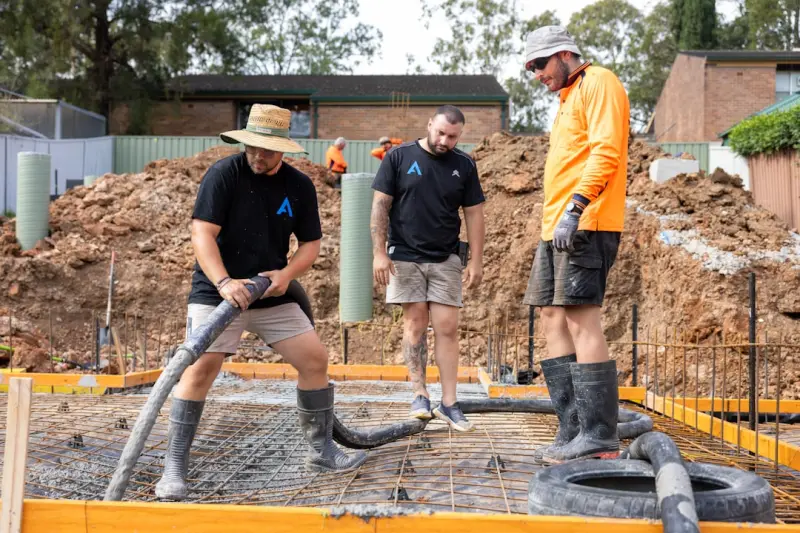
When I first stepped onto a construction site for a high‑rise office tower, the sight that stopped me in my tracks wasn’t the gleaming glass façade or the state‑of‑the‑art HVAC system—it was the subtle, almost invisible, fissure running along the concrete slab of the lobby. Most of the project team saw it as a cosmetic issue to be patched later, but I knew that foundation health is the literal bedrock of any commercial asset. In my years as a facilities strategist, I’ve learned that a proactive foundation repair program can become the most powerful, yet often overlooked, lever for improving the bottom line, safeguarding tenant experience, and meeting emerging ESG expectations.
The True Cost of a Neglected Foundation
It’s easy to think of foundation repair as a “nice‑to‑have” expense, but the reality is far more stark. When cracks widen, moisture seeps in, or settlement occurs, the ripple effects can be severe:
- Operational disruptions—even a minor shift can misalign doors, damage equipment, and force temporary relocations.
- Increased maintenance spend—reactive fixes often require multiple rounds of work, each more expensive than the last.
- Asset depreciation—buyers and lenders factor structural integrity into valuations, meaning a compromised foundation can shave millions off a building’s market value.
- Tenant churn—occupants notice drafts, uneven flooring, or water stains, leading to lower satisfaction scores and higher vacancy rates.
All these factors converge into a hidden cost center that traditional budgeting rarely captures. The first step toward unlocking value is to treat foundation health as a strategic asset, not a line‑item repair.
From Reactive Repairs to Predictive Stewardship
Historically, most property owners have adopted a “fix‑it‑when‑it‑breaks” approach. That mindset is changing, driven by three forces:
- Data‑driven risk management—the rise of building analytics platforms makes it possible to track structural movement in real time.
- Regulatory pressure—many municipalities are tightening code requirements around settlement monitoring for high‑rise structures.
- Investor demand—ESG‑focused funds now ask for concrete evidence that a property’s physical risk profile is under control.
By integrating foundation monitoring into the broader asset‑performance strategy, owners can shift from costly emergencies to scheduled, low‑impact interventions. This shift mirrors the evolution we’ve seen in other building systems, such as the transition from manual to AI‑powered smart electrical panels that anticipate overloads before they happen.
Quantifying ROI: The Numbers That Matter
Decision makers need hard data to justify upfront spending on foundation remediation or preventive reinforcement. Here’s a framework that I’ve refined over the years:
- Cost avoidance—calculate the projected expense of unplanned downtime, tenant concessions, and emergency repairs.
- Value uplift—use comparable sales data to estimate the premium a fully certified, stable foundation adds to the asset’s market price.
- Insurance savings—many carriers offer reduced premiums for properties that demonstrate proactive structural risk mitigation.
- Energy efficiency gains—a level foundation improves envelope sealing, which can cut heating and cooling loads by up to 5%.
When you aggregate these streams, a well‑executed foundation program often delivers a 2–3× return on investment over a five‑year horizon.
Embedding Foundation Health into ESG Reporting
ESG reporting is no longer a box‑checking exercise; it’s a communication platform for investors, tenants, and regulators. Foundation integrity directly maps to the “Environmental” and “Governance” pillars:
- Environmental—preventing water intrusion reduces mold growth, lower indoor‑air‑quality concerns, and limits the need for replacement of damaged finishes.
- Governance—documented inspection schedules, third‑party certifications, and a transparent remediation plan demonstrate robust risk oversight.
By publishing foundation‑health metrics alongside energy use and carbon intensity, owners can differentiate their properties in a crowded market. The Weather‑Proofing 2.0 playbook illustrates how data integration can turn traditionally siloed systems into a cohesive resilience story—foundation monitoring fits seamlessly into that narrative.
Technology Tools That Empower Maintenance Teams
Modern foundation stewardship leans on a handful of technology enablers:
- Inclinometers and crack gauges—wireless sensors that log minute movements and transmit alerts to a central dashboard.
- Ground‑penetrating radar (GPR)—periodic scans that reveal voids, rebar corrosion, or moisture pockets without invasive digging.
- Predictive analytics platforms—software that correlates sensor data with weather patterns, occupancy loads, and soil reports to forecast settlement trends.
- Digital twin models—virtual replicas of the building that allow engineers to simulate the impact of different remediation strategies before committing to construction.
These tools not only reduce the labor intensity of inspections but also provide an audit trail that satisfies both internal governance and external compliance demands.
A Step‑by‑Step Playbook for Decision Makers
Below is a practical roadmap that I recommend for any organization looking to institutionalize foundation care:
- Baseline Assessment—engage a structural engineer to conduct a thorough visual and instrumental survey. Document existing cracks, settlement measurements, and moisture levels.
- Risk Scoring—apply a scoring matrix that weighs factors such as building age, soil type, occupancy load, and proximity to water sources.
- Monitoring Deployment—install a network of low‑maintenance sensors in high‑risk zones. Connect them to your existing building‑management system for unified reporting.
- Financial Modeling—run the ROI framework outlined above. Include sensitivity analysis to capture market volatility.
- Remediation Planning—prioritize interventions based on risk score and ROI. Options range from epoxy crack injection to underpinning and jet‑grouting.
- Implementation & Verification—execute the chosen remediation, then re‑measure to confirm performance against pre‑repair benchmarks.
- Reporting & Disclosure—publish the findings in quarterly ESG updates, highlighting cost avoidance, risk reduction, and any ESG rating improvements.
This structured approach turns a traditionally reactive discipline into a repeatable, value‑creating process.
Case Snapshot: Turning a Crumbling Base into a Growth Engine
One of my recent engagements involved a 12‑story office building in a flood‑prone district. The original foundation had settled unevenly after a severe storm, causing doors to jam and tenant complaints about drafts. The owner initially earmarked a $150,000 emergency fix—essentially a patch job.
Using the playbook above, we expanded the scope:
- Conducted a GPR survey that identified a buried culvert that had shifted, exerting lateral pressure on the footing.
- Installed a suite of inclinometers that logged a 2 mm per month settlement trend.
- Developed a predictive model that projected a $2.3 million loss in asset value if the issue remained unaddressed.
- Presented a remediation plan involving targeted underpinning and soil stabilization, costing $620,000.
Although the upfront cost was higher, the owner secured a 25% reduction in insurance premiums, attracted a new anchor tenant willing to pay premium rents, and boosted the building’s ESG rating—ultimately delivering a net positive cash flow impact of $1.1 million over three years.
Conclusion: Make Foundation Repair a Competitive Advantage
In the same way that smart glazing or adaptive lighting can differentiate a workspace, a disciplined foundation repair strategy can become a silent but powerful competitive edge. It safeguards the physical integrity of the asset, reduces long‑term operating expenses, enhances tenant satisfaction, and aligns with the ESG narratives that investors now demand.
For owners and operators who are ready to move beyond the “patch‑and‑pray” mindset, the path forward is clear: assess, monitor, model, and invest strategically. The payoff isn’t just a steadier building—it’s a stronger balance sheet, a healthier tenant community, and a reputation for resilience in an uncertain world.

Tom Ferguson is a Canadian freelance writer with a passion for storytelling, current events, and thoughtful commentary. Drawing on years of writing experience, he shares engaging insights on a wide range of topics, bringing a uniquely Canadian perspective to his work.
Related Posts

Financing Foundation Repair: A Homeowner’s Guide to Protecting Equity
A detailed guide that walks homeowners through financing options, insurance claim tactics, and contr... Read More
From Cracks to Confidence: Leveraging Sensor Tech for Proactive Foundation Care
A stable foundation is the unsung hero of any commercial building. Learn how modern sensor technolog... Read More

From Cracks to Confidence: A New Playbook for Foundation Repair
A fresh perspective on foundation repair shows how sensor data, climate‑aware design, and innovati... Read More
Top Posts
Why Duct Cleaning Should Be a Cornerstone of Your Facility’s Maintenance Strategy
Regular duct cleaning is more than a cleaning chore—it’s a strategic maintenance move that boosts indoor air quality, reduces energy consumption, and protec...Read More

Why General Contractors Should Embrace the Circular Economy
A deep dive into circular construction, showing contractors how to cut costs, capture new revenue, and future‑proof projects by reusing materials, leveraging ...Read More

Everyday Home Wellness: Simple Tips for a Healthier Living Space
Transform your home into a sanctuary of health and calm with simple, everyday actions—air‑freshening tricks, natural cleaning recipes, mindful decluttering,...Read More

Beyond Stains: A Strategic Approach to Carpet Care in Modern Workplaces
Carpet cleaning often falls off the executive radar, yet it directly influences air quality, energy costs, and employee satisfaction. This article outlines a da...Read More
0 Comments
Post Comment
You will need to Login or Register to comment on this post!