
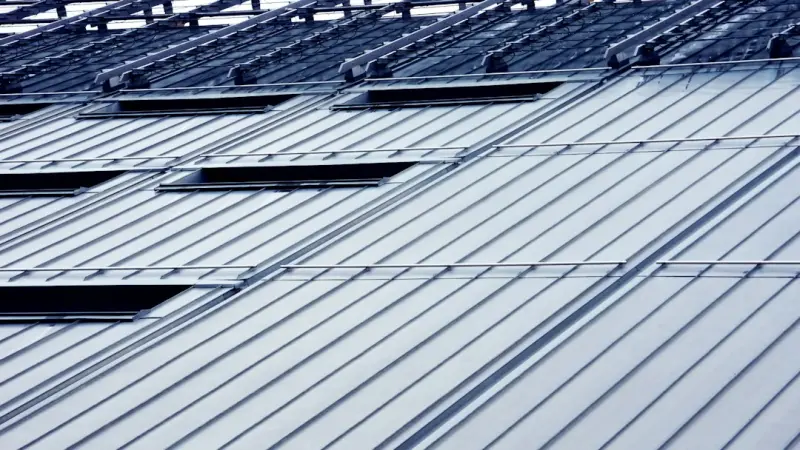
The Science Behind Cool Roofs and Why They Matter
When most people think about roofing, the first images that pop into their head are shingles, tar, or maybe a solar panel array. What rarely gets the spotlight is the humble cool roof—a roof surface engineered to reflect a higher percentage of solar radiation and emit heat more efficiently. As someone who has spent a decade navigating the intersection of construction, data, and sustainability, I’ve seen firsthand how this low‑tech, high‑impact solution can shift the energy dynamics of an entire building.
Cool Roofs vs. Traditional Roofs: A Quick Contrast
Traditional roofing materials—think dark asphalt shingles or conventional metal—absorb up to 90% of the sun’s energy, converting it into heat that seeps into the building envelope. In contrast, a well‑designed cool roof can reflect 55% to 80% of solar radiation and emit a substantial portion of the absorbed heat back into the atmosphere. The result? Lower interior temperatures, reduced reliance on HVAC systems, and a tangible cut in utility bills.
How Cool Roofs Cut Energy Consumption
Here are the primary ways a cool roof delivers savings:
- Reduced Cooling Load: By keeping the roof surface cooler, the indoor temperature remains lower, meaning air‑conditioning units run less frequently and at lower capacities.
- Extended Equipment Life: HVAC systems that operate under less stress experience fewer breakdowns and enjoy longer service intervals.
- Peak‑Demand Shaving: During hot afternoons, when the grid is most stressed, a cool roof can shave off several kilowatts of demand, translating into lower demand‑charge fees for commercial tenants.
Beyond Energy: The Environmental Ripple Effect
Urban heat islands (UHIs) are a growing concern for city planners. Dark rooftops act like giant heat absorbers, raising ambient temperatures not just inside buildings but across entire neighborhoods. By installing reflective roofing, we can mitigate UHI effects, improving outdoor comfort and even reducing smog formation.
Moreover, cool roofs contribute to embodied carbon reductions. Because they lower the need for mechanical cooling, the indirect emissions associated with electricity generation drop accordingly. When combined with renewable energy generation—think photovoltaic panels mounted atop a cool roof—the environmental payoff multiplies.
Integrating Cool Roofs with Modern Building Technology
The era of “stand‑alone” building components is ending. Today’s facilities managers expect every element—HVAC, lighting, roofing—to feed data into a central operations platform. Cool roofs can become a data source in this ecosystem.
Imagine a digital twin of your building that models roof temperature in real time. Sensors embedded in the membrane capture surface temperature, solar irradiance, and wind speed. The twin then predicts how much cooling energy you’ll need over the next 24‑hour period, allowing the building management system (BMS) to pre‑condition spaces more efficiently.
This data‑driven approach doesn’t just save money; it creates a feedback loop for continuous improvement. If a particular roof segment underperforms, the system flags it for inspection, prompting targeted maintenance before a full‑scale failure.
Cool Roof Materials: Picking the Right Solution
Not all cool roofs are created equal. Here’s a quick rundown of the most common technologies:
- Reflective Coatings: Applied as a thin film over existing substrates, these coatings contain ceramic pigments that bounce sunlight back.
- Cool Membrane Roofing: Built‑up roofing (BUR) or single‑ply membranes infused with reflective granules.
- Metal Roofs with High‑Albedo Finishes: Light‑colored metal sheets that naturally reflect more solar energy.
- Thermochromic Materials: Advanced coatings that change color with temperature, increasing reflectivity as they heat up.
When choosing a material, consider the building’s climate, the roof’s structural capacity, and the desired lifespan. In hot, sunny regions, a high‑albedo coating may deliver the biggest ROI, while temperate zones might benefit more from a thermochromic system that adapts to seasonal fluctuations.
Financial Incentives and ROI Calculations
Many municipalities and utilities offer rebates or tax credits for installing cool roofs. These incentives can shave 10%–30% off the upfront cost. To illustrate the financial upside, let’s walk through a simplified ROI scenario:
- Initial Investment: $120,000 for a 10,000‑sq‑ft commercial roof, including material, labor, and sensor integration.
- Annual Energy Savings: 15% reduction in cooling electricity, translating to $45,000 saved per year.
- Incentives: $15,000 rebate from the local utility.
- Payback Period: (Initial Cost – Incentive) / Annual Savings = ($120,000 – $15,000) / $45,000 ≈ 2.3 years.
After the payback window, the building enjoys essentially free cooling, plus the added benefits of lower peak demand charges and improved tenant comfort.
Case Study: A Mid‑Size Office Complex Turns the Roof into a Strategic Asset
One client—a 150,000‑sq‑ft office campus—opted for a reflective metal roofing system paired with wireless temperature sensors. Within six months, they reported:
- 12% reduction in overall electricity bills.
- 5°C lower average roof surface temperature during July peak days.
- A 30% drop in HVAC runtime during afternoon peaks.
- Positive feedback from tenants about improved indoor comfort.
The data from the sensors fed directly into the building’s solar‑powered business hub management dashboard, allowing facility managers to see the combined effect of rooftop solar generation and reflective surface performance on net energy consumption.
Maintenance Best Practices for Cool Roofs
Cool roofs are low‑maintenance, but they’re not “set it and forget it.” Here are some practical steps to keep them performing at peak efficiency:
- Annual Inspections: Check for dirt buildup, especially in areas prone to dust or pollen. Even a thin film of grime can reduce reflectivity by up to 10%.
- Spot Cleaning: Use low‑pressure water sprays or soft brushes; abrasive cleaning can damage the reflective coating.
- Sealant Checks: Ensure seams and flashings remain watertight. Moisture intrusion can compromise the reflective layer.
- Sensor Calibration: If you’ve integrated temperature or humidity sensors, verify calibration annually to maintain data accuracy.
The Future: Smart Cool Roofs and Integrated Energy Systems
Looking ahead, the convergence of cool roofing, IoT, and AI will unlock even more value:
- Predictive Degradation Modeling: Machine‑learning algorithms can forecast when a coating’s reflectivity will dip below a target threshold, prompting pre‑emptive recoating.
- Dynamic Shading Controls: Combining reflective roofs with motorized louvers that adjust based on real‑time solar intensity can push energy savings beyond 20%.
- Hybrid Roof‑Top Energy Farms: Pairing cool membranes with thin‑film photovoltaics creates a dual‑purpose surface—reflectivity for cooling and electricity generation for on‑site use.
These innovations are not just theoretical. Early pilots in several metropolitan districts are already demonstrating measurable gains in both energy performance and occupant satisfaction.
Conclusion: Cool Roofs as a Strategic Lever for Building Leaders
For owners, developers, and facilities managers, the cool roof is more than a color choice—it’s a strategic lever that aligns cost savings, sustainability goals, and tenant comfort. By integrating reflective roofing with data platforms and incentive programs, you can turn a simple building envelope upgrade into a measurable competitive advantage.

Lifan Chen is a freelancer based in Toronto specializing in marketing. With expertise in crafting effective marketing strategies and campaigns, Lifan helps businesses grow their brand presence and reach target audiences. As a Toronto-based freelancer, Lifan combines local market insights with creative marketing skills to deliver tailored solutions for clients.
Related Posts
From Shingles to Data Hubs: Reimagining Roofs for the Modern Facility
Explore a fresh perspective on roofing that treats the roof as an intelligent platform, leveraging d... Read More
Resilient Roofing: Smart Materials, Sensors, and Sustainable Designs
Explore cutting‑edge roofing solutions—from impact‑resistant shingles to smart sensors and gre... Read More
Roofing Reinvented: From Passive Shield to Intelligent Energy Platform
A modern roof can do far more than keep the elements out. By adding sensors, adaptive membranes, sol... Read More
Top Posts

The Unexpected Power of Mixed‑Material Flooring: Style, Sound, and Sustainability
Explore the art of mixed‑material flooring—combining reclaimed wood, stone, and smart underlays—to boost acoustic comfort, sustainability, and timeless st...Read More
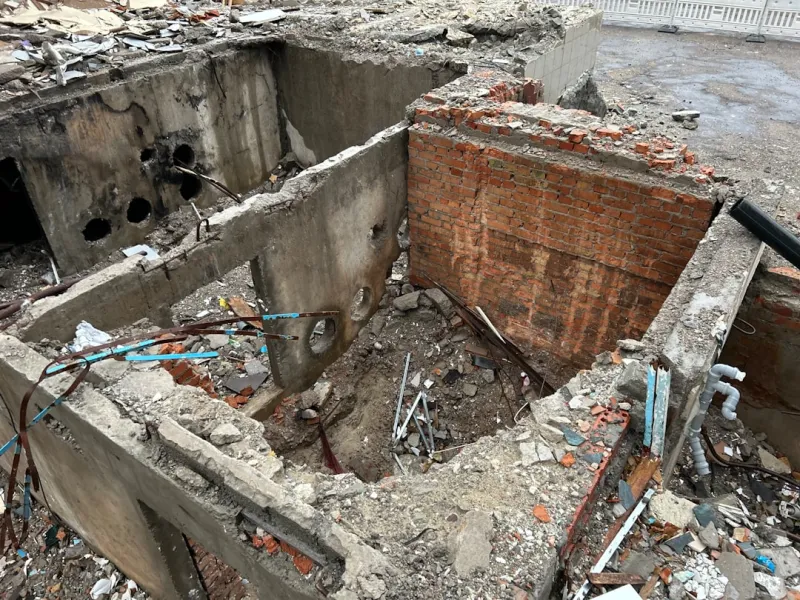
The Interconnection Between Foundation Repair and Sustainable Home Design
Explore the intricate relationship between foundation repair and sustainable home design. Learn how prioritizing sustainable practices can ensure a stable, secu...Read More
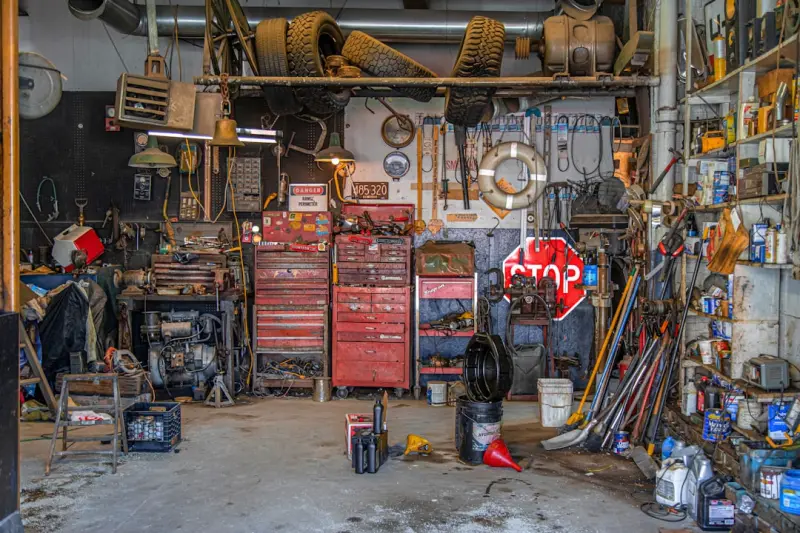
Garage Construction as a Strategic Business Engine
A garage can be more than storage; with the right construction strategy it becomes a multi‑functional hub that boosts efficiency, reduces costs, and drives re...Read More
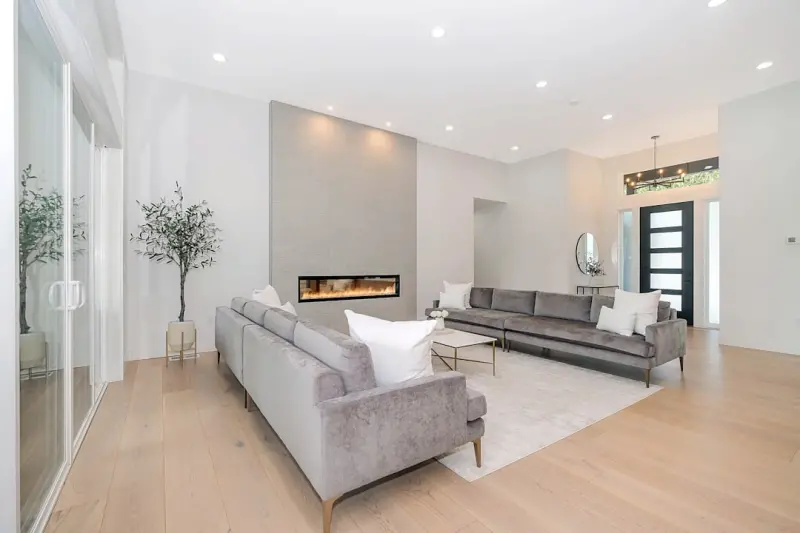
Warm Floors, Warm Minds: How Modern Radiant Heating Drives Business Performance
Radiant floor heating quietly transforms workspaces by improving comfort, reducing energy use, and supporting health and sustainability—making it a strategic ...Read More
0 Comments
Post Comment
You will need to Login or Register to comment on this post!