

Why Tree Care Is the Unsung Hero of Sustainable Living
When I first swapped my hard hat for a pruning saw, I quickly realized that tree health is the backbone of any truly sustainable home, acting like a living HVAC system that filters air, shades walls, and stabilizes soil; this perspective reshapes every project I touch, from roof repairs to landscape design. Homeowners often overlook the quiet power of mature canopies, yet a single healthy oak can offset a household’s carbon footprint more effectively than dozens of energy‑saving gadgets. To start thinking greener, I recommend pairing your tree care routine with the practical advice found in Sustainable Home Hacks, because a holistic approach multiplies benefits across every square foot of your property.
Reading the Signs: How to Diagnose Tree Health Quickly
In my years on the job, I’ve learned that a tree’s story is written in its leaves, bark, and root zone, and a few keen observations can tell you whether it’s thriving or struggling; look for discoloration, premature leaf drop, and fungal growth as early warning flags that should trigger a deeper inspection. I always start with a systematic walk‑around, noting any cracks, cavities, or unusual sap flow, because those subtle cues often precede more visible decline, and documenting them helps track progress over time. This disciplined assessment mirrors the thoroughness of a seasoned contractor’s energy audit, ensuring you catch problems before they cost you time or money.
Seasonal Pruning: The Art of Sustainable Cutting
Pruning is not just about shaping a tree for aesthetics; it’s a strategic act that promotes vigor, reduces disease risk, and improves light penetration, and the timing of cuts makes all the difference—late winter is ideal for most deciduous species, while summer pruning can control vigorous growth in fast‑acting ornamentals. I follow a three‑step protocol that I’ve refined over decades: (1) remove dead or hazardous limbs, (2) thin crowded branches to open the canopy, and (3) make clean, angled cuts just outside the branch collar to encourage rapid healing; each step respects the tree’s natural healing processes and minimizes stress. For a visual checklist, consider this simple
- Inspect for dead wood
- Identify crossing branches
- Make precise cuts
and you’ll see healthier, more resilient trees season after season.
Nourishing the Soil: Mulch, Compost, and the Hidden Power of Insulation
Healthy soil is the foundation of robust trees, and my go‑to strategy is to create a living mulch layer that conserves moisture, suppresses weeds, and feeds the root zone with organic matter—much like the way The Hidden Power of Insulation works to protect a house’s envelope, a good mulch blanket shields roots from temperature swings. I spread a 2‑to‑3‑inch layer of shredded bark or leaf compost, keeping it a few inches away from the trunk to prevent rot, and I periodically top‑up with composted kitchen scraps, which introduces beneficial microbes that improve nutrient uptake. This practice not only boosts tree vigor but also reduces the need for chemical fertilizers, aligning your landscape with the broader goals of sustainable home stewardship.
Water Management: From Rain Barrels to Gutter Mastery
Water is the lifeblood of any tree, and in regions with erratic rainfall, I rely on a combination of rain barrels, drip irrigation, and strategic gutter placement to deliver consistent moisture without waste; capturing roof runoff not only conserves water but also reduces stormwater runoff that can erode soil around the root zone. By installing downspout extensions that direct water to the drip line of trees, you mimic natural precipitation patterns, encouraging deeper root growth and improving drought resilience. Pair this technique with the insights from The Sustainable Homeowners’ Guide to Gutter Mastery, and you’ll have a seamless system that benefits both your trees and your home’s exterior.
Integrated Pest Management: Keeping Bugs in Check Without Harm
When pests threaten a tree, my first line of defense is always cultural—enhancing tree vigor through proper pruning, mulching, and watering—because a strong tree can outcompete many insects and diseases, reducing the need for chemicals; I then scout for early signs of aphids, borers, or fungal lesions, and if intervention is required, I opt for targeted, low‑toxicity treatments such as neem oil or horticultural oil sprays. This approach mirrors the precision of a veteran contractor’s mold remediation plan, where you address the source before applying broad‑spectrum solutions, protecting both the tree and the surrounding ecosystem. Regular monitoring, combined with these gentle controls, keeps your canopy thriving while preserving the biodiversity that makes a garden truly sustainable.
Root Zone Protection: Safeguarding Foundations and Underground Utilities
Roots are powerful, but when they grow unchecked they can compromise sidewalks, driveways, and even house foundations; I always map out the critical root zone—typically extending one to two times the canopy’s drip line—and enforce a no‑dig buffer to protect both the tree and your home’s structural integrity. When construction or landscaping work is unavoidable, I employ root barriers made from breathable geotextile fabric, which guide roots downward and away from vulnerable surfaces, a technique reminiscent of the careful planning detailed in When Foundations Crumble. By respecting the underground network, you preserve the tree’s stability and prevent costly foundation repairs down the line.
Selecting the Right Species: Matching Trees to Climate and Site
Choosing the appropriate tree for your property is a decision that blends science, aesthetics, and sustainability; I prioritize native or well‑adapted species that require minimal irrigation, resist local pests, and provide year‑round benefits such as shade, windbreak, or ornamental value. For sunny, open sites, I often recommend drought‑tolerant oaks or honey locusts, while shaded corners benefit from understory favorites like dogwoods or serviceberries, each offering unique ecological niches for birds and pollinators. This thoughtful selection process echoes the strategic material choices in Design‑Build Mastery, where every component is chosen for longevity, performance, and harmony with the environment.
Tools, Safety, and Ongoing Maintenance: The Contractor’s Checklist
Even the most experienced tree enthusiast must respect safety protocols, and my toolbox always includes a sharp bypass saw, insulated pruning gloves, and a harness for elevated work, because clean cuts and secure footing prevent injury and promote faster tree recovery; I also schedule quarterly inspections to catch emerging issues before they become emergencies, much like a routine home‑maintenance calendar. Maintaining your equipment—sharpening blades, checking chains, and lubricating moving parts—extends its life and ensures each cut is precise, reducing stress on the tree. This disciplined maintenance routine mirrors the reliability of a veteran contractor’s approach to every project, delivering consistent, high‑quality results.
Putting It All Together: A Sustainable Tree Care Blueprint
Integrating these practices—regular health checks, strategic pruning, soil enrichment, intelligent water capture, pest‑aware management, root protection, species selection, and disciplined tool upkeep—creates a resilient urban forest that supports your home’s energy efficiency, enhances property value, and contributes to a healthier planet; think of it as a living extension of your home’s sustainable systems, each branch and leaf working in concert with insulation, gutters, and renewable energy. By treating your trees with the same respect and planning you give to a construction site, you’ll enjoy a thriving canopy that pays dividends in shade, clean air, and reduced cooling costs for generations to come.

Paul Gray is a dynamic blogger based in Brampton, where he shares his life with his amazing wife, Sarah. Known for his engaging writing style and relatable insights, Paul has carved out a niche in the blogging world that resonates with readers from all walks of life. When he's not crafting captivating posts, you can find him savoring a cold beer or indulging in the latest blockbuster movie. With a friendly demeanor and a passion for storytelling, Paul brings a unique perspective to his work, making him not just a blogger, but a voice for those who appreciate the simple joys of life.
Related Posts

Why Trees Deserve a Seat at the Executive Table
A fresh look at tree care shows that mature canopies act like natural HVAC systems, cut costs, and e... Read More

Cultivating Resilient Urban Canopies: A Hands‑On Guide to Tree Stewardship
A comprehensive, hands‑on guide outlines how to map root zones, improve soil health, prune strateg... Read More
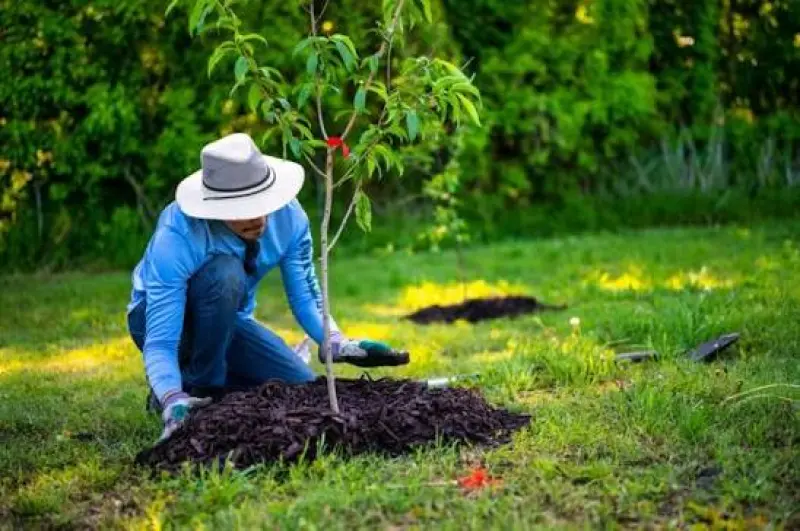
Nurturing Urban Giants: A Tree‑Care Journey from Roots to Canopy
A seasoned arborist shares hands‑on techniques for healthy roots, seasonal pruning, natural pest c... Read More
Top Posts
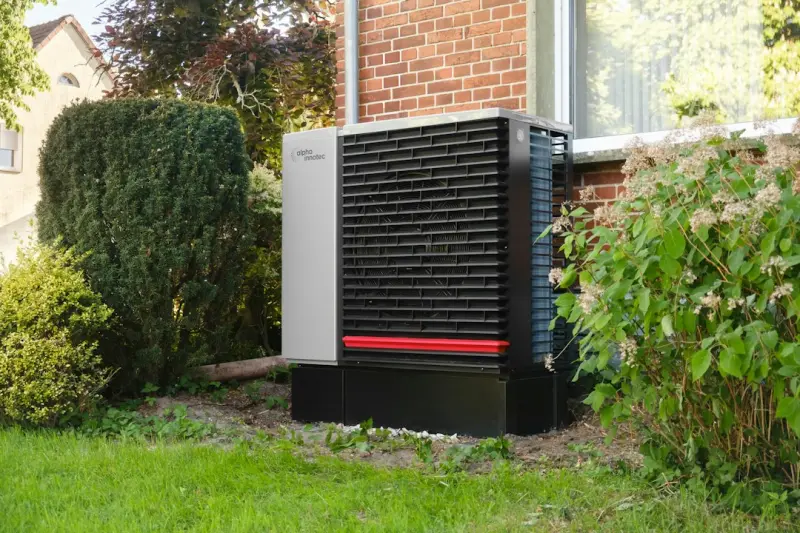
Hybrid Heat Pumps: Merging Renewable Power with Traditional HVAC for a Greener Future
Hybrid heat pumps combine modern renewable‑driven units with traditional backup heaters, delivering consistent comfort, lower utility bills, and reduced emiss...Read More

The Sustainable Revolution in Countertop Design: A Comprehensive Guide
Explore the intersection of sustainability and countertop design, highlighting eco-friendly materials, benefits, challenges, and opportunities in this rapidly e...Read More

Sustainable Woodworking: How Eco-Friendly Practices Are Changing the Game
Sustainable woodworking is a movement towards a more environmentally conscious and responsible way of creating. Learn how to adopt eco-friendly practices in you...Read More

Solar‑Powered Microgrids: A New Frontier for Commercial Real Estate
Discover the practical steps, financial incentives, and real‑world results of integrating solar energy into microgrids for commercial real estate, and learn h...Read More
0 Comments
Post Comment
You will need to Login or Register to comment on this post!