
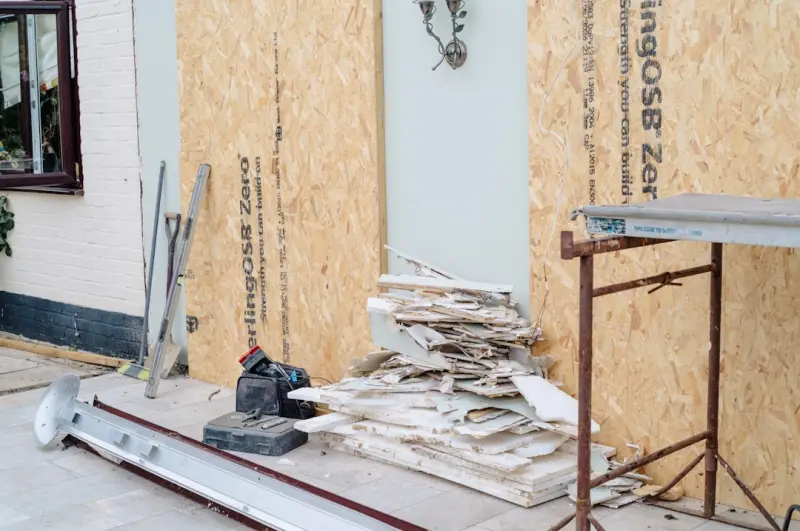
Why Drywall Isn’t Just a Blank Canvas Anymore
When I first stepped onto a new renovation site, the drywall panels looked like ordinary sheets of gypsum, but I quickly realized they’re the silent architects of a home’s durability, comfort, and even its environmental footprint. Over the years I’ve learned that the choice of drywall dictates how a wall will handle moisture, sound, and future upgrades, turning a simple partition into a performance‑driven system. This perspective drives every decision I make, from material selection to the finishing touches that define a space’s longevity.
Choosing Eco‑Friendly Boards Without Compromising Strength
Modern manufacturers now offer drywall made from recycled paper, fly‑ash, or even agricultural fibers, giving contractors a chance to reduce landfill waste while maintaining the rigidity needed for load‑bearing walls. I prioritize panels that carry third‑party certifications for low VOC emissions, because the air quality inside a home is just as important as the structural integrity of its walls. By opting for these greener alternatives, you not only earn a modest “green” credit on your project budget but also future‑proof the house against tightening environmental regulations.
Integrating Moisture Management the Smart Way
One of the most common pitfalls I’ve seen is ignoring the wall’s relationship with humidity, especially in basements or bathroom enclosures where water intrusion is inevitable. Pairing moisture‑resistant drywall with a vapor barrier—installed correctly—creates a dual shield that prevents mold growth and preserves the board’s structural core; this approach aligns perfectly with the principles outlined in Dynamic Weatherproofing. The key is to seal all seams, use water‑proof tape, and double‑check that any penetrations are properly flashed before the joint compound goes on.
Boosting Acoustic Performance Without Adding Bulk
Open‑plan living spaces demand quiet, and traditional drywall alone often fails to dampen footfall or conversation bleed. I now incorporate resilient channels or sound‑isolating clips between the studs and the panels, creating a decoupled system that absorbs vibrations and dramatically improves STC ratings. This technique is surprisingly cost‑effective; a handful of clips per wall can outperform a double‑layer of standard board while keeping ceiling heights intact.
Fastening Techniques That Keep Walls Tight for Decades
Even the best drywall will sag or crack if it isn’t anchored correctly, and many DIYers overlook the importance of screw spacing and head depth. I follow a staggered‑screw pattern, driving each fastener just enough to create a slight dimple without crushing the paper facing—this prevents the board from “popping” later on. When you combine this disciplined fastening with a thorough inspection for hidden issues—like warped studs or rusted nails—you’ll avoid costly repairs, a concept echoed in Spotting Hidden Home Issues.
Finishing Strategies: From Skim Coat to Textured Finish
The final look of a wall depends heavily on how you apply joint compound, and I’ve found that a thin skim coat followed by a light sanding creates a smoother substrate for paint than the traditional “mud‑and‑tape” method. For rooms where texture adds character, a subtle “knock‑down” finish can hide minor imperfections while still providing a modern aesthetic. Regardless of style, always prime the drywall with a low‑odor, high‑adhesion primer to lock in the finish and protect against future stains.
Tool Kit Essentials That Save Time and Money
Investing in a quality drywall lift, a flexible taping knife, and a battery‑powered screw gun can shave hours off a project and dramatically improve precision, especially on ceilings. I also keep a small selection of specialty sanders for feather‑edging joints; they produce a feather‑light dust cloud compared to traditional sanding blocks. By maintaining these tools and replacing worn bits promptly, you avoid the hidden cost of re‑doing work due to uneven seams or over‑driven screws.
The Future of Walls: Smart Panels and 3D‑Printed Solutions
Imagine a wall that not only separates rooms but also monitors temperature, humidity, and structural stress—today’s prototype smart drywall panels embed sensors directly into the gypsum core, sending real‑time data to your home automation hub. Meanwhile, 3D‑printed drywall composites allow for custom thicknesses and integrated channels for wiring, reducing the need for post‑install retrofits. While still emerging, these innovations promise to transform drywall from a passive barrier into an active component of a resilient, intelligent home.

Tom Ferguson is a Canadian freelance writer with a passion for storytelling, current events, and thoughtful commentary. Drawing on years of writing experience, he shares engaging insights on a wide range of topics, bringing a uniquely Canadian perspective to his work.
Related Posts
Beyond the Wall: Mastering Modern Drywall Techniques
A deep dive into contemporary drywall practices, covering eco‑friendly materials, acoustic solutio... Read More
The Art of Drywalling: A Comprehensive Guide
Drywalling is a crucial step in construction and renovation, providing a smooth surface for painting... Read More

The Evolution of Sustainable Drywalling: A Comprehensive Guide
Sustainable drywalling involves the use of eco-friendly materials, techniques, and practices that mi... Read More
Top Posts
From Backyard Shed to Sustainable Sanctuary: My Hands‑On Guide
Learn how I turned a basic backyard shed into a versatile, eco‑friendly retreat—covering location, materials, solar power, comfort, and future‑proofing st...Read More
Adaptive Tile Systems: Merging Aesthetics, Data, and Durability
Tiles are evolving from static décor to intelligent platforms. This post reveals how modular installation, embedded sensors, and innovative materials turn floo...Read More

From Storage to Sanctuary: Reimagining Your Backyard Shed
Learn step‑by‑step how to repurpose a simple shed into a stylish, multi‑purpose sanctuary, blending comfort, sustainability, and personal flair for any li...Read More
Silent Walls: The Rise of Acoustic Wallpaper in Modern Interiors
Acoustic wallpaper offers a thin, design‑forward solution that absorbs noise while enhancing interior aesthetics, providing measurable productivity gains and ...Read More
0 Comments
Post Comment
You will need to Login or Register to comment on this post!