

The Evolution of Sustainable Drywalling: A Comprehensive Guide
As the world becomes increasingly aware of the importance of sustainability, various industries have begun to adopt eco-friendly practices. The drywalling industry is no exception. Traditional drywalling methods often involve the use of materials that are not environmentally friendly, but sustainable drywalling practices are changing the game. In this article, we will explore the evolution of sustainable drywalling, its benefits, and how it can be incorporated into your next project.
Sustainable drywalling involves the use of eco-friendly materials, techniques, and practices that minimize waste and reduce the environmental impact of the construction process. One of the key materials used in sustainable drywalling is recycled drywall. Recycled drywall is made from post-consumer drywall waste that is collected, processed, and turned into new drywall products. This approach not only reduces waste but also conserves natural resources.
Sustainable practices in drywalling also involve the use of sustainable materials such as bamboo and reclaimed wood. Bamboo is a highly renewable resource that is durable, resistant to pests and decay, and has a lower carbon footprint compared to traditional wood products. Reclaimed wood, on the other hand, is salvaged from old buildings, barns, and other structures, reducing the need for new lumber and preserving the history of the original structure.
In addition to using sustainable materials, sustainable drywalling practices also focus on minimizing waste and reducing the environmental impact of the construction process. This can be achieved through careful planning, efficient use of materials, and implementing recycling programs. For example, drywall manufacturers can implement take-back programs to collect and recycle drywall waste, reducing the amount of waste that ends up in landfills.
The Benefits of Sustainable Drywalling
The benefits of sustainable drywalling are numerous. One of the most significant advantages is reduced environmental impact. Sustainable drywalling practices minimize waste, reduce the use of non-renewable resources, and promote eco-friendly materials. This approach not only benefits the environment but also improves indoor air quality and reduces the risk of health problems associated with traditional drywalling materials.
Another benefit of sustainable drywalling is cost savings. Sustainable materials and practices may seem more expensive upfront, but they can lead to significant cost savings in the long run. For example, using recycled drywall can reduce the need for new materials, lowering costs and minimizing waste. Additionally, sustainable drywalling practices can improve energy efficiency, reducing heating and cooling costs and minimizing the need for repairs.
Sustainable Drywalling Materials
There are several sustainable drywalling materials available on the market today. Some of the most popular options include:
- Recycled drywall: Made from post-consumer drywall waste, recycled drywall is a sustainable alternative to traditional drywall products.
- Bamboo drywall: Bamboo is a highly renewable resource that is durable, resistant to pests and decay, and has a lower carbon footprint compared to traditional wood products.
- Reclaimed wood drywall: Reclaimed wood is salvaged from old buildings, barns, and other structures, reducing the need for new lumber and preserving the history of the original structure.
- Low-VOC drywall: Low-VOC (volatile organic compound) drywall is made with materials that emit fewer VOCs, improving indoor air quality and reducing the risk of health problems.
Incorporating Sustainable Drywalling into Your Next Project
Incorporating sustainable drywalling into your next project is easier than you think. Here are a few tips to get you started:
- Choose sustainable materials: Look for eco-friendly drywalling materials such as recycled drywall, bamboo drywall, and reclaimed wood drywall.
- Minimize waste: Plan carefully to minimize waste, and consider implementing recycling programs to reduce the amount of waste that ends up in landfills.
- Work with sustainable drywalling professionals: Look for professionals who specialize in sustainable drywalling practices and can provide guidance on the best materials and techniques for your project.
Sustainable practices in drywalling are not only good for the environment, but also for your health and wallet. By incorporating eco-friendly materials and techniques into your next project, you can reduce waste, improve indoor air quality, and save money in the long run.
The Future of Sustainable Drywalling
The future of sustainable drywalling looks bright. As the demand for eco-friendly materials and practices continues to grow, manufacturers are developing new and innovative products that are both sustainable and cost-effective. For example, some manufacturers are developing drywall products made from plant-based materials such as hemp and flax.
In addition to new materials, sustainable drywalling practices are also being integrated into building design and construction. Architects and builders are incorporating sustainable drywalling practices into their designs, creating buildings that are not only eco-friendly but also healthy and sustainable.
Conclusion
Sustainable drywalling is a game-changer for the construction industry. By incorporating eco-friendly materials and practices into your next project, you can reduce waste, improve indoor air quality, and save money in the long run. As the demand for sustainable materials and practices continues to grow, manufacturers are developing new and innovative products that are both sustainable and cost-effective. Whether you're a homeowner, builder, or architect, sustainable drywalling is an approach worth considering.
In conclusion, sustainable drywalling is not just a trend, but a necessary step towards a more sustainable future. By choosing eco-friendly materials, minimizing waste, and working with sustainable drywalling professionals, you can make a positive impact on the environment and create healthier, more sustainable buildings.
The sustainable drywalling revolution is here to stay, and it's up to us to join the movement. Let's work together to create a more sustainable future, one drywall at a time.

Lifan Chen is a freelancer based in Toronto specializing in marketing. With expertise in crafting effective marketing strategies and campaigns, Lifan helps businesses grow their brand presence and reach target audiences. As a Toronto-based freelancer, Lifan combines local market insights with creative marketing skills to deliver tailored solutions for clients.
Related Posts
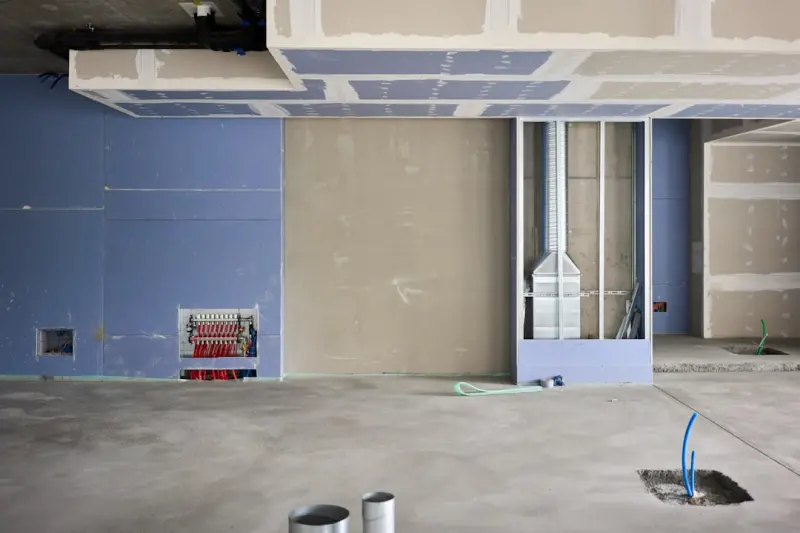
Beyond the Board: Mastering Sustainable Drywall Techniques
Learn how to choose, install, and maintain sustainable drywall, integrating smart wiring and eco‑f... Read More
Elevating Drywall: Integrating Sensors and Sustainable Materials for Modern Buildings
This article explores how drywall can evolve beyond a simple finish by embedding sensors and using s... Read More

Reinventing Drywall: High‑Performance Walls for Comfort, Efficiency, and Smarts
Discover a fresh approach to drywall that integrates acoustic backing, reflective insulation, recycl... Read More
Top Posts
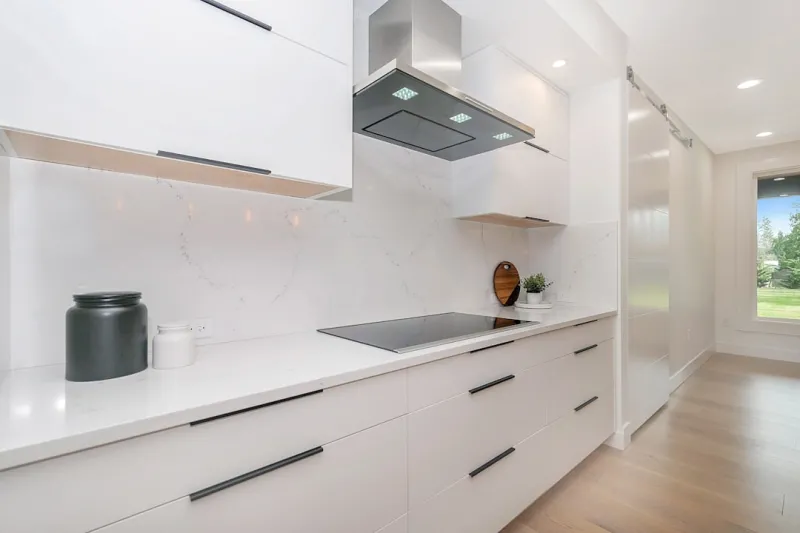
A Sustainable Kitchen Renovation That Feels Like Home
A personal, step‑by‑step guide to a sustainable kitchen remodel, blending reclaimed materials, smart appliances, and cozy design for a space that’s both b...Read More
Warmth Beneath the Feet: How Radiant Floor Heating Elevates Comfort and Sustainability
Radiant floor heating offers consistent warmth, lower energy use, and health advantages. Learn how smart controls, sustainable integration, and thoughtful desig...Read More
Reimagining Commercial Renovations: From Legacy to Living Assets
A deep dive into modern commercial renovation strategies, highlighting human‑centered design, circular sustainability, AI‑driven planning, and exterior revi...Read More

The Sustainable Awning Revolution: A Game-Changer for Homeowners
Sustainable awnings offer a stylish and practical way to reduce energy consumption and environmental impact. Learn about the benefits, trends, and innovations i...Read More
0 Comments
Post Comment
You will need to Login or Register to comment on this post!