
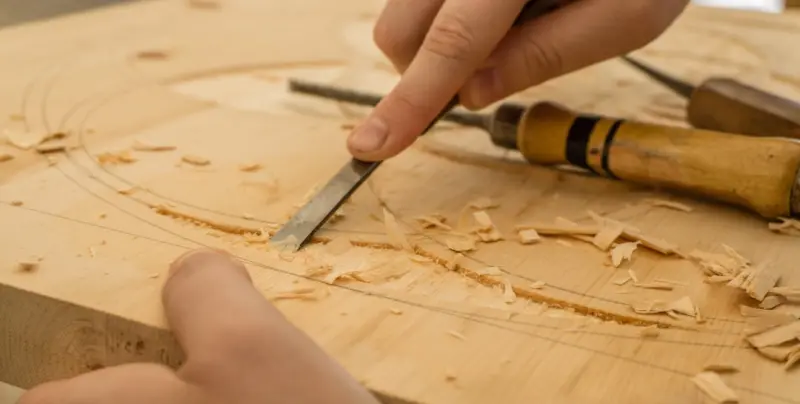
Why Woodworking Can Be Your Next Mindfulness Practice
When I first walked into a modest workshop two decades ago, the scent of fresh‑cut timber was more than a pleasant aroma—it was a signal that I was entering a space where time slows down and thoughts become tangible. Over the years, I’ve watched the craft evolve from a hobbyist’s weekend escape to a powerful tool for mental clarity, workplace well‑being, and even community building. In this post, I’ll share how mindful woodworking can become a daily ritual that sharpens focus, nurtures creativity, and yields objects that carry personal meaning.
What Does “Mindful Woodworking” Actually Mean?
Mindfulness is often described as paying full attention to the present moment without judgment. In the context of woodworking, it translates to a deliberate, sensory‑rich engagement with each cut, plane, and joint. It’s not about rushing to finish a project; it’s about feeling the grain, listening to the whirr of the saw, and observing how the material responds to your touch. When practiced consistently, this tactile meditation can quiet the mental chatter that plagues many of us in today’s hyper‑connected world.
The Science Behind the Sawdust
Research in occupational therapy and cognitive psychology consistently shows that hands‑on, goal‑oriented activities can lower cortisol levels, improve attention span, and boost dopamine—the neurotransmitter linked to reward and motivation. A study published in the Journal of Occupational Health found that participants who spent just one hour a week on woodworking reported a 30% reduction in perceived stress. The rhythmic motion of sanding, the visual feedback of a clean cut, and the satisfaction of a perfect joint all create a feedback loop that trains the brain to stay present.
Choosing the Right Project for Your Mindset
Not every woodworking project is created equal when it comes to fostering mindfulness. Here are three categories to consider, each aligned with a different mental state:
- Simple Repetitive Tasks – Think sanding a flat panel or planing a board. The repetitive motion helps anchor attention and is ideal for beginners looking to cultivate a meditative rhythm.
- Creative Problem‑Solving – Designing a custom joinery system or a modular storage unit pushes you to think in three dimensions, encouraging flow states where time seems to disappear.
- Reflective Restoration – Reviving an old piece of furniture can be emotionally resonant, turning a relic of the past into a living artifact. (If you’re curious about deep restoration methods, see Furniture restoration techniques for inspiration.)
Tools as Extensions of the Body
In a world that celebrates digital efficiency, it’s easy to overlook the intimacy of hand tools. A well‑sharpened chisel, a smooth‑bore drill, or a humble hand saw can become extensions of your forearm, providing instant tactile feedback that no CNC machine can replicate. Yet, technology still has a place. When I integrate CNC and handcraft synergy into my workflow, I reserve the machine for precise, repeatable cuts and rely on hand tools for the finishing touches that demand a personal touch.
Setting Up a Mindful Workspace
Before you dive into the first cut, curate an environment that supports focus:
- Lighting – Natural light is ideal. Position your workbench near a window to let daylight illuminate the grain and reduce eye strain.
- Soundscape – Some prefer silence, while others find gentle background music or nature sounds helpful. Choose what makes the hum of the tools feel soothing rather than intrusive.
- Ergonomics – A comfortable stool, a sturdy bench at waist height, and proper tool placement prevent physical fatigue, allowing mental clarity to persist longer.
- Clutter‑Free Zone – Keep only the tools you need for the current project within arm’s reach. A tidy workspace reduces decision fatigue and encourages a calm mindset.
The Ritual of Preparation
Mindful woodworking begins long before the first cut. Follow this simple three‑step ritual to prime your mind:
- Grounding Breath – Stand beside your workbench, inhale deeply for four counts, hold for two, and exhale for six. Repeat three times to settle into the space.
- Material Inspection – Run your fingers over the wood, feeling for knots, grain direction, and moisture variations. This tactile survey turns the raw board into a character you’ll work with, not just a piece of material.
- Tool Check – Verify that blades are sharp, bits are secured, and safety gear is in place. Knowing your tools are ready eliminates anxiety about accidents.
Embedding Mindfulness Into Each Step
Below is a step‑by‑step guide that infuses awareness into a typical small‑scale project, such as building a minimalist coffee table:
1. Designing with Intent
Sketch your design on paper first. This slows you down and encourages visualizing the final piece. Ask yourself: “What story does this table tell? How will its lines interact with the room’s existing energy?”
2. Selecting the Wood
Choose boards that resonate with you—perhaps a warm maple with a subtle curl or a reclaimed pine with history. Notice the scent, the weight, the way light dances across the surface. Document these observations; they become part of the piece’s narrative.
3. Cutting with Presence
Set the blade depth, align the guide, and take a moment to breathe. As the saw engages, focus solely on the cut—listen to the engine, watch the shavings, and feel the vibration through the handle. If your mind wanders, gently bring it back to the motion.
4. Sanding as Meditation
Sand each face with progressively finer grits. The repetitive motion is akin to a mantra. Notice the transformation from rough to smooth, and let the tactile feedback signal your progress.
5. Joinery—The Heartbeat of the Piece
Whether you opt for a simple mortise‑and‑tenon or a more complex dovetail, take your time aligning each joint. The precision required forces you into a state of deep concentration, a natural conduit for mindfulness.
6. Finishing with Reflection
Apply a finish—oil, lacquer, or wax—slowly, watching the wood absorb the product. As the finish dries, observe how the color deepens and the grain comes alive. This is the moment where the craft and the creator truly merge.
Mindful Woodworking in a Commercial Setting
Beyond personal studios, many businesses are incorporating woodworking into employee wellness programs. A weekly “Craft Hour” can reduce burnout, improve teamwork, and foster a culture of hands‑on problem solving. Companies can set up modular workstations that double as collaborative zones, allowing staff to switch from screen‑based tasks to tactile creation, thereby resetting mental fatigue.
Sharing the Experience: Community Workshops
One of the most rewarding aspects of mindful woodworking is the community it builds. Hosting a local workshop—whether in a community center or a shared maker space—creates a safe environment for novices and seasoned craftsmen alike to exchange techniques, stories, and encouragement. These gatherings become incubators for sustainable practices, as participants often trade reclaimed wood, share tool tips, and collectively explore environmentally friendly finishes.
Overcoming Common Barriers
Many aspiring woodworkers cite lack of time, space, or expertise as obstacles. Here are practical solutions:
- Time – Start with micro‑projects that can be completed in 30‑minute sessions, such as a wooden coaster or a simple picture frame.
- Space – Use a fold‑away workbench and portable tool kit. A small, well‑organized corner can become a fully functional studio.
- Expertise – Leverage online tutorials, local guilds, or mentorship programs. Remember, the aim is progress, not perfection.
Measuring the Impact
Tracking the benefits of mindful woodworking can reinforce the habit. Consider keeping a simple journal:
- Note the project and time spent.
- Record mood before and after the session.
- Highlight any insights or creative ideas that emerged.
Over weeks and months, patterns will emerge, often showing increased focus, reduced stress, and a greater sense of accomplishment.
Conclusion: Crafting More Than Wood
Mindful woodworking is an invitation to slow down, engage fully, and create objects that carry personal significance. By treating each cut, plane, and finish as a moment of presence, you transform a simple hobby into a practice that nurtures mental health, fuels creativity, and builds community. Whether you’re a seasoned cabinetmaker or someone looking for a new way to unwind after a long day, the workshop offers a sanctuary where mind and material intertwine.

Lifan Chen is a freelancer based in Toronto specializing in marketing. With expertise in crafting effective marketing strategies and campaigns, Lifan helps businesses grow their brand presence and reach target audiences. As a Toronto-based freelancer, Lifan combines local market insights with creative marketing skills to deliver tailored solutions for clients.
Related Posts
The Art of Woodworking: A Comprehensive Guide to Creating Beautiful Pieces
Woodworking is a timeless craft that involves creating beautiful and functional pieces of furniture,... Read More

From Scrap to Spotlight: Crafting Upcycled Wood Masterpieces
A deep‑dive into the art of upcycling vintage timber, offering practical sourcing tips, hand‑too... Read More
The Hand Plane Revival: Crafting Precision in a Digital Age
Discover how the humble hand plane bridges traditional craftsmanship with modern technology, offerin... Read More
Top Posts

How Living Walls Transform Home Health and Productivity
Living walls turn ordinary walls into thriving ecosystems, offering space‑saving greenery, cleaner air, and a measurable boost to wellbeing and productivity....Read More
The Foundation of Sustainable Construction: Why Energy Inspections Matter
Energy inspections play a vital role in ensuring that buildings are energy-efficient and environmentally responsible. Learn why energy inspections matter in sus...Read More

The Hidden World of Carpet Cleaning: A Comprehensive Guide
Learn about the often-overlooked world of carpet cleaning and its critical role in maintaining indoor air quality and household hygiene....Read More

Harvesting Sunlight at Scale: A Playbook for Energy‑Forward Enterprises
Solar is no longer a niche add‑on; it’s a strategic platform that can reduce costs, boost resilience, and enhance brand equity. This playbook shows executiv...Read More
0 Comments
Post Comment
You will need to Login or Register to comment on this post!