
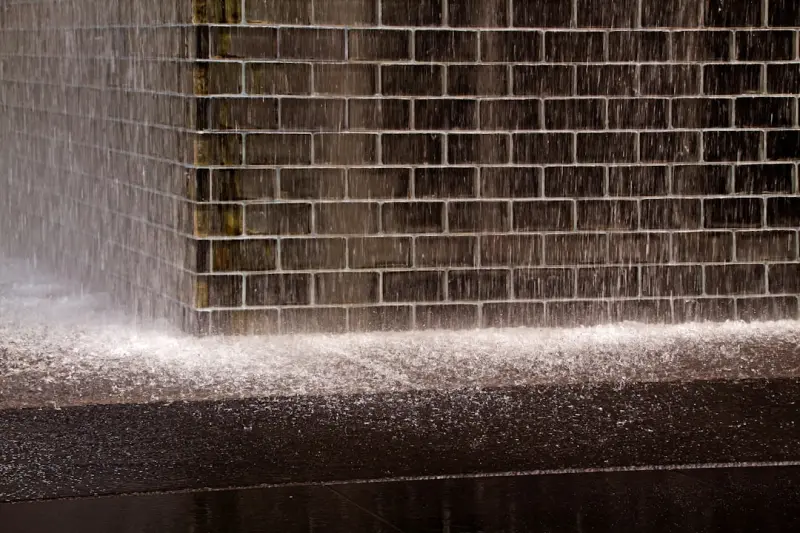
Beyond the Leak: Redefining Waterproofing for Resilient Spaces
When I first stepped onto a rooftop garden that felt more like a wet sponge than a sanctuary, I realized something profound: waterproofing isn’t just about keeping water out—it’s about orchestrating how moisture interacts with every material, surface, and occupant in a building. The traditional narrative frames waterproofing as a defensive, after‑the‑fact measure, a hidden layer of tar or sheet that we hope never sees the light of day. But in today’s climate‑aware, health‑first design world, that mindset limits both performance and imagination.
In this article I’m pulling back the curtain on a more holistic approach. We’ll explore how moisture management can be woven into the very fabric of architecture, how emerging materials turn the old “wet barrier” into a dynamic, breathable system, and why a strategic waterproofing plan is now as essential to a building’s value proposition as its structural integrity or aesthetic appeal.
1. The Hidden Costs of Ignoring Moisture
Before diving into solutions, let’s confront the problem head‑on. Water intrusion is silent but ruthless. It can:
- Compromise structural members – prolonged exposure to moisture weakens wood, corrodes steel, and encourages concrete spalling.
- Harbor mold and bacteria – indoor air quality suffers, leading to health complaints that can translate into liability for owners.
- Devalue assets – even minor leaks can erode market confidence, making resale or leasing more challenging.
- Increase operational costs – drying, remediation, and insurance claims add up quickly.
Most facility managers treat waterproofing as a checklist item, but the data shows it’s a leading cause of unexpected maintenance budgets. When we shift the conversation from “preventing leaks” to “designing with moisture”, we open doors to smarter, more resilient outcomes.
2. From Barrier to Breathable Skin
Imagine a building’s envelope as a living organism. Its skin needs to keep harmful agents out while allowing beneficial exchanges—like a human skin that sweats to regulate temperature. Modern waterproofing is moving toward this “breathable skin” concept, where selective permeability lets moisture evaporate without compromising protection.
Key technologies include:
- Hydro‑phobic yet vapor‑permeable membranes – engineered to repel liquid water while allowing water vapor to escape, reducing condensation risks.
- Phase‑change materials (PCMs) – embedded in wall assemblies, PCMs absorb excess humidity and release it when conditions normalize.
- Self‑healing polymers – micro‑capsules that release sealant when a micro‑crack forms, extending the lifespan of the barrier.
These innovations turn waterproofing from a static shield into an active participant in the building’s environmental balance.
3. Integrating Waterproofing Early in the Design Process
One of the biggest missteps is retrofitting waterproofing after structural decisions have been locked in. Instead, I advocate for a “moisture‑first” design sprint:
- Site analysis – map groundwater tables, wind‑driven rain patterns, and micro‑climates that affect a project.
- Material selection – choose façade panels, sealants, and insulation that complement the intended vapor flow.
- Joint detailing – design flashing, expansion joints, and sealant profiles that accommodate movement without breaking.
- Performance modeling – simulate moisture migration under varying humidity and temperature cycles to predict risk zones.
When waterproofing is baked into the conceptual model, you avoid costly re‑work and can align the envelope’s performance with sustainability goals, such as LEED credits for indoor environmental quality.
4. The Role of Intelligent Masonry in Moisture Management
Speaking of materials, Intelligent Masonry offers a compelling case study. Traditional brickwork, while durable, often traps moisture behind it, leading to hidden decay. New generations of masonry incorporate built‑in channels and capillary breaks that guide water back out, while still delivering the aesthetic heft architects love.
These “smart” blocks can be paired with breathable renders and vapor‑permeable sealants, creating a wall system that actively redirects moisture away from the interior. The result is a façade that looks timeless but behaves like a modern skin—resilient, adaptable, and low‑maintenance.
5. Foundations That Think: A Moisture‑Centric Perspective
Water never respects a building’s aesthetic ambitions; it finds the path of least resistance, often through the foundation. That’s why a proactive approach to the slab and footing is essential. The insights from Foundations That Think emphasize integrating waterproofing with structural design rather than treating them as afterthoughts.
Key strategies include:
- Integral waterproofing admixtures – added directly to concrete mixes, reducing permeability from the inside out.
- Drainage mats and geo‑grids – create a controlled pathway for groundwater to flow away from the building envelope.
- Capillary break layers – thin polymer sheets that interrupt moisture wicking between concrete and soil.
By coordinating these elements early, you can achieve a foundation that not only supports weight but also manages water with the same precision as a well‑tuned HVAC system.
6. Beyond the Basement: Waterproofing All Building Zones
While basements and rooftops get most of the attention, moisture can infiltrate any zone:
- Balconies and terraces – improper slope or inadequate joint sealing can allow water to seep into underlying slabs.
- Window and door perimeters – flashing failures often become the entry point for rain.
- Interior partitions – in humid climates, vapor diffusion can accumulate behind drywall, causing rot.
A comprehensive waterproofing program audits each of these zones, applying the appropriate membrane type, sealant, and detailing. Think of it as a health check‑up for the building’s circulatory system.
7. Health Implications: Moisture, Mold, and Occupant Well‑Being
One area where waterproofing intersects directly with business outcomes is occupant health. Studies consistently link indoor mold exposure to respiratory issues, decreased productivity, and higher absenteeism. By preventing moisture intrusion, you safeguard not just the building’s envelope but also the people inside.
For facility managers, this translates to a tangible ROI: lower sick‑day rates, fewer workers’ compensation claims, and an enhanced reputation for a healthy work environment. When you can point to a proactive waterproofing strategy as the reason behind a drop in indoor air quality complaints, you’ve turned a traditionally “maintenance” function into a strategic advantage.
8. Sustainable Waterproofing Materials
Environmental stewardship is now a non‑negotiable criterion for many projects. Fortunately, the market offers several eco‑friendly waterproofing options:
- Bio‑based sealants – derived from plant oils, these reduce volatile organic compounds (VOCs) and have a smaller carbon footprint.
- Recycled rubber membranes – repurpose tire waste into flexible, durable sheets.
- Natural clay‑lime plasters – when correctly formulated, they provide vapor permeability while shedding rainwater.
Choosing sustainable materials aligns waterproofing with broader green building certifications, reinforcing a unified narrative of responsibility.
9. Monitoring Moisture Post‑Construction
Even the best design can encounter unforeseen conditions. Continuous moisture monitoring becomes a powerful feedback loop. Modern sensors can be embedded in wall cavities, slab edges, and roof decks, transmitting real‑time humidity data to a building management platform.
Benefits include:
- Early detection of leaks before visible damage occurs.
- Data‑driven maintenance scheduling, reducing unnecessary inspections.
- Performance verification for warranty claims and insurance assessments.
When you pair these sensors with predictive analytics, you can anticipate trouble spots based on seasonal trends, further reducing downtime.
10. Crafting a Water‑Smart Culture Within Your Organization
Technology alone won’t solve moisture challenges; people do. Building a water‑smart culture involves:
- Training – educate maintenance teams on proper sealant application, joint inspection, and sensor interpretation.
- Documentation – maintain a digital log of waterproofing details, warranty periods, and sensor thresholds.
- Cross‑functional collaboration – involve architects, engineers, and operations staff early to ensure alignment on moisture goals.
This collaborative mindset reduces the “silo” effect that often leads to missed leaks and fragmented repairs.
11. Case Study: A Mixed‑Use Development that Turned Moisture into a Design Feature
One recent project I consulted on re‑imagined its waterproofing as a visual and functional element. The façade incorporated a thin, translucent membrane that subtly reflected daylight while acting as a rain barrier. Inside, the atrium featured a sloped, exposed concrete slab with integrated drainage channels that became an aesthetic “water runway” during rainstorms—a kinetic art piece that also protected the structure.
Key takeaways:
- Integrating waterproofing with design can elevate brand perception.
- Transparent communication with stakeholders helped secure budget approval for higher‑performance membranes.
- Post‑occupancy monitoring showed a 40% reduction in moisture‑related maintenance tickets compared to similar buildings.
12. Future Trends: Smart Waterproofing Systems
Looking ahead, the convergence of IoT, AI, and advanced materials promises “smart” waterproofing systems that autonomously adapt:
- Responsive membranes that change permeability based on humidity levels.
- Self‑diagnosing sealants that change color when degradation begins, signaling maintenance needs.
- AI‑driven risk models that prioritize inspections based on historical data and weather forecasts.
While many of these technologies are still emerging, early adopters will reap the benefits of reduced downtime, lower lifecycle costs, and a stronger sustainability narrative.
13. Actionable Checklist for Your Next Project
To bring these concepts to life, use the following checklist during the planning phase:
- Conduct a thorough site moisture audit (groundwater, prevailing winds, precipitation patterns).
- Select breathable membranes and vapor‑permeable sealants that match climate conditions.
- Integrate moisture sensors into critical zones (basement walls, roof decks, balcony joints).
- Coordinate waterproofing details with structural engineers to avoid conflict with movement joints.
- Choose sustainable material options where possible, documenting their performance credentials.
- Develop a maintenance schedule based on sensor data thresholds and manufacturer recommendations.
- Train the operations team on sensor dashboards, inspection protocols, and emergency response.
By following this roadmap, you’ll shift waterproofing from a hidden afterthought to a visible, value‑adding component of your building’s overall strategy.
Conclusion: Embrace Moisture as a Design Partner, Not an Enemy
Water isn’t inherently the villain of the built environment; it’s a natural element that, when respected, can coexist with architecture in a harmonious dance. By rethinking waterproofing as a dynamic, breathable, and data‑informed system, you protect the structure, improve occupant health, and unlock new design possibilities that differentiate your projects in a competitive market.
So the next time you see a rainstorm rolling in, don’t just hope your building stays dry—celebrate the science, materials, and collaborative processes that make that confidence possible. Waterproofing, when done right, is not a silent, invisible shield—it’s a vibrant, living layer that empowers your building to thrive, rain or shine.

When it comes to the world of blogging and writing, Rose DesRochers is a name that stands out. Her passion for creating quality content and connecting with her audience has made her a trusted voice in the industry. Aside from her skills as a writer and blogger, Rose is also known for her compassionate nature.
Related Posts
Waterproofing as a Strategic Asset: Data‑Driven Protection for Modern Facilities
Explore how integrating moisture sensors, AI analytics, and modular barrier systems transforms water... Read More
Beyond the Basement: Mastering Waterproofing for Long‑Term Home Health
A seasoned renovator shares a step‑by‑step, future‑focused guide to waterproofing basements us... Read More
Sustainable Waterproofing: Green Solutions for Long‑Lasting Home Protection
Explore how eco‑friendly waterproofing can safeguard your home, lower your carbon footprint, and i... Read More
Top Posts
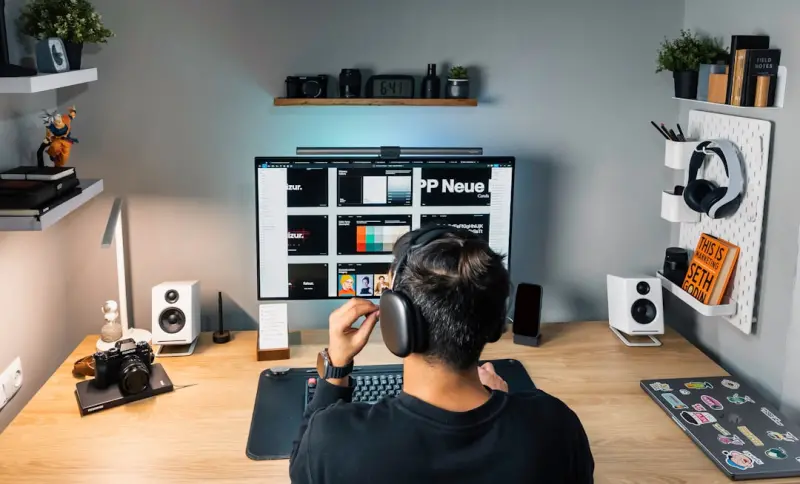
Turn Your Home into a Quiet Tech Haven: Everyday Hacks for Comfort and Efficiency
A practical guide to everyday home upgrades—from layered lighting and modular storage to simple air‑quality sensors—offering low‑cost, tech‑savvy hack...Read More
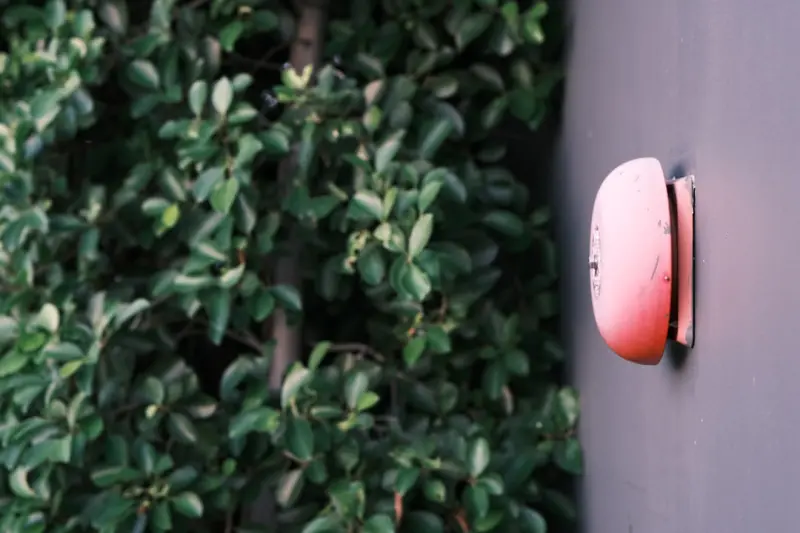
Redefining Home Security: From Alarm Bells to Smart Guardians
A fresh look at home alarm systems reveals how they evolve from simple sirens into smart, data‑driven guardians, boosting safety, convenience, and home value....Read More
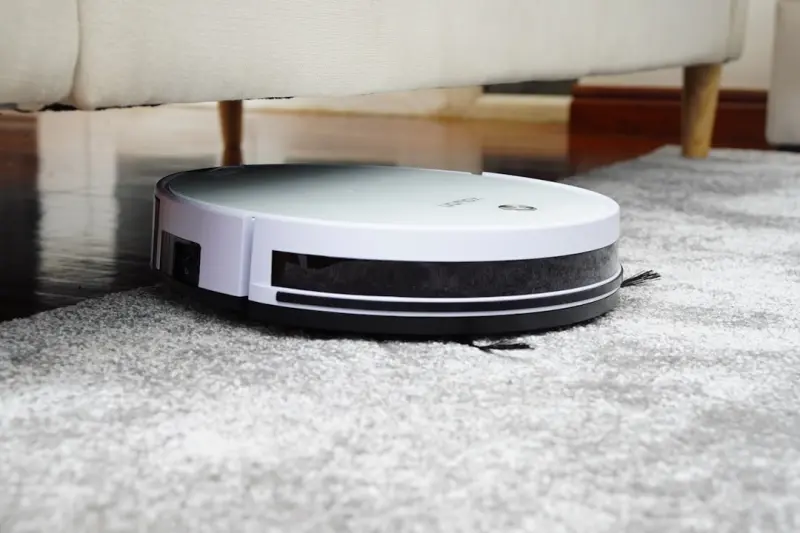
Smart Carpet Cleaning: Turning Routine Maintenance into a Business Advantage
Smart carpet cleaning transforms a routine task into a strategic asset. By using IoT sensors, AI analytics, and integrated building systems, businesses can impr...Read More

When Walls Talk: Harnessing Smart Paint and Color Science for a Healthier, More Productive Home
A deep dive into smart paint technology, health‑focused color choices, and practical tips for integrating tech‑savvy painting solutions into modern homes....Read More
0 Comments
Post Comment
You will need to Login or Register to comment on this post!