

Seeing the Unseen: How Augmented Reality Is Redefining Home Inspections
When I first stepped onto a roof with a drone hovering beside me, I realized that the old‑school checklist—roof, foundation, electrical, plumbing—was about to get a high‑tech makeover. The industry is buzzing with wearable headsets, 3D mapping, and sensor networks that turn a routine walkthrough into a data‑rich experience. This isn’t hype; it’s a tangible shift that’s already delivering clearer reports, faster turn‑arounds, and fewer surprise repairs for homeowners.
Why the Traditional Walkthrough Is No Longer Enough
For decades, home inspectors have relied on their trained eyes, a flashlight, and a notepad. While that method works, it leaves three major gaps:
- Contextual blind spots: A crack in a wall might look harmless until you see how it aligns with structural load paths.
- Documentation lag: Hand‑written notes must be transcribed later, increasing the chance of errors.
- Limited client communication: Most homeowners can’t visualize what “minor moisture intrusion” actually looks like in their own space.
Augmented reality (AR) and sensor fusion directly address each of these pain points. By layering digital information over the physical environment, inspectors can capture, analyze, and share insights in real time.
AR Overlays: Turning Data Into Visual Insight
Imagine pointing a headset at a wall and instantly seeing a heat map that highlights areas of moisture accumulation, or a 3‑D model that shows the exact depth of a foundation crack. AR platforms use foundation integrity scans, infrared imaging, and laser measurement to generate these overlays.
Key benefits include:
- Instant anomaly detection: The system flags deviations from baseline measurements, allowing the inspector to focus on problem zones.
- Enhanced accuracy: Measurements are captured with millimeter precision, eliminating the guesswork of manual tape measures.
- Rich reporting: The inspector can capture annotated screenshots that become part of a dynamic PDF, giving homeowners a visual narrative rather than a dry list.
Sensor Fusion: The Internet of Things Meets Inspection
AR is only half the story. The other half is a network of IoT sensors that continuously monitor the home’s health. These devices sit in attics, basements, and crawl spaces, measuring temperature, humidity, air quality, and even vibration.
When paired with AR, the inspector can pull live data into the headset. For example, while examining a duct system, the inspector can see real‑time air duct health metrics, spotting potential mold growth before it becomes visible.
Beyond the inspection day, homeowners receive a dashboard that alerts them to emerging issues, such as a rise in humidity that could signal a roof leak. This proactive model turns a one‑time inspection into an ongoing partnership.
Drones: Elevating Roof and Exterior Assessments
Roof inspections have always been risky. Climbing ladders in windy conditions adds danger and limits the inspector’s ability to get close‑up shots of shingles, flashing, or gutter seams. Drones equipped with high‑resolution cameras and LiDAR sensors fly over the roof, creating a point‑cloud model that can be examined from any angle in the AR headset.
Benefits include:
- Safety first: No more precarious ladder climbs.
- Comprehensive coverage: Even hard‑to‑reach valleys and skylights are captured.
- Historical comparison: By archiving LiDAR scans, you can track wear over years, providing homeowners with a clear timeline of roof health.
Electrical System Analysis: From Visual Checks to Data‑Driven Insights
Traditional electrical inspections focus on visible signs: frayed wires, overloaded circuits, and outlet functionality. While essential, these checks miss underlying issues like subtle voltage fluctuations or harmonic distortion that can shorten the lifespan of appliances.
Enter smart meters and portable power quality analyzers that feed data into the AR platform. As the inspector walks through the service panel, the headset displays live voltage, amperage, and harmonic readings. If the system deviates from normal thresholds, the inspector can instantly annotate the spot, and the homeowner receives a clear visual cue of where upgrades are needed.
For a deeper dive into how AI is already reshaping electrical diagnostics, see electrical system analysis.
Case Study: A Family Home’s Journey From “Okay” to “Optimized”
Last winter, a client hired me to perform a routine inspection on a 20‑year‑old ranch house. Using AR and sensor data, we uncovered three issues that would have been missed with a conventional walk‑through:
- Moisture pockets behind the drywall: Infrared imaging highlighted cool spots in the living room. A moisture sensor confirmed elevated levels, leading to targeted remediation before mold could develop.
- Micro‑cracks in the slab foundation: Laser scanning revealed crack widths of 0.4 mm—well below the visual detection threshold. The AR overlay suggested a targeted epoxy injection, saving the homeowner from a costly slab replacement.
- Undersized attic ventilation: Drone footage and airflow sensors showed stagnant air pockets, prompting the addition of vent louvers that improved energy efficiency by 8%.
The final report combined annotated AR snapshots, sensor trend graphs, and a 3‑D model that the homeowner could explore on a tablet. The family not only avoided $12,000 in unexpected repairs but also increased the property’s market appeal.
Implementing AR in Your Inspection Workflow
For inspectors ready to adopt this technology, here’s a practical roadmap:
- Invest in a mixed‑reality headset: Devices like the Microsoft HoloLens or Magic Leap offer robust developer ecosystems.
- Partner with a sensor vendor: Look for modular kits that include temperature, humidity, and air quality sensors.
- Adopt a data platform: Choose software that can ingest sensor streams, perform analytics, and feed results into the AR overlay.
- Train your team: Conduct hands‑on workshops to get comfortable with headset navigation, annotation tools, and data interpretation.
- Update your reporting template: Replace static PDFs with interactive reports that embed 3‑D models and live data visualizations.
Addressing Common Concerns
Cost: While headsets and sensor kits require upfront investment, the ROI is evident in higher inspection fees, reduced re‑inspection rates, and the ability to market a premium “tech‑enhanced” service.
Data privacy: All sensor data should be stored securely, with homeowner consent obtained before any collection. Use encrypted cloud services and provide clients with a clear data usage policy.
Learning curve: Start small—use AR for one part of the inspection (e.g., roof analysis) and expand as confidence grows. Many platforms offer guided tutorials and community forums.
The Future: Continuous Home Health Monitoring
Today’s inspection is a snapshot; tomorrow’s will be a living, breathing health record. As IoT devices become more affordable, we’ll see subscription‑based monitoring where a home’s structural, electrical, and environmental data are continuously logged. Homeowners could receive a quarterly “health score” that predicts maintenance needs, much like a car’s diagnostic system.
In this future, the inspector’s role evolves from a one‑time assessor to a trusted advisor who interprets trends, advises on preventative actions, and even coordinates repairs with vetted contractors. The synergy of AR, drones, and sensor fusion is the catalyst that will make this vision a reality.
Wrapping Up: Embrace the Tech, Preserve the Trust
Home inspection has always been about safeguarding a homeowner’s most valuable asset. By integrating augmented reality, drones, and IoT sensors, we amplify that protection, delivering clarity that was previously impossible. The technology is a tool—not a replacement for expertise. When paired with the seasoned eye of a professional inspector, it turns “good enough” inspections into truly insightful assessments.
If you’re a homeowner curious about how these innovations can protect your investment, or an inspector ready to level up your practice, the time to act is now. The tools are here; the future is waiting.

Lifan Chen is a freelancer based in Toronto specializing in marketing. With expertise in crafting effective marketing strategies and campaigns, Lifan helps businesses grow their brand presence and reach target audiences. As a Toronto-based freelancer, Lifan combines local market insights with creative marketing skills to deliver tailored solutions for clients.
Related Posts

Turning Home Inspection Findings into a Proactive Maintenance Roadmap
A home inspection is more than a one‑time checklist; it’s the foundation for a proactive mainten... Read More

Seeing Beyond the Surface: How Thermal Imaging Transforms Home Inspections
Thermal imaging lets inspectors see hidden leaks, insulation gaps, and electrical hotspots, turning ... Read More

The Home Inspector’s Hidden Checklist: Spotting Issues Before They Cost You
Learn how to uncover hidden home inspection pitfalls, from moisture intrusion to electrical safety, ... Read More
Top Posts

Green Paving: Building Sustainable Driveways and Walkways for the Modern Home
Explore the rise of green paving, from recycled aggregates to permeable designs, and learn how eco‑friendly surfaces boost durability, lower energy use, and p...Read More

Garage Transformation: Building a Smart, Sustainable Power Hub
Explore a fresh approach to garage construction that emphasizes a robust envelope, intelligent wall systems, and multifunctional design—turning a traditional ...Read More
The Countertop Conundrum: How to Choose, Care for, and Future‑Proof Your Kitchen Surface
A personal guide to picking the right countertop, balancing durability, sustainability, and resale value while staying ahead of trends....Read More
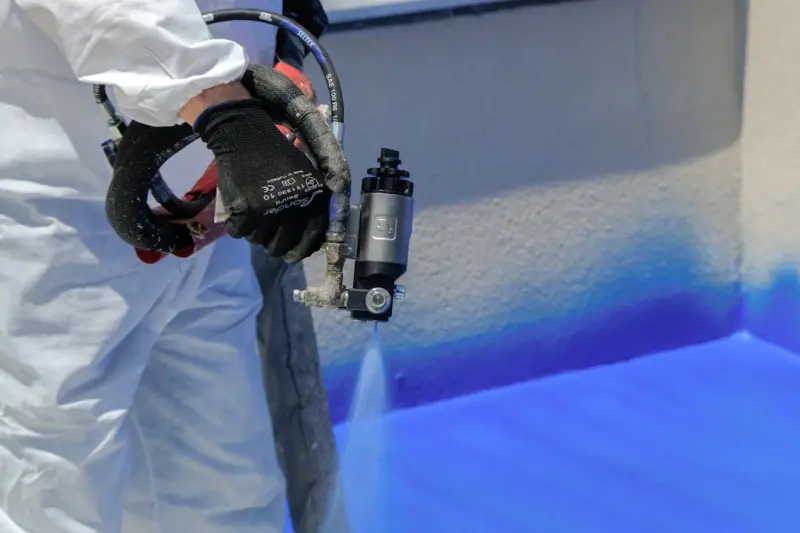
The Invisible Advantage: How Smart Insulation Is Redefining Building Performance
Insulation is evolving from a passive barrier to a data‑driven performance layer. Learn how advanced materials, embedded sensors, and AI control can cut energ...Read More
0 Comments
Post Comment
You will need to Login or Register to comment on this post!