

Why Tree Care Deserves a Seat at the Executive Table
When I first stepped onto a commercial property site, the towering oaks and slender maples weren’t just scenery—they were silent partners in the building’s performance. A well‑cared canopy can lower energy bills, improve tenant satisfaction, and even protect a roof from storm damage. Yet many property managers treat tree care as an afterthought, scheduling a trim only when a branch threatens to crash through a window. In this post I’ll walk you through a pragmatic, season‑by‑season roadmap that turns tree stewardship into a measurable asset, not a reactive expense.
The Business Case: Trees as Bottom‑Line Boosters
Think of a mature tree as a living piece of infrastructure. Its shade reduces cooling loads by up to 30 % on hot days, while its roots help manage storm‑water runoff, potentially lowering municipal fees. Moreover, research shows that green‑enhanced properties command higher rents and experience lower vacancy rates. By investing in systematic care, you’re not merely preserving aesthetics—you’re reinforcing the structural and financial health of the entire portfolio.
Seasonal Tree Care Checklist for Commercial Properties
Spring: Awakening the Canopy
- Inspection & Diagnosis – Walk the perimeter and look for winter damage: bark cracks, broken limbs, or fungal growth. Document findings with photos for future reference.
- Structural Pruning – Remove crossing branches and those growing at a narrow angle (<10°) to reduce the risk of future failure.
- Soil Aeration & Mulching – Loosen compacted soil around the drip line and apply a 2‑inch layer of organic mulch. This conserves moisture and encourages root respiration.
- Fertilization Timing – Apply a slow‑release, nitrogen‑rich fertilizer early in the season, just as buds break. Avoid over‑fertilizing; a balanced N‑P‑K ratio (10‑10‑10) works for most urban species.
Summer: Managing Heat Stress
- Deep Watering – Early morning irrigation penetrates to 12‑18 inches, supporting the root zone when evapotranspiration peaks.
- Pest Surveillance – Monitor for aphids, leaf‑miner larvae, and scale insects. Early intervention with horticultural oil or neem can prevent infestations from spiraling.
- Canopy Thinning – If a tree’s canopy is overly dense, selectively thin to improve air flow. This reduces fungal disease pressure and helps the tree dissipate heat.
- Safety Buffer Zones – Re‑establish clear zones around high‑traffic walkways and loading docks. Use temporary signage to keep pedestrians away from active pruning sites.
Fall: Preparing for the Cold
- Leaf Management – While leaves provide winter insulation, excessive buildup can trap moisture against the trunk, encouraging rot. Clear leaves from the base and ensure drainage.
- Structural Cabling Review – Inspect any installed cables or braces for wear. Replace or tighten as needed before freeze‑thaw cycles stress the tree.
- Root Zone Protection – Apply a thick mulch blanket (3‑4 inches) to guard roots from temperature fluctuations and frost heave.
- Final Pruning Pass – Remove any remaining deadwood or hazardous limbs that could become projectiles in winter storms.
Winter: The Quiet Maintenance Phase
- Visual Checks – Snow and ice can hide problems. Walk the site after a storm and note any broken branches or bark damage.
- Equipment Maintenance – Sharpen pruning tools, service chainsaws, and calibrate any measuring devices you use for future inspections.
- Data Review – Collate photos, notes, and service invoices from the year. Look for patterns: recurring pest hotspots, repeated structural issues, or cost spikes. This insight drives smarter budgeting for the next cycle.
Linking Tree Care to Sustainability Goals
Many organizations now publish ESG (Environmental, Social, Governance) reports, and trees are a low‑cost, high‑impact way to earn credibility. By documenting canopy acreage, carbon sequestration estimates, and storm‑water mitigation metrics, you can translate tree care into quantifiable ESG data. For property owners who have already embraced smart material innovations, integrating tree health data creates a holistic picture of the built environment’s performance.
Budgeting Tree Care: From Expense to Investment
It’s easy to view pruning, fertilization, and pest control as line‑item costs. Flip the perspective: calculate the return on greening. For example, a 15‑tree canopy that provides 10 % shade on a 20,000 sq ft roof can shave roughly 5 kWh per square foot annually. At an electricity rate of $0.12/kWh, that’s a $12,000 savings per year—often more than the cost of a comprehensive care contract.
Develop a multi‑year tree care budget that includes:
- Initial health assessment (often $200‑$400 per tree).
- Annual maintenance (pruning, fertilization, pest control) – $150‑$300 per tree.
- Capital improvements (cabling, root zone upgrades) – as needed.
Spread these costs over the expected service life of the trees (30‑50 years) and you’ll see a modest annual expense that delivers outsized returns in energy savings, property value uplift, and risk mitigation.
Choosing the Right Professional Partner
Not every arborist is created equal. Look for certifications such as ISA (International Society of Arboriculture) or a state‑licensed tree care contractor. Ask for case studies that demonstrate:
- Successful integration with building management systems.
- Proactive pest‑management plans that reduced chemical use by at least 20 %.
- Documented cost‑avoidance from storm‑damage prevention.
A partner who can speak the language of both horticulture and facilities management will help you avoid the “one‑size‑fits‑all” approach that plagues many generic maintenance contracts.
Leveraging Technology—Without Getting Lost in the Data
While the industry buzzes about smart tree care platforms, the best tech for most commercial portfolios is simple yet powerful: a mobile inspection app that captures photos, GPS coordinates, and health notes. Pair this with a cloud spreadsheet to track trends over time. The goal isn’t to build a data lake; it’s to create a living log that informs when to act and when to stand down.
Embedding Tree Care into Tenant Experience
Tenants notice when a property feels alive. Seasonal tree‑planting events, “adopt‑a‑tree” programs, or even a simple quarterly newsletter highlighting new growth can boost satisfaction scores. When tenants see that the landlord invests in green infrastructure, they’re more likely to renew leases and recommend the space to colleagues.
Case Study: Turning a Neglected Orchard into a Revenue‑Generating Asset
One of my clients managed a 10‑acre mixed‑use development with an abandoned fruit orchard. By applying the seasonal checklist, the owner:
- Removed hazardous limbs and revitalized soil health in spring.
- Installed drip irrigation and pest‑monitoring stations in summer.
- Harvested a modest crop in fall, selling produce at a weekend market.
- Used winter mulching to protect roots and prepared a promotional campaign for the next season.
Within two years, the orchard generated $15,000 in ancillary revenue, reduced storm‑water fees by $8,000, and increased overall property desirability. The ROI was evident not just on the balance sheet but also in community goodwill.
Putting It All Together: A Sample Annual Calendar
| Month | Key Actions |
|---|---|
| January | Equipment maintenance, post‑storm visual inspection. |
| February | Finalize annual budget, schedule professional assessment. |
| March | Structural pruning, soil aeration, mulch installation. |
| April | Fertilization, early pest scouting. |
| May | Deep watering, canopy thinning. |
| June | Intensive pest monitoring, safety zone signage. |
| July | Mid‑season water audit, adjust irrigation schedules. |
| August | Final pest treatments, prepare for leaf drop. |
| September | Leaf management, root zone mulch refresh. |
| October | Structural cabling check, final pruning. |
| November | Winterization of irrigation, data review. |
| December | Tenant communication, planning for next year. |
Conclusion: From Reactive to Proactive Tree Stewardship
Tree care is not a seasonal chore; it’s a strategic pillar of property performance. By embracing a disciplined, data‑light checklist, aligning with sustainability metrics, and partnering with qualified professionals, you can transform a canopy from a liability into a revenue‑enhancing, risk‑reducing asset. The next time you walk past that row of maples, remember: the health of those trees is a direct reflection of the health of your portfolio.

David MacKinnon is a dynamic freelance writer known for his captivating storytelling and keen insights into the world of technology. With a passion for exploring the intersection of innovation and everyday life, he crafts engaging narratives that not only inform but also inspire his readers.
Related Posts

Soil Symphony: Unlocking Hidden Tree Health with Underground Allies
Explore the unseen world beneath your trees—learn to read soil signals, boost microbial allies, an... Read More

Microclimate Mapping for Urban Trees: A DIY Guide to Proactive Care
A practical, data‑driven guide shows property managers and homeowners how to set up inexpensive se... Read More

Connected Canopies: Using IoT to Keep Urban Trees Healthy
A deep dive into connected tree care, showing how sensors, machine learning, and integrated workflow... Read More
Top Posts

Crafting the Perfect Fence: A Personal Journey into Design, Sustainability, and Function
Explore the art of fence building with a focus on sustainable materials, smart design, and long‑lasting maintenance, turning a simple boundary into a standout...Read More

The Hidden Benefits of a Proactive Carpet Cleaning Routine
Learn why regular, science‑backed carpet cleaning is essential for health, durability, and cost savings, and how to integrate eco‑friendly methods into your...Read More
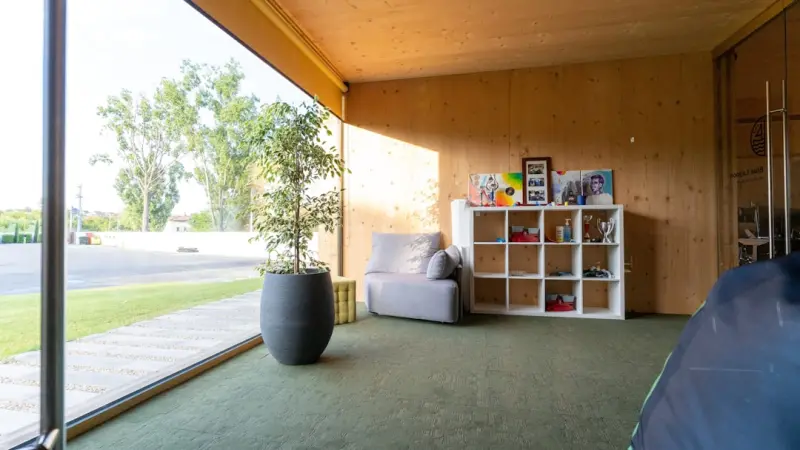
Sunrooms as Data‑Driven Wellness Pods: Merging Light, Sensors, and Ergonomics
Discover how to convert a traditional sunroom into a data‑driven wellness pod, using adaptive glass, environmental sensors, and ergonomic zones to enhance emp...Read More

When Clean Meets Green: Rethinking Carpet Care for a Healthier Home
Explore a data‑driven, low‑impact approach to carpet cleaning that reduces water use, eliminates harsh chemicals, and extends carpet life while improving in...Read More
0 Comments
Post Comment
You will need to Login or Register to comment on this post!