

Why Foundations Deserve a Fresh Narrative
When I first stepped onto a freshly‑poured slab, the smell of cement and the low hum of mixers felt like the opening chord of a symphony. Yet, for most developers and owners, foundations remain the silent hero—taken for granted, rarely celebrated, and even less often re‑imagined. In today’s construction landscape, where sustainability, speed, and resilience are non‑negotiable, the foundation can no longer be an afterthought. It must become a proactive platform that supports not just a building’s weight, but its data, its carbon goals, and its adaptability to tomorrow’s challenges.
The Old Paradigm: One‑Size‑Fits‑All Concrete
Historically, the go‑to solution has been a slab of reinforced concrete poured over compacted soil. It works—most of the time—but it also carries hidden costs:
- Carbon intensity: Portland cement production accounts for roughly eight percent of global CO₂ emissions.
- Site‑specific inefficiencies: A design that works in flat, dry Kansas may be over‑engineered for a coastal site prone to liquefaction.
- Limited lifecycle intelligence: Once cured, the foundation is a static, invisible slab. It rarely communicates its health back to owners or facility managers.
These drawbacks are the exact reasons we need a new story—a foundation that learns, breathes, and evolves.
Enter Smart Materials: From Waste to Wealth Below Ground
One of the most exciting shifts is the infusion of recycled and bio‑engineered aggregates into foundation mixes. While the Concrete Revolution explores how waste can become high‑performance concrete for walls and pavements, the same principles are now seeping down to the footing level.
Imagine a foundation mix that incorporates:
- Fly ash or slag: By‑product of steel production that reduces the cement ratio while enhancing durability.
- Recycled demolition aggregate: Crushed concrete from previous projects, cut down on virgin rock extraction.
- Mycelium‑based binders: Fungal mycelium that grows into a lightweight, carbon‑negative matrix, perfect for low‑load footings.
These materials do more than shrink the carbon footprint; they often improve workability, reduce heat of hydration (which means less cracking), and can be tailored to local supply chains, cutting transportation emissions.
Data‑Driven Foundations: Sensors, AI, and Predictive Health
What if the slab beneath your office could tell you when it’s about to settle, when moisture is creeping in, or when a nearby excavation is stressing it? That’s the promise of embedded sensor networks paired with edge AI analytics.
Modern fiber‑optic strain gauges, humidity sensors, and ultrasonic pulse‑echo devices can be placed within the concrete during placement. Once cured, they feed real‑time data to a cloud platform that runs machine‑learning models trained on millions of historical foundation performance records. The result? A predictive maintenance roadmap that alerts you weeks—sometimes months—before a costly remediation is needed.
For property managers looking to adopt this approach, the article Harnessing Predictive Analytics to Transform Property Maintenance offers a solid primer on turning raw sensor streams into actionable insights. The same methodology can be applied directly to foundations, turning a once‑static component into an active part of a building’s digital twin.
Modular Foundations: Speed Meets Sustainability
Another game‑changer is the rise of prefabricated foundation modules. Instead of pouring a monolithic slab on site, contractors now assemble pre‑engineered footing blocks, pile caps, or even entire mat foundations in a controlled factory environment.
Benefits include:
- Reduced on‑site waste: Precision casting means less excess concrete and fewer rework cycles.
- Accelerated timelines: Modules can be delivered and installed while the superstructure is being erected, shrinking the critical path.
- Consistent quality: Factory conditions allow for tighter control over curing temperatures, moisture, and reinforcement placement.
When combined with smart materials, these modules become lightweight, high‑strength platforms that can be reused across multiple projects—think of them as LEGO bricks for the built environment.
Case Study: A Data‑Enabled, Green Foundation in the Pacific Northwest
Last winter, a mid‑size commercial developer in Seattle opted for a hybrid approach: a modular mat foundation built from a fly‑ash‑rich concrete mix, embedded with a network of strain and moisture sensors.
Key outcomes:
- Carbon reduction: The fly ash substitution cut the foundation’s embodied carbon by 30% compared to a conventional mix.
- Construction speed: Modular panels were installed in 48 hours, shaving three weeks off the overall schedule.
- Predictive insight: Within the first six months, the AI platform flagged a subtle uplift in one corner caused by nearby road work. Early intervention prevented differential settlement and saved an estimated $150,000 in potential repairs.
This project underscores how a foundation can simultaneously serve as a sustainability champion, a schedule accelerator, and a data source for long‑term asset health.
Designing for Resilience: Soil, Seismic, and Climate Considerations
Smart foundations are not just about materials and sensors—they also demand a deeper understanding of the ground they sit on. Geotechnical data, once collected via boring logs, is now being fused with satellite‑derived moisture maps and AI‑driven seismic risk models. The result is a foundation design that adapts to:
- Variable soil stiffness: Adjustable footing depths or hybrid raft‑piling systems that respond to real‑time soil modulus readings.
- Seismic loading: Base isolation pads and energy‑dissipating layers that can be integrated into the foundation slab itself.
- Climate‑induced changes: Provisions for rising groundwater tables, increased freeze‑thaw cycles, and even future retrofits for solar or geothermal loops.
When you couple this geotechnical intelligence with the sensor suite mentioned earlier, the foundation becomes a living system that can be re‑tuned throughout the building’s life.
Actionable Steps for Forward‑Thinking Stakeholders
Ready to bring a smarter foundation to your next project? Here’s a roadmap you can start implementing today:
- Audit your material palette: Identify opportunities to substitute cement with fly ash, slag, or bio‑binders. Consult local suppliers to gauge availability.
- Partner with a sensor provider: Look for firms offering low‑power, wireless concrete sensors that can survive the curing process.
- Integrate data pipelines early: Work with your BIM team to embed sensor IDs into the digital twin model, ensuring data flows into your asset management system.
- Explore modular foundation vendors: Request samples of prefabricated footings and evaluate their carbon credentials.
- Engage a geotechnical data analyst: Use AI‑enhanced soil models to refine footing sizes and depths, reducing over‑design.
- Plan for lifecycle monitoring: Set up alerts for thresholds such as strain beyond 0.2% or moisture spikes above 5%—these are early warnings for settlement or corrosion.
By embedding these practices early, you shift the narrative from “foundation is a cost to be buried” to “foundation is an asset that adds value over decades.”
Future Glimpse: Foundations as Energy Hubs
Looking ahead, I see foundations evolving into energy generation and storage platforms. Imagine integrating thin‑film solar cells into the concrete surface, or embedding phase‑change material (PCM) layers that capture daytime heat and release it at night, reducing HVAC loads. Coupled with the sensor ecosystem, the foundation could autonomously balance thermal storage, feed excess energy back to the grid, and even inform the building’s control systems about optimal setpoints.
While these concepts are still emerging, the groundwork is already being laid—literally. The convergence of low‑carbon mixes, modular construction, and AI‑driven monitoring creates a fertile environment for such innovations to thrive.
Conclusion: Grounding the Future in Smarter Foundations
The foundation is the only part of a building that truly touches the earth. It should, therefore, reflect the best of what we know about sustainability, technology, and resilience. By embracing recycled materials, modular assembly, embedded sensors, and data analytics, we can transform the slab from a silent supporter into an active, intelligent participant in a building’s lifecycle.
When we start talking about foundations as platforms—capable of carbon sequestration, early‑warning health checks, and even energy generation—we’re not just building stronger structures; we’re redefining how we think about the built environment from the ground up.

When it comes to the world of blogging and writing, Rose DesRochers is a name that stands out. Her passion for creating quality content and connecting with her audience has made her a trusted voice in the industry. Aside from her skills as a writer and blogger, Rose is also known for her compassionate nature.
Related Posts
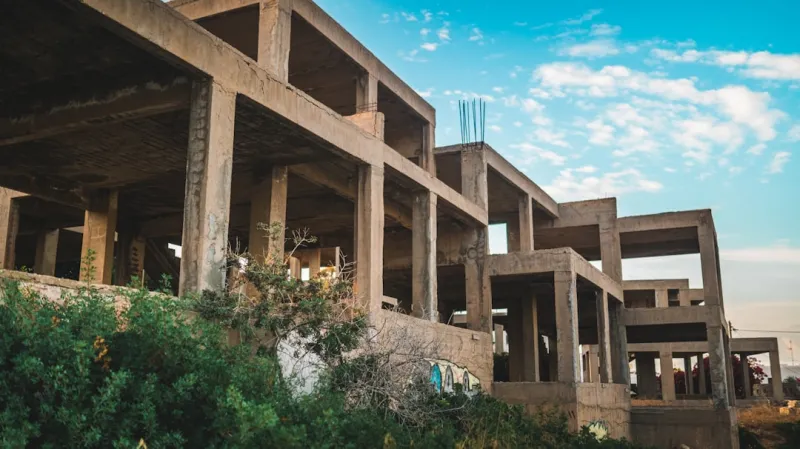
The Foundation of Sustainability: How Eco-Friendly Construction is Revolutionizing the Industry
The construction industry is undergoing a significant transformation. Eco-friendly construction prac... Read More
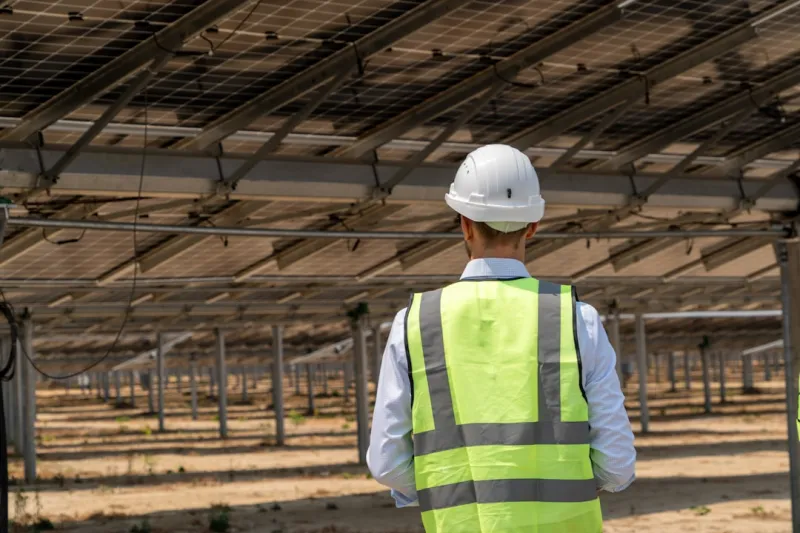
The Foundation of Sustainable Construction: Why Energy Inspections Matter
Energy inspections play a vital role in sustainable construction, identifying areas of energy ineffi... Read More
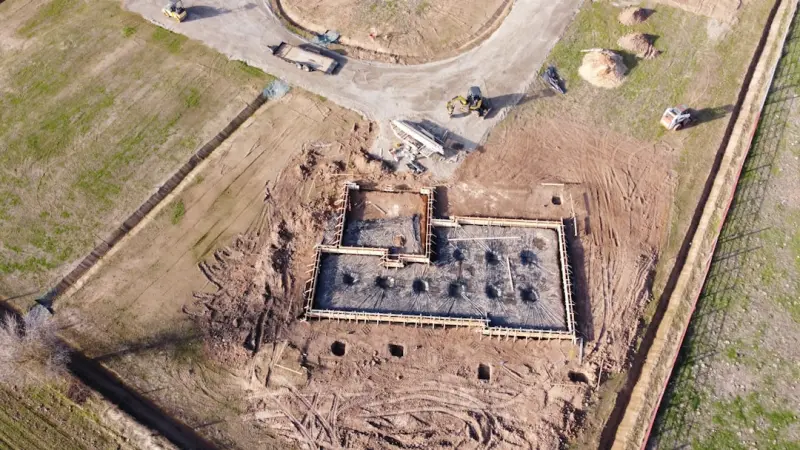
The Hidden Power of Adaptive Foundations: From Ground to Growth
Foundations are evolving from static slabs into dynamic, data‑driven platforms. This post explores... Read More
Top Posts
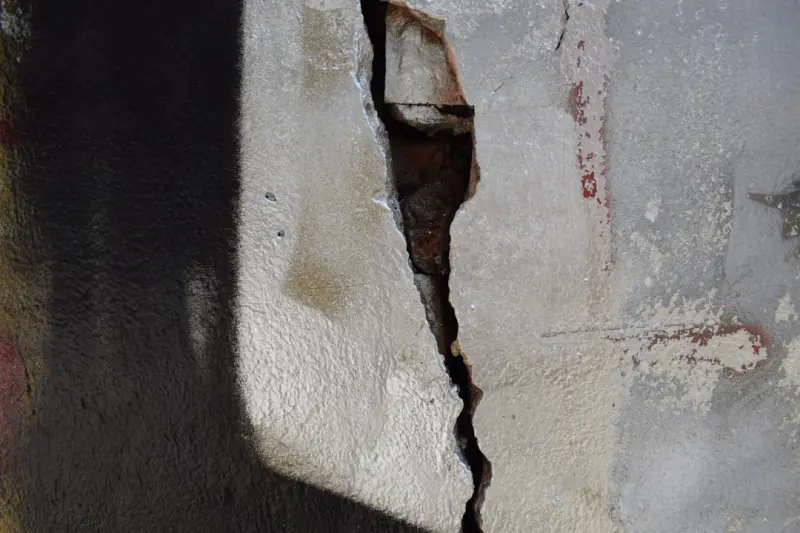
Predictive Foundation Repair: How AI Is Changing the Way We Fix Foundations
Learn why treating foundations as data‑driven assets can cut repair costs, reduce downtime, and boost sustainability, with a practical roadmap for implementat...Read More
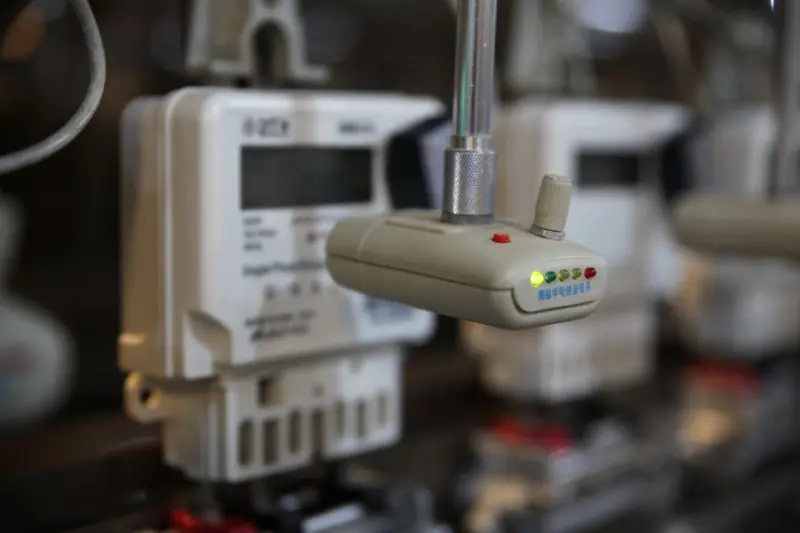
Predictive Sensors Are Redefining Mold Removal for Smart Buildings
Mold removal is evolving from a reactive, costly chore into a predictive, data‑driven process. Discover how humidity sensors, AI analytics, and integrated bui...Read More
Radiant Floor Heating: Turning Slabs into Smart Energy Assets
Radiant floor heating isn’t just about warm feet; it’s a strategic energy‑storage system that smooths demand, integrates with smart controls, and helps me...Read More
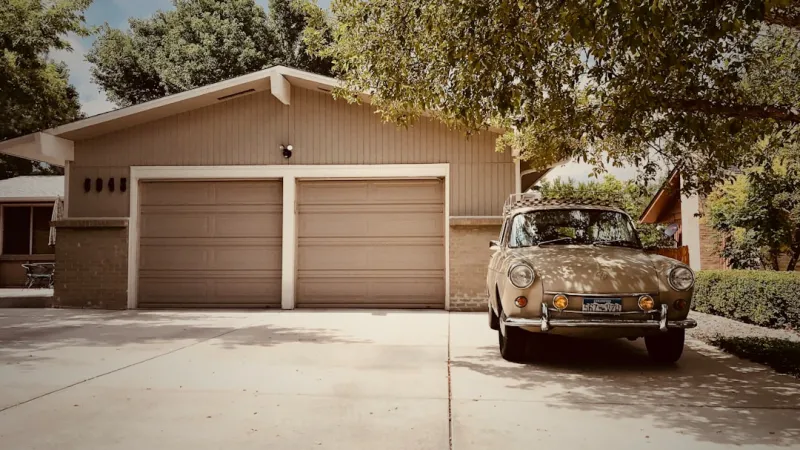
Building the Perfect Garage: A Comprehensive Guide
Building a garage can be a daunting task, but with the right planning and execution, it can be a rewarding experience. Learn how to create a functional and attr...Read More
0 Comments
Post Comment
You will need to Login or Register to comment on this post!