

Why Seasonal Rotation Beats the “One‑Size‑Fits‑All” Closet
Most people treat their closet like a static museum, stuffing every season’s garments into the same cramped space until the shelves buckle under the weight of forgotten sweaters and summer dresses. This approach creates visual clutter, forces you to hunt for items you actually need, and slowly erodes the sense of calm that a well‑organized home should provide. By re‑thinking the closet as a dynamic environment that adapts to the calendar, you can transform it from a source of daily frustration into a seamless, year‑round styling engine.
The Psychology of a Curated Closet
When clothing is sorted by season and purpose, the brain registers a clear visual cue that signals “ready to wear,” which reduces decision fatigue and boosts confidence in your outfit choices. A tidy, purposeful wardrobe also encourages you to let go of pieces that no longer serve you, creating a natural cycle of renewal that aligns with sustainable consumption habits. In short, a rotating system not only streamlines mornings but also cultivates a mindset of intentional living.
Common Pitfalls of a Static Storage Strategy
Leaving every item in the same compartment leads to “storage inertia,” where garments become buried under layers of newer pieces, making it nearly impossible to assess what you truly own. Over‑crowded rods and shelves strain fabrics, causing premature wear, while the lack of clear categories often results in impulse purchases of duplicates or “just in case” items that never see the light of day. Recognizing these hidden costs is the first step toward a smarter, more adaptable closet architecture.
Introducing Seasonal Zones and Convertible Panels
The cornerstone of a fluid closet is the creation of dedicated seasonal zones—one for spring‑summer, another for fall‑winter—each equipped with removable panels that reveal or conceal storage as the weather changes. These panels can be as simple as hinged plywood shutters or as refined as sliding frosted glass inserts, and they allow you to repurpose the same floor footprint for two completely different wardrobes without sacrificing style. For inspiration on how modular concepts can be integrated without overwhelming a small space, see our guide on future‑proof closet layouts.
Hardware That Moves With You
Investing in heavy‑duty pull‑out rails, telescoping hanging rods, and adjustable vertical dividers gives each seasonal zone the flexibility to expand or contract based on the volume of clothing you own at any given time. Soft‑close drawer systems and ball‑bearing sliders keep the motion quiet and smooth, while magnetic catch mechanisms ensure panels stay securely in place during use. By selecting hardware that is both robust and adaptable, you eliminate the need for frequent renovations as your wardrobe evolves.
Lighting, Visibility, and the Art of Discovery
Proper illumination is often overlooked, yet it plays a pivotal role in maintaining an organized closet; LED strip lights along the interior edges of each zone provide even, low‑heat lighting that highlights textures and colors without damaging fabrics. Transparent or semi‑transparent back panels let you see the contents of lower shelves at a glance, encouraging you to rotate items before they become hidden relics. Adding a simple motion sensor switch means the lights activate only when the closet doors open, conserving energy while adding a touch of modern convenience.
Hidden Storage Solutions for the Unseen Items
Beyond the primary hanging areas, consider incorporating concealed compartments such as pull‑out shoe racks, fold‑down ironing boards, and slim rolling bins that tuck behind the main panels for accessories, scarves, or seasonal footwear. These discreet pockets keep ancillary items out of sight yet within easy reach, preserving the visual integrity of the primary wardrobe. For a deeper dive into integrating concealed storage without compromising aesthetics, explore our article on creative hidden‑storage ideas.
Materials, Finishes, and Longevity
Choosing the right materials can dramatically extend the life of a rotating closet system; hardwoods such as maple or oak resist warping, while powder‑coated metal frames provide a sleek, industrial feel that stands up to daily use. Finishes should be low‑VOC and easy to clean, ensuring that the closet remains a healthy environment for both clothing and occupants. Pairing durable surfaces with soft‑touch drawer liners protects delicate fabrics from snagging on hardware edges, creating a harmonious balance between functionality and elegance.
Budgeting: DIY Versus Professional Installation
A well‑planned DIY approach can save thousands of dollars, especially when you source reclaimed lumber or repurpose existing furniture into custom panels and shelves. However, for those who lack the tools or time, hiring a professional carpenter ensures precise measurements, level installations, and seamless integration of electrical components for lighting. We recommend setting a clear budget ceiling, then allocating a portion for high‑impact items like hardware and lighting, while using budget‑friendly options for the structural framework.
Putting It All Together: Your Year‑Round Closet Blueprint
By embracing seasonal zones, adaptable hardware, strategic lighting, and hidden storage, you create a closet that breathes with the rhythm of the year, eliminating clutter and enhancing daily efficiency. Start with a simple audit of your current inventory, map out the zones you need, and select the hardware that will allow each segment to expand or contract as required. The result is a living storage system that not only preserves the longevity of your garments but also nurtures a sense of order that radiates throughout your home.

Tom Ferguson is a Canadian freelance writer with a passion for storytelling, current events, and thoughtful commentary. Drawing on years of writing experience, he shares engaging insights on a wide range of topics, bringing a uniquely Canadian perspective to his work.
Related Posts
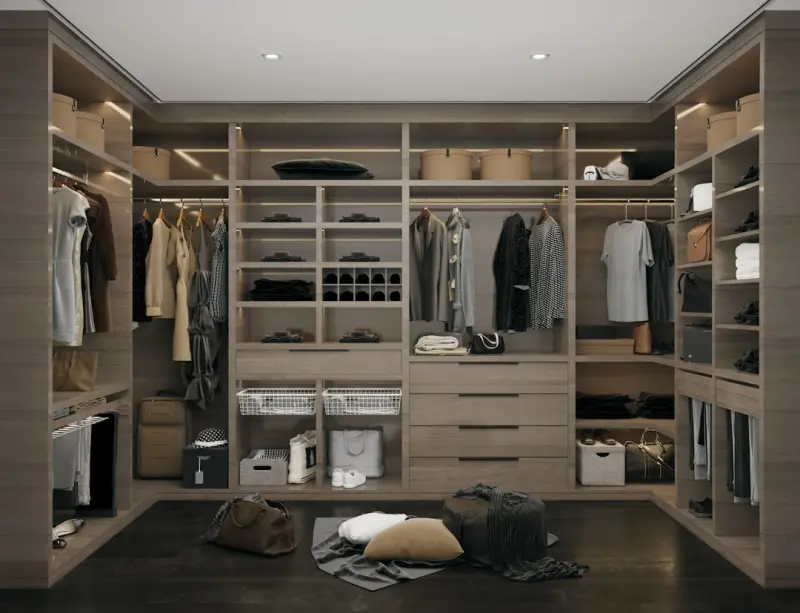
Why Smart Closets Are the Next Productivity Hack for Modern Offices
A deep dive into how smart closets, equipped with sensors and AI, turn ordinary storage into a dataâ... Read More

Transform Your Closet Into a Productivity Powerhouse
Learn to treat your closet as a command center with modular systems, smart lighting, and simple habi... Read More
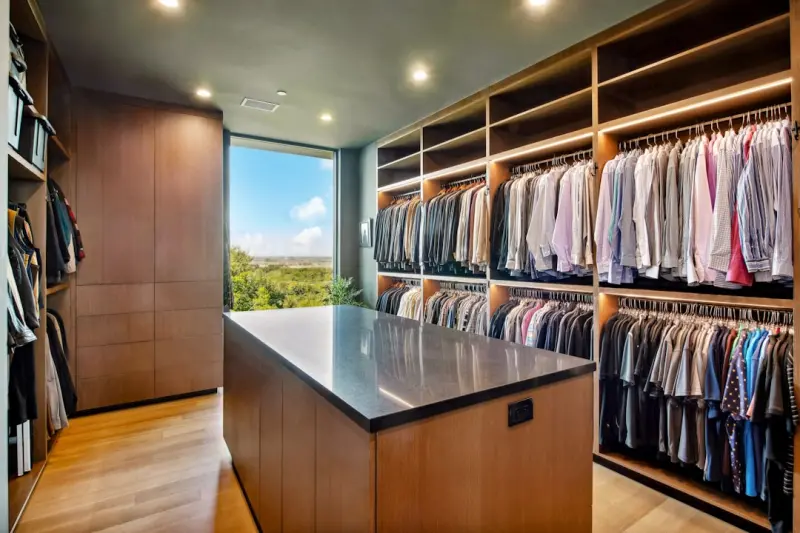
Adaptive Closets: Turning Static Storage into a Responsive Workspace Hub
Discover a practical, data‑driven approach to redesigning closets and storage zones, focusing on m... Read More
Top Posts

The Rise of Augmented Reality on the Construction Jobsite
Augmented reality is turning construction sites into interactive, data‑rich environments. This post explores why AR is a game‑changer for general contractor...Read More

Reimagining the General Contractor’s Playbook: Collaboration, Tech, and Risk Mastery
General contractors are moving beyond traditional blueprints, leveraging integrated project delivery, AI‑driven planning, and proactive risk strategies to del...Read More

Fencing 2.0: Sustainable, Smart, and Stylish Boundaries
A deep dive into how fencing is evolving from a simple barrier into a sustainable, data‑driven design element that enhances security, aesthetics, and environm...Read More
Adaptive Closets: Turning Static Storage into a Responsive Workspace Hub
Discover a practical, data‑driven approach to redesigning closets and storage zones, focusing on modular flexibility, ergonomic design, and future‑proof con...Read More
0 Comments
Post Comment
You will need to Login or Register to comment on this post!