
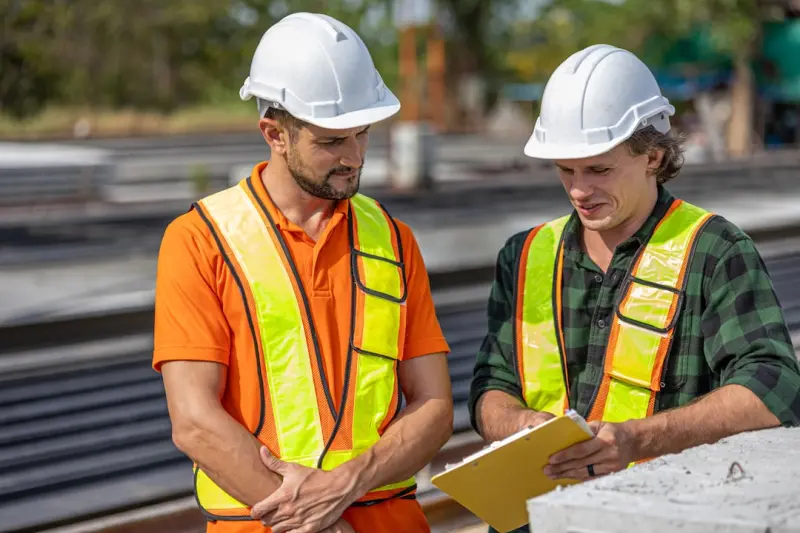
Why the Old Playbook No Longer Works
When I first strapped on a hard hat two decades ago, the contractor’s workflow was almost ritualistic: a stack of blueprints, a punch‑list of subcontractors, and a relentless focus on staying under budget. That formula delivered decent results, but it also bred inefficiencies, miscommunication, and a chronic “fire‑fighting” culture that left little room for innovation. Today, the stakes are higher—owners demand faster delivery, tighter sustainability metrics, and seamless digital experiences. The old playbook simply can’t keep pace.
Enter Integrated Collaboration: From Silos to Symphonies
Modern general contractors are evolving into orchestras, conducting a diverse ensemble of architects, engineers, specialty trades, and owners. The shift from siloed project management to Integrated Project Delivery (IPD) is less about a new contract type and more about a mindset change. In an IPD environment, every stakeholder shares risk, reward, and data from day one. This collaborative DNA reduces change orders, cuts waste, and accelerates decision‑making.
- Early stakeholder workshops—bring the design team, owner, and key subcontractors together while the concept is still fluid.
- Shared digital platforms—real‑time dashboards replace endless email threads.
- Joint budgeting—instead of a fixed‑price contract that pushes risk onto the contractor, a cost‑plus‑incentive model aligns everyone toward the same financial goals.
When these practices click, the project timeline can shrink by 10‑15 % and the change‑order rate can drop dramatically. The payoff isn’t just numbers; it’s a healthier culture where everyone feels accountable and valued.
Technology as the Glue: Real‑Time Collaboration Hubs
Collaboration is only as good as the tools that enable it. Over the past few years, the construction tech stack has matured from isolated apps to integrated ecosystems. Platforms now combine BIM models, field‑mobile reporting, and AI‑enhanced analytics into a single, cloud‑based hub. The result? A live, single source of truth that can be accessed on a tablet at the trench or on a laptop in the boardroom.
One of the most transformative features is spatial planning tools powered by AI. These engines ingest the 3D model, project schedule, and site constraints, then suggest optimal sequencing for trades, material deliveries, and equipment staging. The software can flag a potential clash before the first pipe hits the ground, saving days of rework.
Beyond AI, intelligent paving solutions are starting to appear on large‑scale civil projects. Embedded sensors relay temperature, load, and moisture data back to the contractor’s dashboard, allowing proactive maintenance and even dynamic lane‑reconfiguration for construction traffic. While this tech originated in municipal infrastructure, its data‑driven insights are now seeping into private commercial sites, where they help coordinate heavy‑equipment traffic and reduce wear on temporary roadways.
The Human Element: Upskilling the Workforce
Technology alone won’t close the productivity gap; people must be comfortable with it. The next generation of tradespeople arrives with smartphones, not slide rules. Yet, many seasoned crew members still view digital tools as a nuisance. Bridging this gap requires a deliberate upskilling strategy:
- Hands‑on training labs—dedicated days where crews practice using the collaboration app on a mock site.
- Mentor‑pairing programs—pair a tech‑savvy junior worker with a veteran foreman to exchange knowledge.
- Gamified certification—reward points for completing modules, redeemable for safety gear or extra break time.
When the crew can confidently navigate the dashboard, they spend less time on paperwork and more on actual construction. The result is a smoother, safer job site where data empowers rather than hinders.
Risk Management: The New Competitive Edge
Risk has always been part of general contracting, but the way we approach it is changing. Modern contractors now view risk management as a strategic advantage rather than a compliance checkbox. Three pillars define this new approach:
- Predictive analytics—by feeding historical cost data, weather patterns, and supply‑chain metrics into machine‑learning models, contractors can forecast potential overruns weeks in advance.
- Insurance integration—some insurers now offer “smart policies” that adjust premiums in real time based on on‑site safety data captured by wearables and IoT sensors.
- Legal automation—contract clauses and change‑order templates are generated automatically based on project parameters, reducing the chance of ambiguous language that could spark disputes.
When risk is quantified, communicated, and mitigated through technology, owners see contractors as partners rather than liabilities. This perception often translates into repeat business and referrals, which are the lifeblood of any general contracting firm.
Sustainability Without the Green‑Label Fatigue
“Sustainable construction” has become a buzzword, and many contractors feel pressure to chase certifications that add paperwork but little value. Instead, I recommend a pragmatic approach: embed sustainability into the everyday decision‑making process. Here are three low‑effort, high‑impact tactics:
- Material traceability—use a digital ledger that records the source, recycled content, and carbon footprint of each major material. This data can be shared with owners to demonstrate responsible sourcing without a formal LEED audit.
- Energy‑efficient equipment scheduling—run generators and heavy equipment during off‑peak grid hours. The collaboration platform can flag optimal windows based on the site’s power demand curve.
- Waste‑stream analytics—install smart bins that weigh and categorize demolition waste, feeding the data back to the contractor’s dashboard to identify recycling opportunities in real time.
These practices don’t require a full‑blown sustainability program, yet they deliver measurable reductions in carbon emissions and waste disposal costs—benefits that owners and regulators increasingly demand.
Future‑Proofing the Business Model
Finally, let’s talk about the business side of general contracting. The market is fragmenting, and many firms are exploring new revenue streams beyond traditional build‑only contracts. Consider these emerging models:
- Construction as a Service (CaaS)—instead of a one‑off build, offer ongoing facility management, predictive maintenance, and upgrades as a subscription.
- Prefabrication hubs—establish an off‑site fabrication facility that produces modular wall panels, MEP pods, and structural sections for multiple projects, leveraging economies of scale.
- Data monetization—aggregate anonymized site data (e.g., equipment utilization, labor productivity) and sell insights to equipment manufacturers or software vendors.
These models require a shift in mindset, but they also diversify revenue, smooth cash flow, and deepen client relationships. In a world where owners are increasingly looking for end‑to‑end solutions, the contractor who can offer a bundled package will have a distinct advantage.
Putting It All Together: A Practical Checklist
To translate these concepts into action, here’s a concise checklist you can run through on your next bid:
- Identify a pilot project for Integrated Project Delivery and secure owner buy‑in.
- Select a collaboration platform that supports AI‑driven spatial planning and sensor integration.
- Develop a 30‑day upskilling program for crew members focusing on digital tools.
- Implement predictive risk analytics using historical project data.
- Introduce material traceability and waste‑stream analytics without chasing formal certifications.
- Explore one new business model—whether CaaS, prefabrication, or data services—and draft a pilot proposal.
Cross‑checking each item against your current capabilities will reveal gaps and opportunities. The goal isn’t to overhaul everything overnight; it’s to start a series of incremental improvements that compound over time.
Conclusion: The Contractor Who Leads the Conversation Wins
General contracting is at a crossroads. The industry can cling to the old “hard hat, hard numbers” mentality, or it can embrace collaboration, technology, and proactive risk management as the new foundation for growth. By shifting from a reactive, siloed operation to an integrated, data‑rich ecosystem, contractors not only deliver projects faster and cleaner—they position themselves as strategic partners in the owners’ long‑term success.
In my experience, the firms that adopt these practices early reap the biggest rewards: stronger client loyalty, higher margins, and a reputation for being “the contractor who gets it.” The future belongs to those who are willing to reimagine the playbook, invest in their people, and let technology do the heavy lifting while the crew focuses on what they do best—building.

Tom Ferguson is a Canadian freelance writer with a passion for storytelling, current events, and thoughtful commentary. Drawing on years of writing experience, he shares engaging insights on a wide range of topics, bringing a uniquely Canadian perspective to his work.
Related Posts

Embracing Sustainable and Innovative Home Additions
Learn how sustainable and innovative home additions can boost energy efficiency, increase property v... Read More

AI‑Powered Command Centers: The New Backbone of General Contracting
General contractors can overcome labor gaps and schedule overruns by adopting AI‑powered command c... Read More
Digital Twins on the Jobsite: Turning Data into Construction Gold
A practical guide for general contractors on implementing digital twins, from sensor deployment to r... Read More
Top Posts

Concrete Creations: Turning Slabs into Stories
Discover the hidden artistry of concrete—from historic roots to modern DIY projects—showcasing sustainable mixes, decorative techniques, and collaborations ...Read More

Turning Snow Removal into a Competitive Edge for Commercial Spaces
Snow clearing isn’t just a seasonal task—it’s a strategic lever. Learn how businesses can use forecasting, sensor networks, and a balanced equipment fleet...Read More

Restoring the Soul of Your Home: A Hands‑On Guide to Reviving Architectural Details
Discover a practical roadmap for breathing new life into aging crown molding, baseboards, and ornamental woodwork, blending careful assessment, skilled repair, ...Read More
Unearthing Potential: A Paul Gray Guide to Basement Renovations
Transform your unused basement into valuable living space with this expert guide. Learn critical planning steps, structural considerations, design tips, and why...Read More
0 Comments
Post Comment
You will need to Login or Register to comment on this post!