
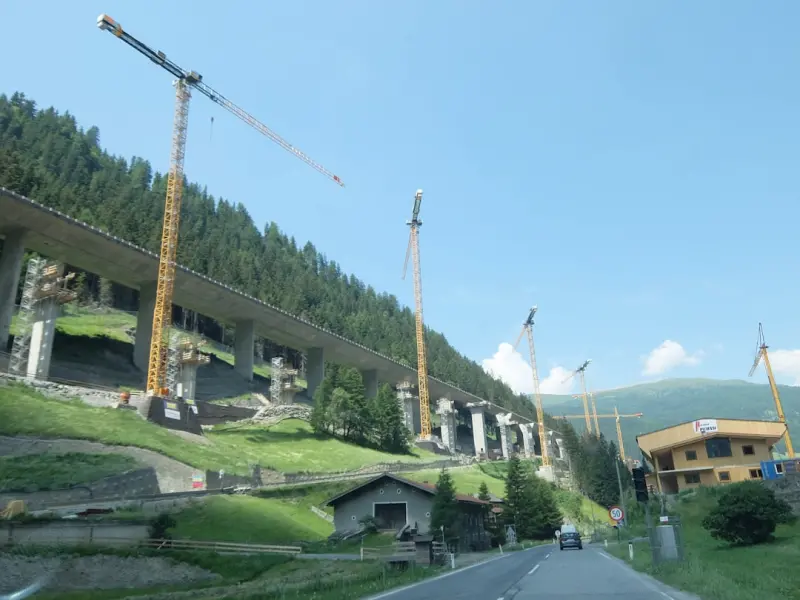
General contractors have always been the unsung conductors of a chaotic orchestra—coordinating crews, juggling supply chains, and turning blueprints into livable spaces. In the last few years, technology has begun to hand us a new baton: augmented reality (AR). No longer a sci‑fi novelty, AR is stepping onto construction sites as a practical, productivity‑boosting tool. In this post, I’ll walk through why AR is becoming a must‑have for forward‑thinking contractors, how to integrate it without breaking the bank, and what the future looks like when virtual overlays become as common as hard hats.
Why Augmented Reality Is the Game‑Changer Contractors Have Been Waiting For
Imagine standing on a partially built floor and instantly seeing a full‑scale, 3‑D model of the finished space projected onto the concrete. Walls, ductwork, lighting, and even furniture appear in perfect alignment with the physical world, allowing you to spot clashes before a single nail is driven. That’s AR in action, and it addresses three perennial pain points for contractors:
- Clash detection and re‑work reduction: Traditional 2‑D drawings can hide conflicts that only become apparent once work begins. AR visualizations expose those conflicts on the spot, cutting costly re‑work.
- Stakeholder communication: Clients, architects, and subcontractors often struggle to read technical drawings. Seeing a virtual overlay on the actual site bridges the comprehension gap.
- Training and safety: New hires can practice complex tasks on a virtual replica before stepping onto a hazardous environment, reducing on‑site accidents.
The result? Faster schedules, tighter budgets, and happier clients—all while keeping safety at the forefront.
Getting Started: The Low‑Barrier Path to AR Adoption
Contrary to the hype, you don’t need a multi‑million‑dollar budget to dip your toes into AR. Here’s a pragmatic rollout plan:
- Identify high‑impact use cases. Start with tasks that have the most re‑work risk—mechanical rough‑ins, electrical conduit routing, and façade alignment are prime candidates.
- Choose the right hardware. Modern smartphones and tablets already support AR via built‑in cameras and sensors. For more precise overlay, consider lightweight headset devices like Microsoft HoloLens or Magic Leap, which offer better depth perception and hands‑free interaction.
- Leverage existing BIM models. Most firms already generate Building Information Models (BIM) for coordination. Export these models into an AR‑compatible format (e.g., FBX, glTF) using tools like Unity Reflect or Autodesk ReCap.
- Start with a pilot project. Pick a medium‑size commercial build, assign an AR champion (often a tech‑savvy project manager), and track key performance indicators: clash detection time, re‑work hours saved, and safety incidents.
- Iterate and scale. Use data from the pilot to refine workflows, train crews, and expand AR usage to other sites.
By treating AR as an incremental improvement rather than a wholesale overhaul, you can achieve measurable ROI within the first 6‑12 months.
AR Meets Other Cutting‑Edge Technologies
AR doesn’t exist in isolation. It thrives when paired with other digital tools that are already reshaping the construction landscape:
- IoT sensors: Combine AR with live data streams from temperature, humidity, or vibration sensors to see real‑time performance metrics overlaid on equipment.
- Drones and photogrammetry: Capture site progress with drones, stitch the images into a 3‑D model, and then view that model through AR to compare as‑built conditions with design intent.
- Digital twins: A digital twin mirrors the physical site continuously. When paired with AR, you can walk the site and instantly see predictive analytics—like structural load forecasts—displayed on the spot.
These integrations amplify the value of AR, turning a simple visualization tool into a live decision‑making platform.
Case Study: Reducing MEP Clash Costs with AR
One mid‑size general contractor partnered with an AR vendor to tackle mechanical‑electrical‑plumbing (MEP) clashes on a multi‑tenant office tower. Using a handheld AR device, the site superintendent walked the rough‑in stage and projected the BIM model onto the exposed concrete. The team identified three major duct‑to‑pipe conflicts that would have otherwise required costly demolition and re‑routing.
Key outcomes:
- Clash detection time: Dropped from 12 hours (traditional 2‑D review) to under 30 minutes on‑site.
- Re‑work savings: Estimated at $120 k in avoided labor and material costs.
- Safety improvement: No accidents reported during the rough‑in phase, attributed to better situational awareness.
This real‑world example underscores that AR is not a gimmick—it’s a tangible cost‑saver.
Integrating AR With Existing Project Management Workflows
One fear contractors voice is that AR will add another layer of complexity. The truth is, AR can be woven directly into the software ecosystems you already use:
- Task assignment: Link AR annotations to tasks in platforms like Procore or Buildertrend. A supervisor can tag a specific pipe clash in AR, which automatically creates a corrective task for the MEP subcontractor.
- Progress tracking: Capture AR screenshots as visual evidence for daily logs, reducing the need for separate photo documentation.
- Quality control: Use AR to overlay tolerance zones (e.g., ±5 mm) on structural elements, enabling instant pass/fail decisions during inspections.
By embedding AR actions into familiar workflows, you avoid the “tool fatigue” that plagues many technology rollouts.
Overcoming Common Barriers
While AR’s promise is compelling, contractors often stumble over three practical hurdles:
- Data accuracy: AR overlay fidelity hinges on precise BIM models. Invest in rigorous model validation early; a small error can snowball into a misaligned projection.
- Training and adoption: Not every crew member is comfortable with headsets or tablet gestures. Conduct hands‑on workshops, start with a “super‑user” cohort, and celebrate quick wins to build momentum.
- Connectivity: Remote sites may lack reliable Wi‑Fi. Use offline‑capable AR apps that cache BIM data locally and sync back to the cloud when a connection is available.
Addressing these pain points early ensures the technology adds value rather than friction.
Future Outlook: From Visualization to Real‑Time Decision Engines
Today’s AR experiences are largely static—projecting a BIM model onto the real world. Tomorrow’s iterations will be dynamic, feeding live sensor data into the AR view. Picture walking through a foundation pour and seeing a live pressure map indicating soil compaction levels, or viewing a projected heat map of a building’s energy performance while the HVAC system is still being installed.
These “living” overlays will turn the jobsite into a continuous feedback loop, where every decision is informed by real‑time analytics. The convergence of AR, AI, and edge computing will make this vision a reality, positioning contractors who adopt early as industry leaders.
Practical Steps to Future‑Proof Your Business
If you’re convinced that AR belongs in your toolbox, here’s a concise action plan:
- Audit your current digital assets. Ensure BIM models are clean, up‑to‑date, and exported in AR‑friendly formats.
- Select a pilot site. Choose a project with a clear, high‑impact use case.
- Partner with a specialist. Many startups now offer turnkey AR solutions tailored for construction—look for those with proven integrations to platforms you already use.
- Define success metrics. Track time saved on clash detection, re‑work costs avoided, and safety incidents reduced.
- Scale gradually. Roll out to additional trades, then to multiple sites, iterating based on feedback.
By treating AR as a strategic investment rather than a novelty, you’ll reap measurable benefits that directly impact your bottom line.
Connecting the Dots: AR and Broader Construction Trends
AR aligns closely with several trends already shaping the industry:
- Design‑Forward Paving: Aesthetic, Performance, Brand Impact—AR can preview paving patterns and textures before they’re laid, ensuring design intent is met.
- Modular Magic: Reimagining Home Construction for the Modern Builder—When assembling prefabricated modules on‑site, AR helps align components with millimetric precision, reducing gaps and misfits.
- Zero‑waste initiatives—AR visualizations can identify material over‑order early, allowing just‑in‑time deliveries and minimizing waste.
Seeing these connections reinforces that AR isn’t a standalone fad; it’s a connective tissue that strengthens the entire construction ecosystem.
Final Thoughts: Embrace the Overlay, Not the Illusion
Augmented reality is still emerging, but the early adopters are already seeing tangible returns. The technology’s power lies not in creating a virtual replica of reality, but in enhancing our perception of the real world—making errors visible before they happen, aligning every stakeholder on the same visual language, and turning a chaotic construction site into a data‑rich, collaborative environment.
If you’re a general contractor looking to stay competitive, the time to experiment with AR is now. Start small, measure rigorously, and let the technology evolve alongside your processes. The next wave of construction excellence will be built on layers of insight—both literal and digital—and the contractors who master those layers will lead the industry into a smarter, safer, and more efficient future.

Tom Ferguson is a Canadian freelance writer with a passion for storytelling, current events, and thoughtful commentary. Drawing on years of writing experience, he shares engaging insights on a wide range of topics, bringing a uniquely Canadian perspective to his work.
Related Posts

Embracing Sustainable and Innovative Home Additions
Learn how sustainable and innovative home additions can boost energy efficiency, increase property v... Read More
Sustainable General Contracting: Building Value with Purpose
Explore the evolving world of general contracting, where sustainable materials, design‑build colla... Read More
Digital Twins and Modular Strategies: The Next Leap for General Contractors
Digital twins paired with modular construction are reshaping general contracting, offering real‑ti... Read More
Top Posts

The Home Inspector’s Blueprint for Sustainable, Smart Living
A seasoned inspector shares actionable insights on weather proofing, smart windows, DIY repairs, and future‑proofing homes for sustainable, smart living....Read More

Unlock Hidden Corners: Turning Neglected Nooks into Everyday Assets
Learn how to identify, purpose‑assign, and stylishly transform under‑used nooks in your home using simple lighting, green, and multi‑functional furniture ...Read More
Beyond Marble: The Next‑Generation Countertop Playbook
Explore a fresh approach to countertops—mixing recycled materials, integrated technology, and clever edge design—to create kitchens that look stunning and s...Read More

Beyond Paint: How Modern Wallpaper Elevates Home Functionality
Explore the rise of functional wallpaper—sound‑absorbing, sustainable, and tech‑ready solutions that turn walls into performance‑driven design elements....Read More
0 Comments
Post Comment
You will need to Login or Register to comment on this post!