
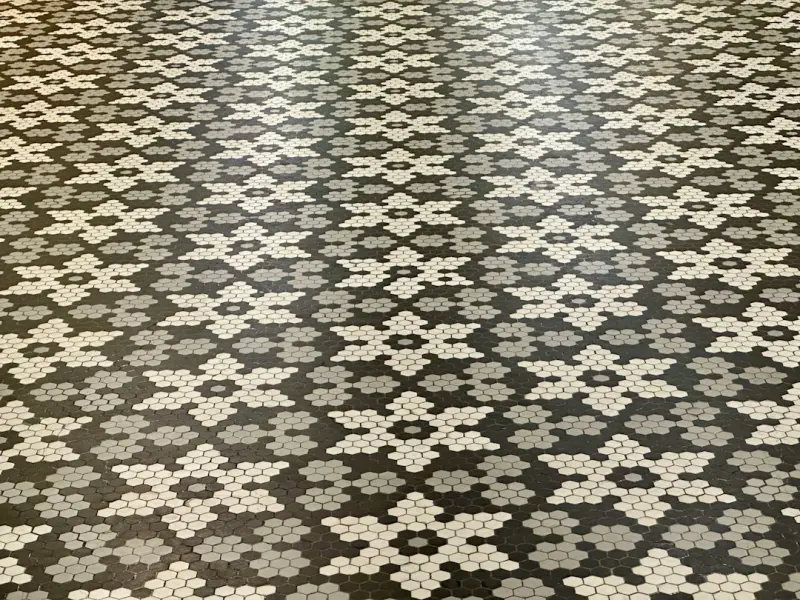
Why Tiling is No Longer Just About Aesthetics
When I first got my hands on a box of classic porcelain, the conversation around tiles was simple: color, pattern, and durability. Fast forward a few years, and the dialogue has exploded. Today, tiles are becoming intelligent surfaces, eco‑friendly building blocks, and a nexus for digital collaboration. As someone who’s spent a decade on both the job site and the design board, I’ve watched the evolution from dusty mortar mixes to sensor‑embedded slabs that can tell you when a room is too humid or even generate a tiny amount of electricity from foot traffic. This isn’t just a trend—it's a shift in how we think about the very ground we walk on.
The Rise of Intelligent Tiles
Imagine stepping onto a kitchen floor that automatically adjusts its temperature based on the season, or a bathroom tile that alerts you when mold begins to form. These aren’t sci‑fi fantasies; they’re commercially available solutions that are beginning to appear in high‑performance residential and commercial projects.
- Embedded Sensors: Modern tiles can house humidity, temperature, and even pressure sensors. The data streams to a building‑management app, giving property owners real‑time insight into environmental conditions.
- Energy Harvesting: Piezoelectric ceramics embedded in high‑traffic zones can convert footfall into micro‑watts of power—enough to light a low‑energy LED strip or feed a small IoT device.
- Dynamic Aesthetics: Some manufacturers are experimenting with electrochromic glazes that change hue when exposed to sunlight, letting you program a “day‑to‑night” look without repainting.
These features align with the broader push for smart building envelopes. While many focus on HVAC or lighting, flooring is finally getting its moment in the spotlight.
Sustainable Materials: From Quarry to Closet
Traditional tile production has long been criticized for its carbon footprint—high‑temperature kilns, massive quarry extraction, and long transport distances. The industry is responding with a wave of low‑impact alternatives:
- Recycled Porcelain: Post‑consumer porcelain waste is crushed, refined, and fused into new tiles, cutting raw material demand by up to 30%.
- Bio‑Based Composites: Hemp fibers, bamboo, and agricultural residues are being mixed with bio‑resins to create panels that mimic the look of stone while being 70% lighter.
- Low‑Temperature Firing: Innovations in kiln technology now allow tiles to cure at temperatures up to 300°C lower than conventional methods, slashing energy use.
Choosing a sustainable tile isn’t just an ethical decision; it also offers tangible benefits. Lighter tiles reduce structural loads, which can translate into savings on framing and foundations—a subtle synergy that architects love.
Digital Tools Are Changing How We Lay Tile
Remember the days of chalk lines and manual levelers? Those tools are still useful, but the digital tools for tile installation are rapidly becoming the norm. Here’s what’s on the table for modern tilers:
- Laser‑Guided Layout Apps: By scanning a room with a LiDAR‑enabled phone, an app can generate a perfect tile layout, accounting for cuts, seams, and pattern repeats.
- Smart Leveling Systems: Bluetooth‑connected leveling clamps transmit real‑time feedback to a tablet, ensuring a uniform substrate without the guesswork.
- Augmented Reality (AR) Previews: Before a single tile is lifted, homeowners can point a device at their floor and see a 3D overlay of the finished pattern, adjusting colors and textures on the fly.
These tools reduce waste, speed up installation, and give clients a level of confidence that’s hard to achieve with traditional mock‑ups.
Design‑Build Collaboration Meets Tile Strategy
In a collaborative design workflow, the architect, contractor, and owner can all see the same tile layout in real time, making changes on the fly. This eliminates the classic “you said you’d use this pattern, but the contractor can’t cut it” miscommunications.
- Shared Cloud Libraries: Manufacturers upload 3D models of their tile collections to a shared repository. Designers drag‑and‑drop directly into BIM models.
- Instant Costing: As a pattern is tweaked, the software recalculates material quantities, labor hours, and projected waste, keeping budgets transparent.
- Lifecycle Tracking: Once installed, the same digital thread can be used for maintenance schedules, warranty claims, and future remodels.
This integration is a game‑changer for large‑scale projects where tile selection can affect everything from acoustics to resale value.
Acoustic and Thermal Performance: More Than Just Looks
Tiles have traditionally been considered a poor choice for sound absorption, but modern engineering is challenging that notion. By adding a thin layer of acoustic backing—often made from recycled rubber or cork—tiles can achieve a STC (Sound Transmission Class) rating comparable to carpet in residential settings.
On the thermal side, radiant floor heating works best with materials that have high thermal conductivity. Porcelain and stone excel here, but new ceramic‑glass composites are pushing the envelope, delivering faster heat distribution while remaining lightweight.
Maintenance Hacks That Extend Tile Life
Even the smartest tile can fall victim to neglect. Here are a few low‑tech tricks that keep both traditional and intelligent tiles in prime condition:
- Seal Regularly: Natural stone and some high‑gloss ceramics benefit from a breathable sealant every 12‑18 months to prevent staining.
- Mind the Grout: Use a grout additive that resists efflorescence and mold. For sensor‑embedded tiles, a non‑conductive sealant protects the electronics.
- Gentle Cleaning: Avoid acidic cleaners on smart tiles; they can degrade sensor housings. A pH‑neutral floor cleaner and a soft mop are usually enough.
- Temperature Monitoring: If you’ve installed heated tiles, set the thermostat to avoid rapid temperature swings that can cause micro‑cracks over time.
The Future: Tiles as Data Hubs
What if every tile in a building could act as a node in an Internet‑of‑Things (IoT) network? Researchers are already prototyping floor panels that:
- Detect foot traffic patterns to optimize HVAC zoning.
- Measure indoor air quality, sending alerts when VOC levels rise.
- Charge small wearable devices through kinetic energy conversion.
While mass adoption may still be a few years away, the groundwork is being laid today. Contractors who start experimenting now will find themselves at the forefront of a new building paradigm.
Putting It All Together: A Real‑World Example
Last spring, I partnered with a boutique hotel chain on a flagship property that wanted to showcase “future‑forward hospitality.” Here’s the tile‑centric strategy we employed:
- Material Selection: We chose recycled porcelain tiles with a low‑temperature firing process, paired with a cork‑backed acoustic underlayment in the lobby.
- Intelligent Integration: In the spa area, we installed heat‑sensing tiles linked to the building’s energy‑management system, reducing heating costs by 12% during low‑occupancy hours.
- Digital Workflow: Using AR layout software, the design team visualized the intricate Moroccan‑inspired pattern on the restaurant floor, cutting waste by 18%.
- Collaborative Execution: Throughout construction, the contractor updated the BIM model with real‑time progress, allowing the owner to approve changes instantly.
The result? A space that feels both timeless and cutting‑edge, with measurable energy savings and a guest experience that highlights the “smart” aspect of the design.
Conclusion: Tiling Is No Longer an Afterthought
From sustainable sourcing to embedded sensors and collaborative digital tools, today’s tiles are multifaceted assets that can boost efficiency, comfort, and even the bottom line. As we continue to blend physical materials with digital intelligence, the humble tile is poised to become a cornerstone of the smart, sustainable building revolution.

Tom Ferguson is a Canadian freelance writer with a passion for storytelling, current events, and thoughtful commentary. Drawing on years of writing experience, he shares engaging insights on a wide range of topics, bringing a uniquely Canadian perspective to his work.
Related Posts
Turning Floor Tiles into Data‑Driven Assets for Smarter Facilities
Smart tiling turns floors into data hubs, offering predictive maintenance, space utilization analyti... Read More
Interactive Tiles: Data, Light & Future Floors
Tiles are evolving from static coverings into smart, data‑rich platforms that sense occupancy, reg... Read More

Crafting a Narrative with Tiles: How Patterns, Colors, and Textures Tell Your Home’s Story
Learn to use tile patterns, shapes, colors, and textures as a storytelling tool, creating personaliz... Read More
Top Posts

Drywall’s Quiet Revolution: Sustainable, Smart, and Ready for the Future
From recycled gypsum panels to embedded sensors and rapid‑finish tools, this guide shows how drywall is becoming a sustainable, smart platform that future‑p...Read More

Crafting the Future: Sustainable, Tech‑Enabled Woodworking for Modern Makers
Discover the quiet revolution in woodworking where reclaimed materials, CNC precision, and community-driven workshops converge to create sustainable, adaptable,...Read More

From Flood to Future‑Proof: A Data‑Driven Blueprint for Home Restoration
Discover a step‑by‑step, data‑driven approach to post‑flood home restoration that blends modern technology with traditional craftsmanship, ensuring a re...Read More

Digging Deeper: A Hands‑On Guide to Future‑Proof Foundations
A hands‑on guide revealing how to assess soil, manage moisture, choose the right foundation type, and use sustainable materials for a resilient, future‑proo...Read More
0 Comments
Post Comment
You will need to Login or Register to comment on this post!