
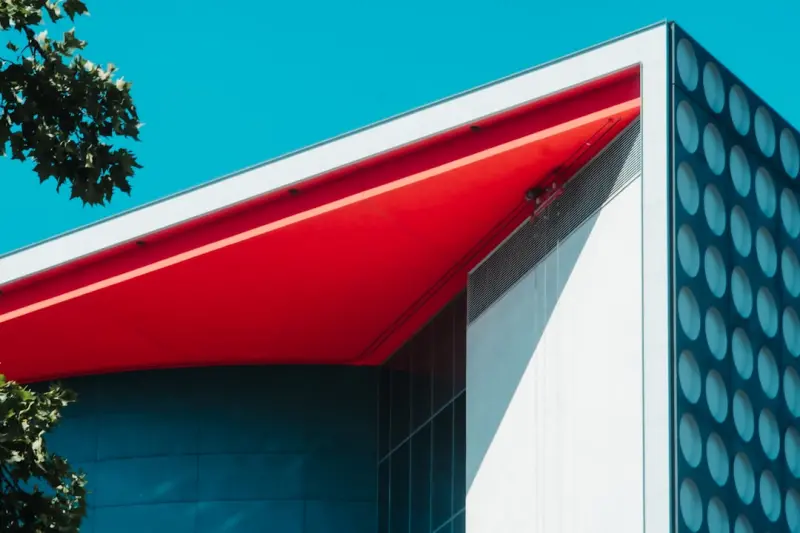
Why Awnings Are the Unsung Heroes of Outdoor Comfort
When I first stepped onto my balcony with a modest retractable awning, I discovered a silent revolution in how we experience open air. The simple act of pulling shade over a patio transforms temperature, glare, and even the acoustic ambience, turning a noisy street edge into a private oasis. Strategic shading not only curbs solar heat gain by up to 80 % but also reduces reliance on indoor air‑conditioning, a fact many homeowners overlook while chasing indoor comfort.
Integrating Smart Controls: From Manual Cranks to Voice‑Activated Canopies
Modern awnings have shed their purely mechanical roots and now dance to the rhythm of IoT ecosystems, syncing effortlessly with smart home hubs, weather APIs, and even voice assistants. I recently programmed my awning to close automatically when the UV index spikes above 7, a feature that feels like having a personal meteorologist perched on my roof. This level of automation not only safeguards fabric longevity but also maximizes energy savings, echoing the principles found in waterproofing design tricks that blend protection with style.
Material Science: Fabrics That Breathe, Resist, and Inspire
Choosing the right awning fabric is a tactile decision that balances aesthetics, durability, and environmental impact. Today’s market offers UV‑stabilized acrylics, recycled polyester blends, and even solar‑reflective membranes that keep interiors cooler while maintaining vibrant colors season after season. I gravitated toward a low‑emissivity (Low‑E) canvas that reflects infrared heat yet permits natural daylight, creating a harmonious balance similar to the light‑shaping window solutions that sculpt indoor atmospheres.
Structural Considerations: Mounting Strategies That Blend Seamlessly with Architecture
Installing an awning is not merely a DIY weekend project; it demands an understanding of load paths, wind zones, and roof geometry to ensure safety and visual cohesion. I consulted structural guidelines to anchor my cantilever system into a reinforced beam, avoiding the common pitfall of over‑reliance on decorative brackets that can fail under gusty conditions. By aligning the awning’s line of sight with the roof’s overhang, the structure becomes an extension of the building envelope rather than an afterthought.
Seasonal Adaptability: Transforming Awnings for Year‑Round Use
Many homeowners view awnings as summer accessories, yet their potential stretches across the calendar with clever adaptations. Winterizing a retractable awning involves tightening tension, applying a breathable waterproof coating, and adding insulated side panels that trap warm air while still allowing sunlight to filter in. In my own space, I’ve swapped translucent panels for opaque blackout liners during the colder months, creating a micro‑climate that feels like a sunroom without the cost of additional glazing.
Eco‑Friendly Practices: From Sustainable Production to End‑of‑Life Recycling
The environmental footprint of an awning begins at the factory, where manufacturers now prioritize recycled fibers, low‑VOC adhesives, and energy‑efficient curing processes. I selected a brand that offers a take‑back program, ensuring that when my fabric finally reaches the end of its service life, it will be repurposed into insulation or new textile products. This cradle‑to‑cradle approach mirrors the broader shift toward circular building materials, reinforcing the idea that every design decision can contribute to a greener future.
Cost-Benefit Analysis: Quantifying Savings Beyond the Initial Investment
While the upfront price tag of a motorized awning may seem steep, a thorough cost‑benefit analysis reveals substantial long‑term returns. By reducing cooling loads, homeowners can shave 10‑15 % off annual electricity bills, a saving that often eclipses the amortized cost of the awning within five years. Moreover, the added shade protection extends the lifespan of outdoor furniture, flooring, and even exterior paint, turning the awning into a multi‑layered asset for the property.
Design Harmony: Coordinating Awnings with Landscape and Exterior Elements
Successful awning integration is as much about visual storytelling as it is about function. I paired my canopy’s muted teal hue with the garden’s native foliage, allowing the structure to echo the surrounding palette while providing a focal point that invites outdoor gatherings. Incorporating pergola‑style support beams and subtle lighting fixtures further blurs the line between structural necessity and decorative flourish, achieving a cohesive aesthetic that complements the home’s architectural language.
Future Trends: Adaptive Fabrics and Energy‑Generating Canopies
The horizon for awning technology glimmers with innovations that promise to reshape outdoor living. Researchers are experimenting with photovoltaic fabrics that generate electricity while still providing shade, turning every square foot of awning into a micro‑solar panel. Meanwhile, thermochromic materials that shift color based on temperature are poised to offer dynamic visual cues, alerting occupants to heat spikes before they become uncomfortable. As these advancements mature, the awning will evolve from a passive shelter into an active participant in a home’s energy ecosystem.

Lifan Chen is a freelancer based in Toronto specializing in marketing. With expertise in crafting effective marketing strategies and campaigns, Lifan helps businesses grow their brand presence and reach target audiences. As a Toronto-based freelancer, Lifan combines local market insights with creative marketing skills to deliver tailored solutions for clients.
Related Posts
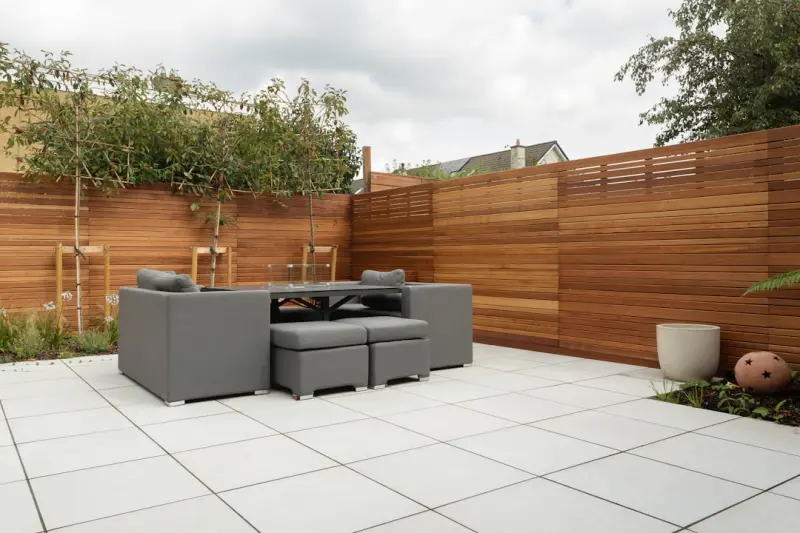
Shade and Style: Transforming Outdoor Spaces with Smart Awnings
Explore the art of selecting, installing, and maintaining smart awnings that blend style, sustainabi... Read More
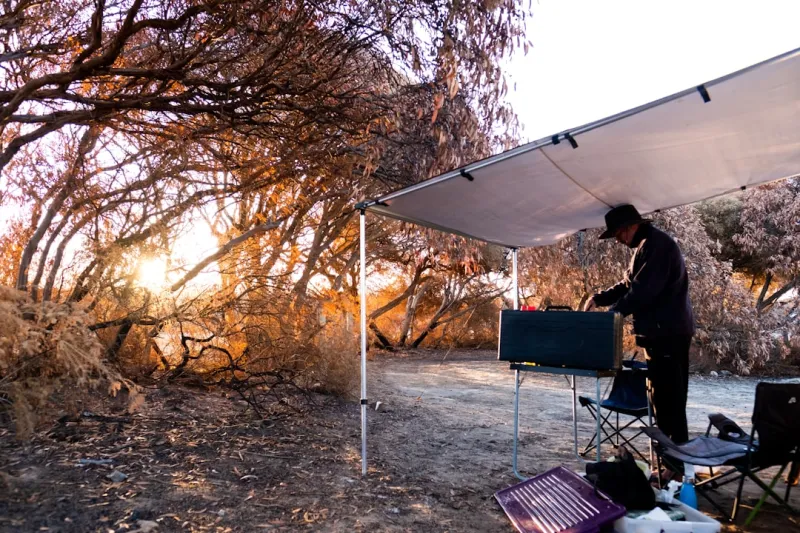
The Sustainable Awning Revolution: A Game-Changer for Homeowners
Sustainable awnings offer a stylish and practical way to reduce energy consumption and environmental... Read More

Shade and Strategy: Unleashing the Hidden Power of Modern Awnings
Explore the unexpected advantages of modern awnings, from psychological comfort and energy savings t... Read More
Top Posts
Elevate Your Home: Transforming Roofs into Outdoor Sanctuaries
Explore the journey of turning an ordinary roof into a vibrant outdoor retreat, blending design, greenery, and lasting protection for a new level of home living...Read More
The Green Home Inspection: A Comprehensive Guide to Sustainable Living
A green home inspection is crucial for identifying areas where your home can be more sustainable. Learn how to create a healthier, more eco-friendly living envi...Read More
The Importance of General Contracting in Home Restoration
General contracting plays a vital role in home restoration, encompassing a wide range of services that help homeowners achieve their renovation goals. Learn mor...Read More
Enhancing Your Outdoor Space: The Ultimate Guide to Sheds and Gazebos
Sheds and gazebos can enhance your outdoor space, providing functionality, beauty, and value. Learn about the benefits, types, and considerations for installati...Read More
0 Comments
Post Comment
You will need to Login or Register to comment on this post!