
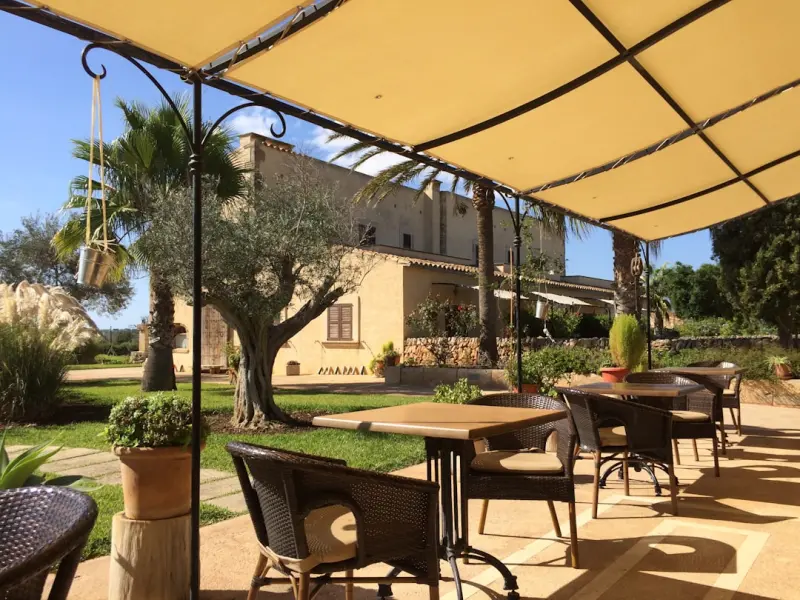
Reimagining the Awning: From Simple Shade to Strategic Workplace Asset
When you think of an awning, the first image that pops up is usually a simple fabric sheet stretched over a storefront or patio, offering shade from the sun. In many corporate environments, awnings are treated as an afterthought—something to keep customers cool on a hot day. But what if that modest piece of architecture could do far more? What if it could become a data‑driven, brand‑enhancing, energy‑saving powerhouse that aligns with the very metrics that matter to modern businesses?
Why Awnings Deserve a Seat at the Strategy Table
In the age of hybrid work, employee experience is no longer confined to the interior of an office. The journey begins the moment someone steps onto the campus, and the first impression is often set by the building’s exterior. A well‑designed awning can:
- Control solar gain and reduce HVAC loads, directly impacting utility bills.
- Serve as a dynamic branding canvas, changing colors or messages in real time to reflect campaigns, sustainability milestones, or community events.
- Collect environmental data (light levels, temperature, wind) that feeds into building‑management systems for smarter energy decisions.
- Enhance employee well‑being by creating comfortable, shaded entryways and outdoor work zones that encourage movement and fresh‑air breaks.
These benefits move the awning from a decorative add‑on to a strategic lever—a concept that mirrors the way we’ve begun treating other “quiet” building components as business assets.
Smart Awnings: The Technology Behind the Transformation
Modern awnings are no longer static pieces of fabric. Advances in materials science, IoT connectivity, and automation have birthed smart awnings that can respond to their environment and to the needs of the people who use them.
Responsive Fabric & Motorized Systems
High‑performance, UV‑resistant fabrics now come with built‑in sensors that detect sunlight intensity. Coupled with motorized tracks, the awning can automatically extend or retract to maintain an optimal interior temperature. Some systems integrate with existing building‑management platforms, allowing facilities teams to schedule awning operations alongside HVAC set‑points.
Digital Signage Integration
LED strips or projection mapping can be woven into the awning’s structure, turning the shelter into a living billboard. Imagine a tech campus that uses its awning to showcase real‑time sustainability metrics—energy saved, carbon offset, or even live employee wellness stats. This creates an immediate, tangible connection between corporate goals and visual storytelling.
Data Harvesting for Predictive Maintenance
Embedded sensors monitor tension, wear, and motor health, sending alerts to maintenance dashboards before a failure occurs. This predictive approach reduces downtime and extends the awning’s lifespan, delivering cost savings that echo the small DIY repairs philosophy of catching issues early.
Energy Efficiency: Quantifiable Gains
Solar heat gain is a silent energy drainer. Studies show that a well‑positioned awning can cut cooling loads by up to 15‑20% in sunny climates. The mechanism is simple: by shading windows and entryways, less heat penetrates the interior, meaning HVAC systems don’t have to work as hard.
When paired with automated controls, the system can react to real‑time weather forecasts. On a cloudy day, the awning retracts to allow natural light, reducing artificial lighting needs. On scorching afternoons, it fully deploys, keeping indoor temperatures stable. This dynamic response translates to tangible dollar savings on utility bills—an ROI that can be modeled in the same way we evaluate hardscape investments.
Branding and Community Engagement
Corporate branding is often thought of as logo placement on a website or a billboard on a highway. Yet, the physical environment is a potent branding medium—especially when it can change in real time.
- Seasonal Campaigns: A summer promotion could trigger a vibrant, sun‑burst awning design, while a winter charity drive could shift the color palette to cool blues.
- Community Messaging: Local events, public service announcements, or emergency alerts can be displayed instantly, positioning the company as an engaged community stakeholder.
- Employee Recognition: Celebrate milestones—like a sustainability award—by flashing a special pattern across the awning, turning the building’s façade into a celebration stage.
These dynamic branding opportunities are low‑cost compared to traditional advertising, yet they command high visibility because they sit at the intersection of function and aesthetic.
Well‑Being at the Edge: Outdoor Work Pods
Hybrid work models encourage employees to step away from their desks. Outdoor work pods—semi‑enclosed spaces with Wi‑Fi, power outlets, and weather protection—are gaining traction. An intelligently designed awning is the linchpin that makes these pods viable year‑round.
When paired with ergonomic furniture and shade, employees can enjoy fresh air without the glare or heat that often deters outdoor work. This aligns with research linking natural light exposure and brief outdoor breaks to increased productivity and reduced stress.
Think of the awning as an extension of the office’s wellness strategy—a physical reminder that the company values health and flexibility. In this way, awnings echo the insights from sunroom research, but with the added benefit of being outdoors.
Design Considerations: Aesthetic Meets Function
Choosing the right awning is a balance of form, function, and future‑proofing. Here are the key criteria:
- Material Durability: Look for fabrics that resist fading, mold, and wind uplift. Modern composites can last 15‑20 years with minimal upkeep.
- Motor Capacity: Ensure the motor can handle local wind loads and the weight of any integrated signage.
- Control Interface: Whether through a wall panel, mobile app, or integration with a building‑automation system, the control scheme should be intuitive for facilities staff.
- Scalability: Modular designs allow you to expand the awning footprint as your campus grows.
- Compliance: Verify that the awning meets local building codes regarding fire resistance and wind ratings.
Case Study: A Tech Campus Turns Shade into a Strategic Asset
Consider a mid‑size tech firm that installed a network of smart awnings across its headquarters. The objectives were threefold: lower cooling costs, improve employee satisfaction, and boost brand visibility.
- Energy Savings: After six months, the facility reported a 12% reduction in HVAC energy consumption during peak summer months. The awnings’ automated retraction on overcast days preserved natural lighting, cutting lighting electricity usage by an additional 5%.
- Employee Feedback: A survey revealed that 78% of staff appreciated the new shaded outdoor work zones, citing increased comfort and a stronger sense of connection to the outdoors.
- Brand Impact: The company used the awning’s LED overlay to showcase live data from its sustainability dashboard—carbon reduction numbers updated in real time. This transparent communication boosted employee pride and was highlighted in local media coverage, reinforcing the brand’s commitment to environmental stewardship.
This real‑world example demonstrates that awnings, when approached with a strategic mindset, can deliver measurable financial, cultural, and brand benefits.
Implementation Roadmap: From Concept to Execution
For organizations ready to explore smart awning solutions, a structured rollout helps mitigate risk and maximize impact.
1. Needs Assessment
Map out high‑traffic entry points, outdoor work zones, and areas where solar heat gain is most problematic. Engage facilities, HR, and marketing teams to align goals—whether it’s cost reduction, employee wellness, or brand amplification.
2. Vendor Evaluation
Look for providers that offer:
- Modular, scalable awning systems.
- Integrated sensor suites and API access for data integration.
- Proven track record with commercial installations.
- Comprehensive warranty and maintenance programs.
3. Pilot Installation
Start with a single building or a high‑visibility façade. Set clear KPIs—energy savings, user satisfaction scores, and brand engagement metrics. Use the pilot data to refine control algorithms and messaging strategies.
4. Full‑Scale Deployment
Roll out across the campus, leveraging lessons learned. Integrate awning data into the broader building‑management dashboard for holistic monitoring.
5. Ongoing Optimization
Regularly review performance reports, update digital signage content, and schedule predictive maintenance based on sensor alerts.
Future Horizons: What’s Next for Awnings?
The convergence of renewable energy and awning technology points to exciting possibilities. Imagine awnings equipped with flexible solar panels that not only shade but also generate electricity, feeding power back into the building’s grid. Coupled with energy‑storage modules, such systems could become micro‑power plants, further reducing reliance on external utilities.
Another frontier is augmented reality (AR) overlays. By pairing AR glasses with awning data, visitors could receive contextual information about the building’s sustainability initiatives as they walk underneath the shade.
These innovations reinforce the core thesis: the awning is not a static afterthought but a dynamic, adaptable component of the modern workplace ecosystem.
Takeaway: Reframe the Awning as a Strategic Lever
When you step back from the daily grind and view the awning through a strategic lens, it becomes clear that this humble structure can drive energy efficiency, elevate branding, and enhance employee well‑being—all while delivering a solid ROI. The next time you walk past an awning, ask yourself: Is this just a shade solution, or could it be a catalyst for smarter, more human‑centric work environments?

Kelly Reynolds is a dynamic freelance writer hailing from the picturesque landscapes of Alberta. A master of the written word, she juggles her passion for storytelling with the exhilarating chaos of being a mother to five spirited children. With an impressive portfolio that spans various genres, Kelly captivates readers through her engaging blog posts and thought-provoking articles.
Related Posts

Shade and Strategy: Unleashing the Hidden Power of Modern Awnings
Explore the unexpected advantages of modern awnings, from psychological comfort and energy savings t... Read More
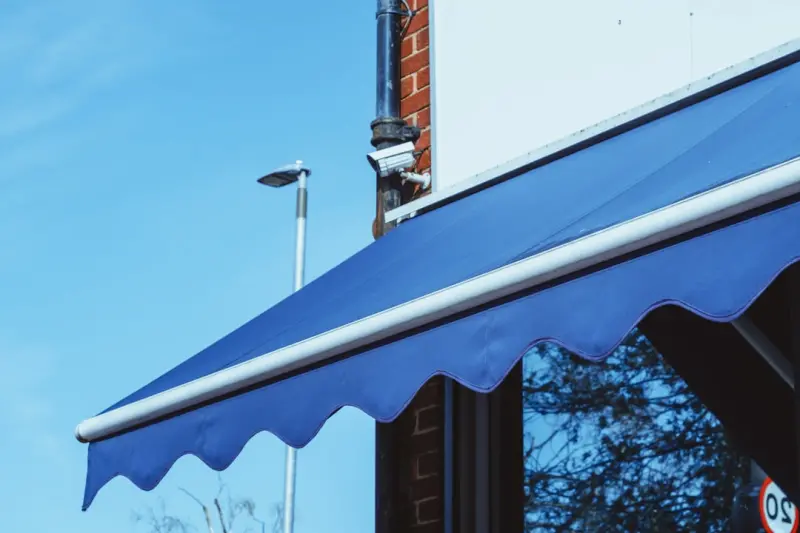
Smart Awnings: How Intelligent Shade is Redefining Outdoor Living
Explore the rise of smart awnings—IoT‑enabled, solar‑powered shade solutions that transform ou... Read More
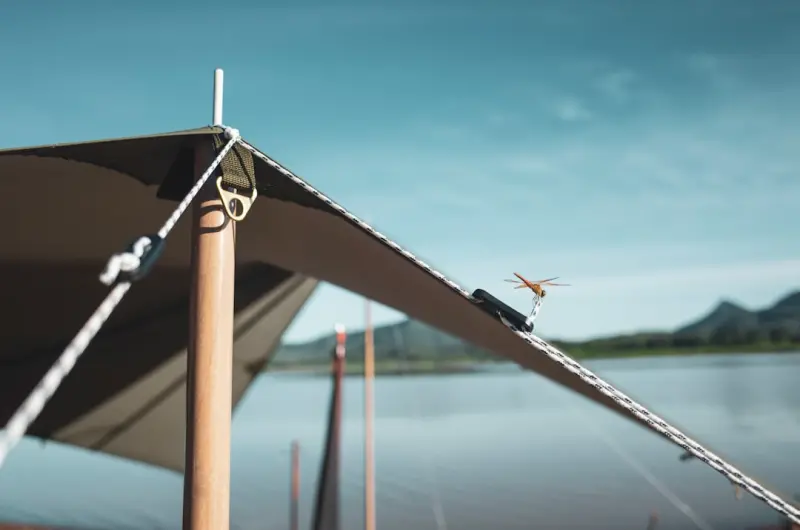
Awning Alchemy: Turning Simple Shade into Smart Outdoor Experience
Explore the untapped potential of awnings as dynamic, intelligent systems that enhance outdoor comfo... Read More
Top Posts

Why Handyman Services Need a Data‑First Playbook
A data‑first approach turns everyday repair tasks into strategic wins, boosting efficiency, client transparency, and tool longevity for modern handyman teams....Read More
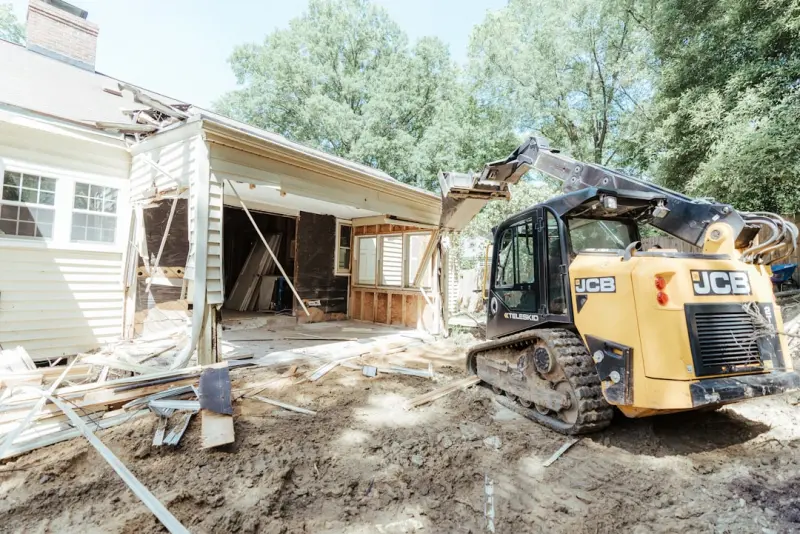
Why Modular Construction Is the Game‑Changer General Contractors Can’t Afford to Ignore
Modular construction offers speed, safety, and precision, turning traditional general contracting challenges into opportunities. Discover why embracing prefabri...Read More

Countertop Revolution: AI, Sustainability, and the Future of Workspaces
Modern countertops are evolving from static slabs into intelligent platforms that blend AI‑optimized material selection, antimicrobial technology, and circula...Read More
Awning Evolution: From Shade to Smart Building Skin
Discover how intelligent awnings are redefining building performance—offering adaptive shade, energy efficiency, predictive maintenance, and dynamic brandingâ...Read More
0 Comments
Post Comment
You will need to Login or Register to comment on this post!