

Solar‑Powered Edge Nodes: Energizing the Remote Enterprise
When the conversation turns to renewable energy, most executives picture sprawling solar farms or rooftop panels on corporate headquarters. Rarely do they consider the edge of the network—the dozens of micro‑facilities that process data, manage inventory, and coordinate logistics far from the central data center. In my experience, these outposts are the true litmus test for resilience, and solar power is the most under‑leveraged tool in their arsenal.
Why Edge Infrastructure Needs a Different Energy Strategy
Edge sites differ from traditional office or manufacturing locations in three critical ways:
- Location volatility: They sit in remote deserts, rugged coastlines, or on the roof of a distribution hub, often without reliable grid access.
- Load predictability: Their power demand spikes in short bursts when processing sensor data, running AI inference, or handling a surge of IoT communications.
- Operational continuity: Downtime translates directly into lost shipments, compromised safety monitoring, or degraded customer experiences.
Because of these factors, a conventional utility connection—while convenient—introduces a single point of failure that can cripple the entire value chain. Solar energy, paired with modern storage, offers a distributed, self‑sufficient power source that aligns perfectly with the edge’s unique constraints.
From Photons to Persistent Power: The Solar‑Battery Duo
The key to making solar viable at the edge is effective energy buffering. A typical edge node might draw 2 kW on average, peaking at 4 kW during data crunches. A modest 5 kW solar array, coupled with a 10 kWh lithium‑iron‑phosphate battery bank, can cover daytime operations and store enough energy to bridge night‑time or cloudy periods.
What makes this configuration compelling isn’t just the reduction in electricity bills—although those are significant—but also the operational independence it provides. When a storm knocks out the local grid, the solar‑battery system continues feeding critical workloads, and the transition is seamless because the inverter automatically switches to battery mode.
Economic Rationale: Reducing Capital Expenditure While Boosting ROI
Many decision‑makers balk at the upfront cost of solar hardware. However, a deeper financial analysis reveals a compelling case:
- Lower utility fees: In regions where grid electricity is priced above $0.15/kWh, the solar system pays for itself in 3‑4 years.
- Tax incentives and rebates: Federal and local programs can cover up to 30 % of installation costs.
- Extended equipment life: Battery‑backed power smooths voltage fluctuations, reducing wear on servers and networking gear.
- Risk mitigation: Avoiding outages translates into avoided penalties and service‑level‑agreement (SLA) breaches.
When you amortize these savings over a typical five‑year equipment lifecycle, the internal rate of return (IRR) often exceeds 12 %, making solar an attractive line‑item on any capital budget.
Design Considerations for Solar‑Enhanced Edge Facilities
Implementing solar at the edge isn’t a “plug‑and‑play” exercise. Several design nuances dictate success:
Site Orientation and Shading Analysis
Even a modest tilt angle of 15‑20 degrees can boost energy capture by 10‑15 % compared with a flat mount. Conduct a quick shading study using a handheld sun‑path tool; a single tree or adjacent antenna can shave off crucial kilowatt‑hours.
Modular Panel Layouts
Instead of a single monolithic array, break the installation into 1 kW sub‑panels. This modularity eases transportation, permits phased expansion, and simplifies maintenance—especially valuable when the site is accessed only a few times per year.
Thermal Management for Batteries
Battery performance degrades above 25 °C. Integrate passive airflow channels or a small, solar‑powered fan system to keep the battery enclosure within the optimal temperature range, preserving cycle life.
Power Management Software
While I’m avoiding the buzzwords that dominate our recent posts, a simple rule‑based controller can orchestrate when to draw from the grid, charge the battery, or run directly off solar. For instance, schedule non‑critical batch jobs during peak sunlight hours, and reserve battery capacity for emergency processing.
Case Study: Solar‑Backed Edge Sites in Logistics
One of our clients—a national freight carrier—operates a network of 45 edge nodes that monitor temperature, location, and cargo integrity across the supply chain. Their legacy approach relied on diesel generators for backup, incurring fuel costs and carbon emissions.
After a pilot at a high‑altitude hub, they installed a 4 kW solar array with a 12 kWh battery pack. Within six months, the site recorded:
- 95 % reduction in diesel fuel consumption.
- Zero unplanned outages during two major storms.
- A 7 % increase in on‑time delivery metrics, attributed to uninterrupted sensor data flow.
The success spurred a rollout plan targeting 20 additional nodes, each projected to save $1,200 annually in fuel and maintenance.
Beyond Power: Solar as an Enabler for Sustainable Business Practices
Investing in solar for edge locations also sends a clear signal to customers, partners, and regulators. It aligns with broader ESG (Environmental, Social, Governance) goals, allowing firms to quantify emissions reductions at the micro‑facility level. When reporting, you can trace each kilowatt‑hour generated back to a specific logistics node, offering granular insight that’s rarely available from central‑plant solar projects.
Integrating Solar with Existing Renewable Portfolios
Many enterprises already own utility‑scale solar farms or have entered power purchase agreements (PPAs). Edge solar installations can complement these larger assets by:
- Providing localized generation that reduces transmission losses.
- Acting as a buffer during peak demand periods, smoothing the load curve across the corporate grid.
- Offering a testbed for emerging storage technologies before scaling them to the main campus.
This layered approach transforms renewable energy from a static, centralized resource into a dynamic, network‑wide capability.
Learning from Parallel Innovations
Although the focus of this article is solar at the edge, it’s worth noting how other sectors are rethinking traditional materials and methods. For instance, low‑emission brick solutions are reshaping construction footprints, while solar‑as‑a‑service models illustrate the financial flexibility that can be mirrored in edge deployments.
Future Outlook: The Convergence of Solar, Edge, and AI
Looking ahead, the synergy between solar power and edge computing will deepen as artificial intelligence (AI) workloads move farther from the cloud. AI inference engines demand consistent, low‑latency power; solar‑battery hybrids can meet this need while keeping the carbon footprint in check.
Imagine a fleet of autonomous delivery drones that dock at solar‑powered charging stations, each station equipped with an edge node that processes flight data in real time. The solar array supplies the immediate charge, while the battery smooths any shortfalls, ensuring the AI models run without interruption.
Such ecosystems illustrate a broader truth: renewable energy isn’t just an add‑on; it’s becoming the foundational layer for the next generation of distributed technology.
Getting Started: A Pragmatic Roadmap
For executives ready to explore solar at the edge, here’s a concise action plan:
- Audit existing sites: Identify locations with high energy costs, limited grid reliability, or strategic importance.
- Model energy profiles: Use a simple spreadsheet to capture average and peak loads, then estimate required solar and storage capacity.
- Engage a specialist installer: Prioritize partners with experience in remote, modular deployments.
- Pilot a low‑risk node: Deploy a modest system, track performance for 6‑12 months, and refine the control logic.
- Scale with data‑backed confidence: Leverage the pilot’s results to justify broader rollouts and secure financing.
By following these steps, you can transform your edge network from a vulnerability into a competitive advantage—powered by the sun.

Craig Brett is a freelancer with a passion for the outdoors. His love for nature inspires his work, bringing authentic and engaging perspectives to projects related to outdoor activities, adventure, and environmental topics.
Related Posts
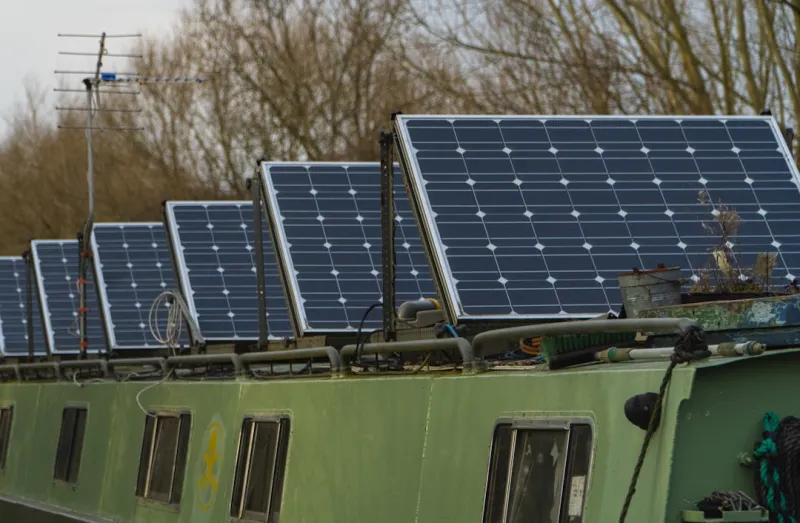
Harnessing Sunlight: My Journey to a Solar-Powered Home
I share the highs and challenges of going solar, from panel placement to pairing with smart home tec... Read More
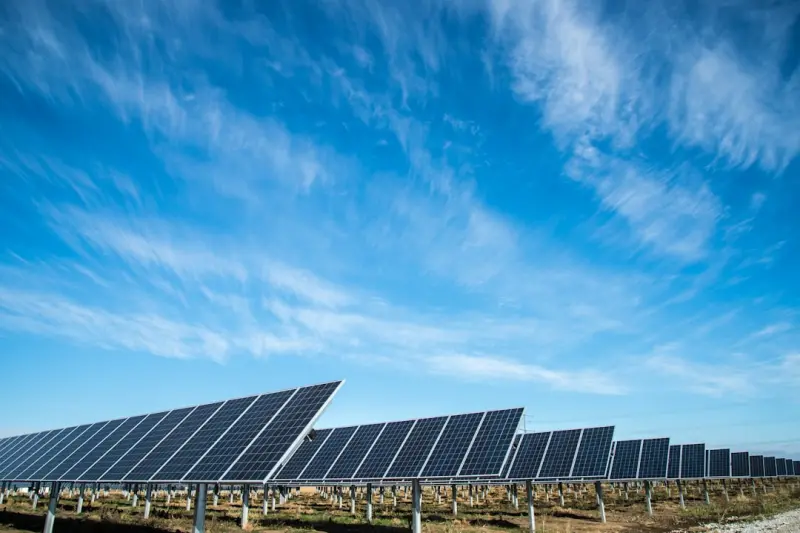
Solar as a Business Platform: Turning Sunlight into Strategic Advantage
Solar is evolving from a simple energy source into a strategic platform that drives revenue, resilie... Read More

Solar‑Integrated Facades: Merging Design, Performance, and Clean Energy
Solar‑integrated façades turn building skins into powerful, beautiful energy generators. This pos... Read More
Top Posts

Beyond Shade: How Smart Awnings Elevate the Modern Workplace
A fresh look at awnings reveals they can be smart, data‑driven tools that lower energy bills, improve employee well‑being, and serve as dynamic brand canvas...Read More

How to Build a Flexible Guest Suite That Grows With Your Family
A practical roadmap for homeowners who want a guest suite that can serve as a home office, rental unit, or multigenerational space, without breaking the bank or...Read More
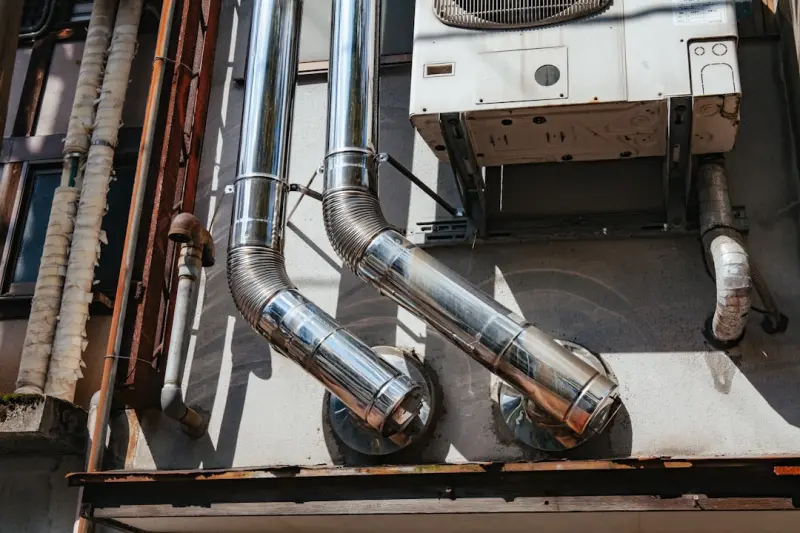
The Hidden Power of Clean Ductwork: A New Frontier for Indoor Health and Performance
Clean ductwork is the unsung hero of modern buildings, driving healthier indoor air, lower energy bills, and smarter maintenance. Learn how predictive cleaning ...Read More

The Art of Sustainable Wallpapering: Trends, Tips, and Transformations
Explore how to choose, install, and maintain sustainable wallpaper, with expert tips that marry design flair and eco‑conscious living, all from a seasoned ren...Read More
0 Comments
Post Comment
You will need to Login or Register to comment on this post!