
Why Silent Alarms Are Gaining Momentum
Homeowners are increasingly seeking security solutions that protect without dominating the visual landscape, and silent alarm systems answer that call by marrying discreet aesthetics with cutting‑edge technology. Unlike traditional sirens that pierce the quiet of a night, these low‑profile devices blend into walls, ceilings, or even furniture, allowing the home to retain its design integrity while still maintaining a vigilant watch over every entry point. The shift toward subtlety is driven not only by a desire for elegance but also by research showing that quiet alerts reduce panic and promote a calmer response during emergencies.
The Science Behind Low‑Profile Sensors
Modern silent alarms rely on a network of micro‑sensors that detect motion, vibration, and even acoustic signatures, using algorithms that differentiate between a pet’s playful romp and a genuine intrusion, thereby minimizing false alarms that have plagued older systems. These sensors are often housed in slim, paint‑matched enclosures that can be recessed into drywall or hidden behind decorative panels, making the system virtually invisible until it is needed. By employing encrypted wireless communication, each component talks securely to a central hub, ensuring that the signal cannot be intercepted or jammed by would‑be intruders.
Design‑Friendly Installation Strategies
Integrating a silent alarm into a home’s architecture is less about retrofitting bulky hardware and more about thoughtful placement that respects the flow of space, a principle I’ve championed in my own renovation projects. For example, a motion detector can be concealed within a ceiling cornice, while door/window contacts can be painted to match trim, turning security into an invisible layer that never competes with the room’s aesthetic. Homeowners who value both safety and style will find that these unobtrusive options preserve the visual harmony of open‑concept living areas, making security feel like a natural extension of the design rather than an afterthought.
Adaptive Alert Systems That Speak Your Language
One of the most compelling features of silent alarm systems is their ability to deliver alerts in a variety of formats, from gentle vibrations on a smartphone to discreet text messages that convey precise information about the breach location. This adaptability means that families can customize how they are notified, choosing quiet cues that fit their daily routines without causing unnecessary alarm during a midnight movie marathon. Moreover, many platforms now integrate with smart home assistants, allowing users to query the status of their system through voice commands without ever hearing a blaring siren.
Integrating with Existing Smart Home Ecosystems
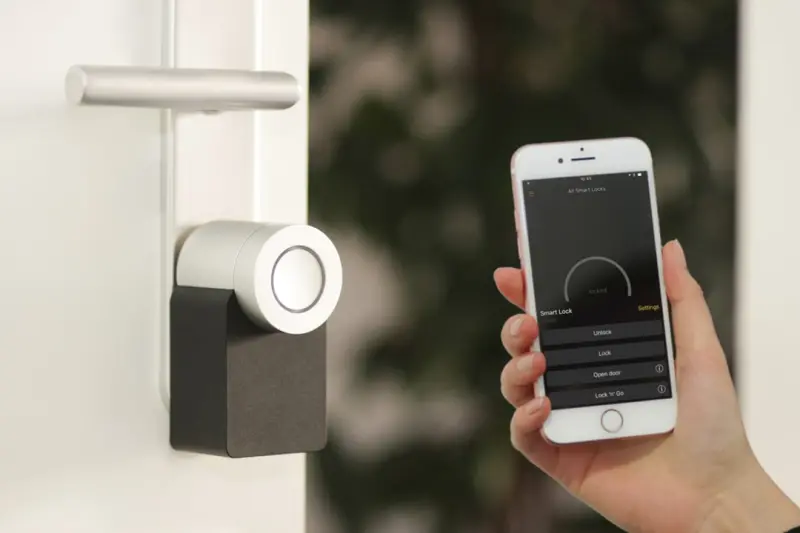
Because silent alarms are built on open‑protocol standards, they can seamlessly join the broader smart home ecosystem, syncing with lighting, cameras, and even smart locks to create a coordinated response that feels like a choreographed dance rather than a chaotic scramble. Imagine a scenario where a window breach triggers a subtle dimming of hallway lights, a brief activation of a security camera, and a silent push notification to your phone—all orchestrated without the need for a loud alarm that could startle pets or neighbors. This harmonious integration not only enhances safety but also elevates the overall living experience, turning a house into a truly intelligent sanctuary.
Cost‑Effectiveness Over Time
While the upfront investment in a silent alarm system may appear higher than that of a conventional siren, the long‑term savings become evident through reduced false alarm fees, lower insurance premiums, and the avoidance of costly retrofits required for bulky hardware. Insurance providers are beginning to recognize the reliability of these sophisticated systems, often offering discounts to policyholders who install verified low‑profile alarms that demonstrate a lower risk of accidental activation. Additionally, the durability of hidden components—protected from tampering and environmental wear—means fewer replacements and maintenance visits, translating to a healthier bottom line for the homeowner.
Privacy Considerations and Data Security
With any connected device, the question of data privacy looms large, and silent alarms are no exception; however, manufacturers are now prioritizing end‑to‑end encryption and local processing to keep sensitive information within the home’s network rather than in the cloud. By storing event logs on an encrypted local hub, families retain full control over who can access their security footage and sensor data, reducing the risk of third‑party breaches that have plagued earlier generations of smart devices. This emphasis on privacy aligns with a broader consumer demand for technology that safeguards both physical safety and digital integrity.
Choosing the Right Silent Alarm for Your Lifestyle
When selecting a silent alarm, consider factors such as the size of your property, the typical traffic patterns of occupants, and whether you prefer visual cues like LED indicators or purely digital alerts; these preferences will guide you toward a system that feels intuitive and unobtrusive. Many reputable brands now offer modular kits that allow you to start with a basic perimeter setup and expand to include motion zones, glass break sensors, and even water leak detectors as your needs evolve. For a deeper dive into how voice‑activated solutions can further simplify control, see the article Voice‑Activated Home Alarms: A Hands‑Free Revolution for Every Household, which illustrates the power of speaking your security commands.
Future Trends: From Silent to Invisible
The next frontier in home security is moving beyond silent to truly invisible, with researchers experimenting with nanotechnology‑infused paint that can detect motion and transmit alerts without any visible hardware at all. While still in its infancy, this concept promises a world where the very walls of your home become active guardians, eliminating the need for any external devices and offering a level of protection that is both elegant and effortless. As these innovations mature, the line between design and defense will blur even further, delivering a future where safety is woven into the fabric of the building itself, a vision that aligns perfectly with the quiet confidence that silent alarms already provide today.

Lifan Chen is a freelancer based in Toronto specializing in marketing. With expertise in crafting effective marketing strategies and campaigns, Lifan helps businesses grow their brand presence and reach target audiences. As a Toronto-based freelancer, Lifan combines local market insights with creative marketing skills to deliver tailored solutions for clients.
Related Posts

The Evolution of Home Alarm Systems: How Sustainable Solutions Are Revolutionizing Home Security
Home alarm systems have come a long way. Learn how sustainable solutions are changing the game and p... Read More

Voice‑Activated Home Alarms: A Hands‑Free Revolution for Every Household
Explore the rise of voice‑controlled home alarm hubs, their seamless smart‑home integration, pri... Read More

Why Emotional Intelligence Is the Next Frontier for Home Alarm Systems
Home alarm systems are evolving from loud, reactive devices to empathetic, context‑aware allies. D... Read More
Top Posts

Transform Your Gazebo into a Year‑Round Wellness Retreat
Turn your garden gazebo into a cozy, all‑season sanctuary. Learn design tricks, modular additions, and sustainable upgrades that make outdoor living comfortab...Read More

Design‑Build Micro‑Workspaces for Agile Offices
This article outlines a fresh design‑build strategy that uses modular pods, embedded IoT, and agile delivery to turn traditional offices into flexible microâ€...Read More
AI‑Powered Smart Electrical Panels: The Quiet Revolution Transforming Workspaces
AI‑powered smart electrical panels turn passive breaker boxes into active energy managers, delivering real‑time load monitoring, predictive maintenance, and...Read More
Smart Home Hacks: Simple Tips for a Greener Household
Explore easy, smart upgrades—from lighting and insulation to sustainable decks—that transform any home into an energy‑efficient, greener haven. Simple ste...Read More
0 Comments
Post Comment
You will need to Login or Register to comment on this post!