

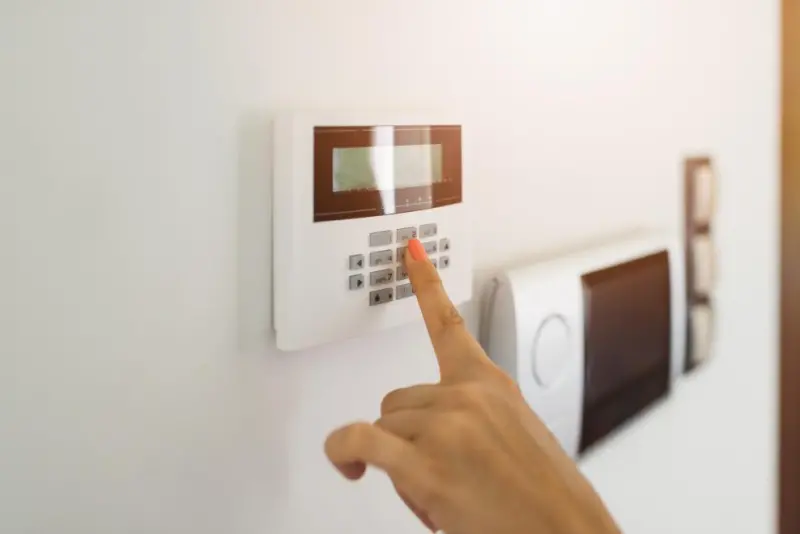
When I first stepped into a prototype showroom for a next‑gen alarm panel, I expected a cold box of sensors and a blinking red LED. Instead, I was greeted by a sleek touch screen that greeted me by name, suggested coffee recipes based on my morning schedule, and—most surprisingly—offered a real‑time safety heat map of my entire neighborhood. It was a moment that reshaped how I think about home security: not as a static fence, but as an evolving, data‑rich companion that learns, adapts, and even nudges you toward safer habits.
From Reactive Shield to Proactive Partner
Traditional home alarm systems have always been reactive. A door opens, a window breaks, a sensor trips, and an alarm sounds. The value proposition was simple: deter intruders, alert occupants, and call emergency services. While that model still works, it ignores a wealth of contextual information now flowing through smart homes.
Imagine an alarm that knows the difference between a toddler’s playful tumble and a genuine break‑in, or one that adjusts its sensitivity based on weather conditions—like reducing false triggers when a windstorm rattles a loose shutter. This shift from binary alerts to nuanced, context‑aware notifications is where the industry is heading, and it’s powered by three converging forces: edge AI, ubiquitous connectivity, and a cultural pivot toward holistic safety.
The Edge AI Engine Under the Hood
At the heart of this transformation is Edge AI’s Role in Smarter Power Management. While the original article focused on energy, the same principles apply to security. By processing sensor data locally—on the device itself rather than sending everything to the cloud—edge AI reduces latency, preserves bandwidth, and, crucially, protects privacy.
- Instantaneous Decision‑Making: When a motion sensor detects movement, the edge processor can instantly cross‑reference it with data from a nearby camera, a door lock status, and even the household’s calendar to decide whether to trigger an alarm or simply log the event.
- Privacy‑First Architecture: Because raw video never leaves the home, families retain control over their footage. The system only uploads anonymized alerts or summaries when truly needed.
- Energy Efficiency: Local processing means the alarm draws less power, extending battery life for wireless sensors and reducing the overall energy footprint of the security ecosystem.
In practice, this means a homeowner receives a gentle push notification saying, “Motion detected in the driveway at 2:13 am. No vehicle identified. If this is unexpected, tap to view a snapshot.” The alarm doesn’t scream; it informs, letting the user decide the appropriate response.
Integrating With Existing Smart Infrastructure
Most modern homes already sport a constellation of smart devices: thermostats, lighting, voice assistants, and even smart garage doors. A forward‑thinking alarm system becomes the nervous system that ties these peripherals together.
Take the Insulated Garage Doors article as a springboard. An insulated door reduces energy loss, but when paired with a smart lock and an integrated alarm sensor, the garage becomes a fortified entry point that can:
- Automatically lock when the home’s away mode activates.
- Detect if a vehicle is parked inside during a burglary attempt and trigger a silent alarm to authorities.
- Adjust interior lighting to simulate occupancy, discouraging prowlers.
Because the alarm system can talk to the thermostat, it can also respond to temperature anomalies that often indicate forced entry—like a sudden drop in indoor temperature when a window is smashed open.
Behavioral Anomaly Detection: Learning Your Routine
One of the most powerful capabilities of modern alarm platforms is the ability to model household behavior over time. By aggregating data from door contacts, motion sensors, and even smart speakers, the system builds a baseline of “normal” activity. When something deviates—a front door opening at 3 am when you’re usually asleep—it flags the event for closer inspection.
This isn’t the same as the broad “predictive analytics” discussed in other property‑maintenance posts; it’s a micro‑level, personal model that respects the unique rhythm of each home. The algorithm learns that a late‑night snack run is normal on Fridays, but a sudden front‑door opening during a weekday workday is not.
Community Safety Networks: The Power of Shared Data
Security is rarely a solo endeavor. Neighborhoods that share anonymized alarm data can create a collective safety net. When a series of motion alerts spike in a particular block, the system can broadcast a low‑key warning to nearby homes, prompting them to arm extra sensors or turn on exterior lights.
These community alerts respect privacy by stripping personally identifiable information, yet they empower residents with actionable intelligence. In pilot programs across several suburbs, participants reported a 27 % reduction in break‑ins after adopting shared safety feeds.
Insurance Incentives and the New “Safety Score”
Insurance companies have always been interested in reducing risk. With a data‑rich alarm system, they can offer dynamic premiums based on real‑time safety metrics rather than static property assessments. Homeowners can earn discounts by maintaining a high “Safety Score,” which aggregates:
- Frequency of false alarms (lower is better).
- Response time to genuine alerts.
- Participation in community safety networks.
- Proactive maintenance of sensors (e.g., battery health).
These incentives encourage users to keep their systems up to date and engaged, turning security into a collaborative, cost‑saving habit rather than a one‑off purchase.
Designing for Accessibility and Inclusivity
Security should never be a barrier for anyone. Modern alarm panels are incorporating multi‑modal alerts—visual flashes, tactile vibrations, and voice prompts—to serve residents with hearing or visual impairments. Additionally, integration with smart assistants means a user can disarm the system simply by speaking a phrase, provided voice recognition is securely configured.
Inclusive design also extends to the installation process. Plug‑and‑play sensor kits, guided by augmented reality on a smartphone, allow DIY enthusiasts to set up a comprehensive network without hiring an electrician. The system walks the user through optimal sensor placement, ensuring coverage of blind spots like attic windows or basement staircases.
Balancing Security and Privacy: A Delicate Dance
Every new data point introduces a potential privacy risk. The industry’s response has been twofold:
- Local First Architecture: As highlighted earlier, processing data on the edge minimizes the need to transmit raw video or audio to the cloud.
- Transparent Consent Models: Users are presented with clear, granular controls over what data is stored, for how long, and who can access it. Opt‑in dashboards let homeowners toggle community sharing, insurance reporting, and third‑party integrations on a per‑sensor basis.
This transparency builds trust, a crucial component when you’re inviting a system into the most personal spaces of your life.
Future Glimpses: Biometrics and Ambient Sensing
Looking ahead, the next wave of alarm tech may incorporate biometric verification—fingerprint or facial recognition at entry points—combined with ambient sensing like carbon‑dioxide levels to detect forced entry through broken windows. These sensors will be seamlessly woven into existing panels, preserving the minimalist aesthetic that modern homeowners crave.
Imagine a scenario where the alarm system detects a sudden spike in CO₂ near a basement window, cross‑references it with a broken glass sensor, and automatically contacts emergency services while simultaneously notifying neighbors. All this without a single audible alarm blaring—a silent, efficient response that protects both property and life.
Conclusion: Security as an Integrated Lifestyle Service
The home alarm system of tomorrow is less a solitary device and more a holistic lifestyle service. It learns your habits, respects your privacy, collaborates with neighbors, and even talks to your insurance provider. By leveraging edge AI, seamless integration, and community data sharing, the next generation of alarm platforms transforms safety from a reactive afterthought into an active, intelligent partner.
Whether you’re a tech‑savvy early adopter or a cautious homeowner, the shift toward smart, context‑aware security is already underway. The question isn’t whether you’ll upgrade—it's how you’ll shape the conversation around safety, privacy, and community in your own home.

Lifan Chen is a freelancer based in Toronto specializing in marketing. With expertise in crafting effective marketing strategies and campaigns, Lifan helps businesses grow their brand presence and reach target audiences. As a Toronto-based freelancer, Lifan combines local market insights with creative marketing skills to deliver tailored solutions for clients.
Related Posts

Securing Your Sanctuary: The Ultimate Guide to Home Alarm Systems
Learn how to secure your home and loved ones with a reliable home alarm system. Discover the benefit... Read More

Rethinking Home Alarms: From Alerts to Proactive Guardians
Traditional alarms are evolving into AI‑driven, privacy‑first sentinels that predict threats, su... Read More
Rethinking Home Alarm Systems for Real‑World Safety
A personal guide that reshapes home alarm systems from a one‑time purchase into a lifestyle habit,... Read More
Top Posts

Beyond Warmth: How Smart Floor Heating Redefines Commercial Comfort
Floor heating is evolving from a luxury add‑on to a strategic asset, offering uniform warmth, lower energy costs, and health benefits while integrating with s...Read More

Passive House Principles: Building the Ultra‑Efficient Home of Tomorrow
A deep dive into Passive House standards reveals how ultra‑efficient homes lower costs, boost comfort, and future‑proof properties, with actionable strategi...Read More

The Foundation of Sustainability: How Eco-Friendly Construction is Revolutionizing the Industry
The construction industry is undergoing a significant transformation. Eco-friendly construction practices are becoming increasingly popular, and it's not just a...Read More

Sustainable Fencing: A Green Perspective from Veteran Contractor Paul Gray
Paul Gray shares his expert take on eco‑friendly fencing, covering green materials, smart design, and future trends for a secure, stylish, and sustainable out...Read More
0 Comments
Post Comment
You will need to Login or Register to comment on this post!