
Why the Modern Home Alarm System Is the Unsung Hero of Business‑to‑Business Security
When I first walked into a client’s office and saw a wall‑mounted alarm keypad gathering dust, I thought, “We’ve moved past this.” Fast forward a few months, and the same client is now bragging about a smart entry ecosystem that talks to its alarm system before anyone even presses a button. The lesson? Home‑grade alarm technology isn’t just for houses—it’s a strategic layer for any organization that values safety, data integrity, and peace of mind.
From Click‑Buzz to Cognitive Guard: The Evolution of Alarm Systems
Traditional alarm panels were simple: a door sensor, a motion detector, and a loud siren that blared when something was amiss. The problem? Those systems were reactive, noisy, and often triggered false alarms that wasted time and resources.
Today’s solutions are cognitive. They fuse sensor data with machine learning models that understand the rhythm of a space. A hallway that’s usually empty at 2 am but suddenly sees movement will be examined in context—did a night‑shift worker just arrive, or is there an intruder? The system decides whether to send a discreet push notification, trigger a silent alarm to law enforcement, or simply log the event for later review.
Integration Is No Longer a Luxury—it’s a Necessity
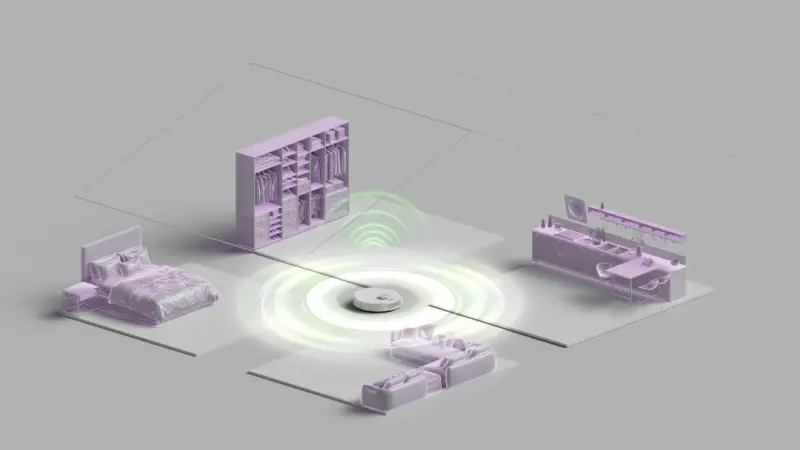
Businesses that have already adopted smart lighting, climate control, or AI‑driven glazing already know the value of a connected environment. Adding a standalone alarm system is like installing a fire alarm in a building that already has a sprinkler system—redundant and inefficient. The future lies in platforms where the alarm system talks to other IoT devices, creating a web of context aware security.
Take the example of adaptive electrical panels (see Powering the Future Home). When a panel detects a sudden spike that could indicate a forced entry (think cutting a power line to disable cameras), it can instantly alert the alarm hub, which then escalates the response. This cross‑device awareness reduces blind spots and makes it harder for a trespasser to “turn off the lights and run.”
Data Privacy: The Tightrope Between Safety and Surveillance
When we start feeding alarm systems with video, audio, and biometric data, the conversation inevitably shifts to privacy. For a B2B SaaS provider, the responsibility is twofold:
- Transparency: Clients must know exactly what data is collected, how long it’s retained, and who can access it.
- Security‑by‑Design: Encryption at rest and in transit, role‑based access controls, and regular penetration testing are non‑negotiable.
In practice, this means offering granular consent options. A retail store might allow motion detection data to be stored for 30 days, while a corporate office may opt for real‑time alerts only, discarding recordings after an incident is resolved. The more control you give your customers, the more trust you build—and trust is the currency of modern security.
Community‑Driven Alarm Networks: A New Paradigm for Neighborhood Safety
Imagine a block of co‑working spaces that each have their own alarm system, but all feed into a shared community dashboard. If one location detects a breach, neighboring sites receive a silent alert, prompting them to lock down doors, turn on extra lighting, or even activate a “safe‑room” protocol. This model, sometimes called a peer‑to‑peer security mesh, turns isolated alarm systems into a collaborative defense mechanism.
Such networks are already being piloted in mixed‑use developments. The advantage is twofold: it reduces the burden on individual property owners and creates a data pool that can improve threat detection algorithms across the entire community. For SaaS providers, offering an API that supports these mesh configurations can become a differentiator in a crowded market.
Choosing the Right Alarm System for Your Business: A Practical Checklist
Not every alarm solution fits every business model. Use this checklist to narrow down the options:
- Scalability: Can the system support additional sensors, cameras, and integrations without a complete overhaul?
- Latency: Does the platform deliver alerts within seconds, or does it batch events for daily reports?
- Integration Ecosystem: Is there native support for your existing smart devices, such as AI‑powered glazing or adaptive panels?
- Compliance: Does the solution meet industry‑specific regulations (e.g., GDPR, CCPA, HIPAA for health‑care spaces)?
- Vendor Transparency: Are service level agreements (SLAs) clear on uptime, data retention, and breach response?
Answering these questions will help you avoid the common pitfall of purchasing a “one‑size‑fits‑all” alarm kit that quickly becomes obsolete.
The Rise of Predictive Threat Modeling
Machine learning isn’t just about recognizing motion; it’s about predicting threats before they materialize. By ingesting data from nearby crime reports, weather patterns, and even social media chatter, modern alarm platforms can assign a risk score to each location on a daily basis. When the score spikes, the system can pre‑emptively tighten security—locking doors, increasing camera frame rates, or scheduling a live security guard check.
This predictive approach is especially valuable for businesses with high‑value inventory or sensitive data. Instead of reacting to a break‑in after the fact, you’re shifting to a proactive stance that can deter criminal activity altogether.
Real‑World Success Stories
Case Study 1: A Distributed Call Center
A call center with 12 satellite locations adopted a unified alarm platform that integrated with their existing smart entry doors. By linking each alarm to the central operations dashboard, the security team could see a live map of all active alerts. Within three months, false alarms dropped by 68%, and the average response time to genuine incidents fell from 12 minutes to under 3 minutes.
Case Study 2: A Boutique Hotel Chain
The hotel chain replaced legacy siren‑based alarms with a silent, AI‑driven system that communicated directly with their property management software. When a guest’s keycard was used after checkout, the system automatically flagged the event, notified staff, and locked the affected floor. This integration prevented a potential theft and boosted guest satisfaction scores by 15%.
Future‑Proofing Your Investment
Technology moves fast, but the fundamentals of safety don’t change: you need reliable detection, swift response, and trustworthy data handling. To future‑proof your alarm investment, consider the following:
- Modular Architecture: Choose solutions built on open standards, allowing you to swap out sensors or add new AI modules without a complete system rebuild.
- Edge Computing: Devices that process data locally reduce latency and keep sensitive video streams off the cloud, enhancing privacy.
- Subscription Flexibility: Opt for usage‑based pricing that scales with the number of sites, rather than a flat fee that penalizes growth.
Closing Thoughts: Security As a Service, Not a Product
In my early days, I thought an alarm system was a one‑time purchase—install, arm, and forget. The reality is that security has evolved into a service, continuously learning, adapting, and integrating with the broader digital ecosystem of a business. By embracing cognitive alarm platforms, leveraging community mesh networks, and keeping privacy front‑and‑center, you turn a simple safety device into a strategic advantage.
Whether you’re a property manager, a facilities director, or a SaaS product leader, the message is clear: the future of alarm systems is intelligent, interconnected, and deeply human. The next step isn’t just to protect assets—it’s to empower people to feel safe, informed, and in control.

Tom Ferguson is a Canadian freelance writer with a passion for storytelling, current events, and thoughtful commentary. Drawing on years of writing experience, he shares engaging insights on a wide range of topics, bringing a uniquely Canadian perspective to his work.
Related Posts

Why Emotional Intelligence Is the Next Frontier for Home Alarm Systems
Home alarm systems are evolving from loud, reactive devices to empathetic, context‑aware allies. D... Read More

Smart Home Alarm Systems: Security Meets Sustainability
A smart alarm isn’t just a deterrent; it’s a sustainable, integrated system that safeguards your... Read More

The Critical Role of Home Alarm Systems in Enhancing Home Security
Home alarm systems play a critical role in enhancing home security and providing homeowners with pea... Read More
Top Posts

Why Bathtub Refinishing Is the Smart Green Choice for Modern Buildings
Bathtub refinishing extends the life of existing tubs, slashing carbon emissions and expenses. Learn how this sustainable upgrade fits into a circular economy, ...Read More

Quiet Corners: Proven Hacks to Make Your Home Sound‑Smart
Learn simple, DIY‑friendly strategies—from sealing gaps and adding rugs to crafting one‑tool acoustic panels—that dramatically improve the acoustic comf...Read More

The Triple‑S Guide to Countertop Design: Sensory, Sustainable, and Spatial Excellence
Discover how the Triple‑S Framework—Sensory, Sustainable, and Spatial—redefines countertop choices, blending tactile delight, eco‑friendly materials, an...Read More

When Fences Go Digital: The New Frontier of Intelligent Perimeter Solutions
Fences are evolving from static barriers into dynamic, data‑rich assets. Discover how modular design, sensor integration, and energy harvesting turn perimeter...Read More
0 Comments
Post Comment
You will need to Login or Register to comment on this post!