
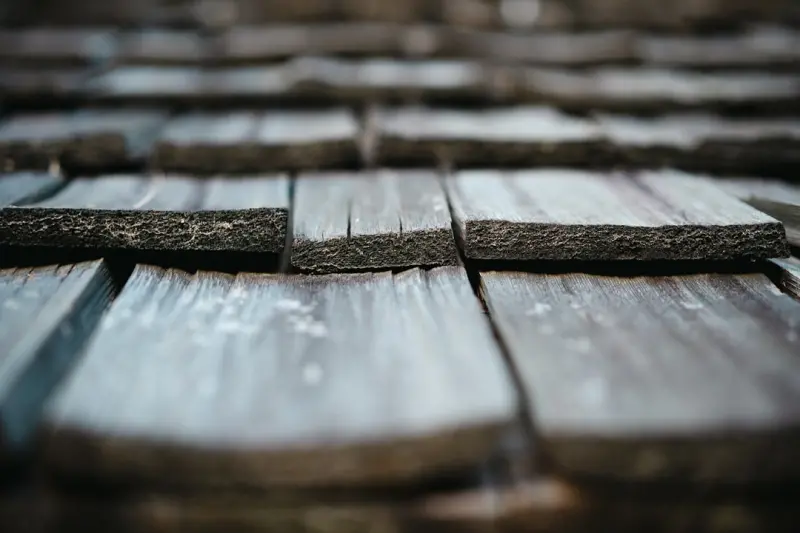
Why Reclaimed Wood Is the Unsung Hero of Modern Home Restoration
When I first walked into a century‑old farmhouse slated for a full gut renovation, the scent of aged timber greeted me before any plaster or paint did. That scent is a reminder that wood carries stories—grain patterns that map a tree’s life, nail holes that mark previous owners, and finish layers that echo past fashions. In today’s rush toward high‑tech upgrades, many homeowners overlook the quiet power of reclaimed wood to restore a home’s character while delivering sustainability, durability, and a timeless aesthetic.
The Environmental Payoff: From Landfill to Living Room
Every piece of reclaimed timber starts its second life by avoiding the massive waste stream that demolitions generate. According to the EPA, construction debris accounts for more than a third of landfill volume. By salvaging beams, floorboards, and paneling, we reduce demand for virgin lumber, preserve forest ecosystems, and cut the carbon emissions tied to harvesting, milling, and transportation.
But the eco‑benefits don’t stop there. Reclaimed wood often comes from old-growth forests, offering density and grain patterns that modern, fast‑grown species can’t match. This means stronger, more stable floors and structural members that age gracefully for decades.
Finding the Right Source: Salvage Yards, Deconstruction Projects, and Community Swaps
Quality reclaimed wood is a treasure, and locating it requires a mix of scouting and relationships:
- Architectural salvage yards – These businesses specialize in curating beams, doors, and paneling from demolition sites. They typically sort by species, condition, and historical period, making it easier to match your design vision.
- Deconstruction contractors – Unlike demolition crews, deconstruction firms carefully dismantle structures, preserving each element for reuse. Partnering with them can secure bulk discounts and even custom sizing.
- Community material swaps – Many neighborhoods host “reuse fairs” where homeowners trade or donate leftover building materials. It’s a cost‑effective way to acquire smaller pieces like trim or reclaimed planks.
When you source wood locally, you also cut transportation emissions, further enhancing the project’s green credentials.
Preparing Reclaimed Wood for the Modern Home
While reclaimed wood boasts beauty, it often arrives with hidden challenges—nail remnants, old finishes, or insect activity. Proper preparation ensures safety and longevity:
- Inspection and testing – Use a moisture meter to confirm the wood is below 12% moisture content. Look for signs of rot, fungal growth, or pest damage. If you suspect infestation, treat the wood with a borate solution before installation.
- Cleaning and stripping – A gentle chemical stripper or a low‑temperature heat gun can remove old paint or varnish without gouging the grain. Follow with a thorough sanding, starting at 80‑grit and progressing to 120‑grit for a smooth surface.
- Stabilizing and sealing – Apply a penetrating epoxy stabilizer to fill micro‑cracks. Once cured, seal with a low‑VOC polyurethane or natural oil finish to protect against moisture while allowing the wood to breathe.
Design Strategies: Marrying Old Grain with New Layouts
Reclaimed wood isn’t just a nostalgic nod; it’s a versatile design tool. Here are three approaches that let you blend heritage with contemporary living:
- Feature walls – Install wide reclaimed planks vertically to create a dramatic focal point in a living room or hallway. The varying widths and patina add depth without the need for additional décor.
- Mixed‑material flooring – Pair reclaimed hardwood with polished concrete or engineered tile. This juxtaposition highlights the wood’s warmth while maintaining a modern, sleek base.
- Custom millwork – Use salvaged beams to craft mantelpieces, built‑in bookshelves, or window frames. The contrast between new cabinetry and aged timber adds a curated, boutique feel.
When integrating reclaimed wood, remember to maintain consistent moisture control throughout the home. Proper insulation and ventilation, topics explored in Breathing Easier: The Intersection of Insulation and Indoor Air Quality, are essential to prevent future warping.
Color & Finish: Leveraging Modern Science on Historic Materials
Color science isn’t limited to fresh paint; it also informs how we treat reclaimed wood. By understanding how pigments interact with wood fibers, you can select finishes that accentuate natural hues or introduce subtle undertones that complement your interior palette. For inspiration on using color strategically, see Beyond the Brush: Using Color Science to Transform Your Home. A lightly tinted oil finish can bring out amber notes in reclaimed pine, while a cool gray wash can mute the intensity of dark walnut for a more contemporary vibe.
Case Study: Turning a 1920s Bungalow into a Sustainable Sanctuary
One recent project involved a 1920s bungalow whose original oak floors had been covered by cheap laminate for decades. The homeowners wanted to restore the home’s historic charm without compromising on energy efficiency.
- Assessment – We discovered that the subfloor was sound, but moisture levels were high due to a missing vapor barrier.
- Intervention – After installing a breathable insulation layer (a technique discussed in the Breathing Easier article), we laid reclaimed oak planks, spaced them slightly to allow for expansion, and finished with a low‑VOC matte polyurethane.
- Result – The home now showcases a seamless, authentic floor that reduces heating costs by 12% thanks to the improved thermal mass of the solid wood.
This blend of historic material and modern building science illustrates how reclaimed wood can be both an aesthetic and functional upgrade.
Common Pitfalls and How to Avoid Them
Even seasoned restorers can stumble when working with reclaimed timber. Keep these cautions in mind:
- Assuming uniform condition – Not all reclaimed wood is equal. Always test for structural integrity before using it for load‑bearing applications.
- Neglecting moisture equilibrium – Installing wood that’s too dry for the indoor environment can cause it to absorb moisture and warp. Allow reclaimed pieces to acclimate in the target space for at least two weeks.
- Over‑finishing – Multiple coats of high‑gloss finish can trap moisture, leading to “fish‑eye” defects. Opt for a single, penetrating coat that protects while letting the wood breathe.
Future Trends: Digital Tools Meet Hand‑Crafted Heritage
The restoration industry is beginning to blend digital precision with the tactile nature of reclaimed wood. Laser scanning can map existing timber dimensions, enabling custom CNC‑cut joinery that fits perfectly without sacrificing the hand‑crafted look. Augmented reality apps now let homeowners visualize reclaimed beams in their spaces before any physical work begins, reducing waste and uncertainty.
Conclusion: A Sustainable Narrative for Every Home
Reclaimed wood offers a rare opportunity to write a new chapter in a home’s story—one that honors its past while embracing the future. By sourcing responsibly, preparing meticulously, and integrating thoughtfully, you can create spaces that feel authentic, resilient, and environmentally sound. Whether you’re renovating a modest cottage or a sprawling estate, let the reclaimed grain be the backbone of your restoration narrative.

Tom Ferguson is a Canadian freelance writer with a passion for storytelling, current events, and thoughtful commentary. Drawing on years of writing experience, he shares engaging insights on a wide range of topics, bringing a uniquely Canadian perspective to his work.
Related Posts

The Art of Home Restoration: A Comprehensive Guide
Home restoration is a multifaceted process that involves reviving and rejuvenating a property to its... Read More
Reviving Exposed Brick: A Hands‑On Guide to Restoring Your Home’s Original Charm
Discover a step‑by‑step guide to restoring exposed brick walls, blending historic charm with mod... Read More
Restoring Heritage Homes: A Layered, Sustainable Blueprint
Discover a step‑by‑step, eco‑focused strategy for restoring heritage houses, balancing authent... Read More
Top Posts
When Countertops Shape Mood: Designing for Wellness in Commercial Spaces
Countertops do more than hold dishes—they influence touch, sight, and sound. This post reveals how thoughtful material choices, biophilic elements, and acoust...Read More

Quiet Homes: Mastering Acoustic Comfort in Modern Construction
Learn the art of acoustic comfort—strategies for sound‑proof walls, flooring, and design choices that turn a bustling house into a tranquil retreat....Read More

The Foundation of Sustainable Construction: Why Energy Inspections Matter
Energy inspections play a vital role in sustainable construction, identifying areas of energy inefficiency and optimizing energy consumption. Learn why they're ...Read More

Designing Commercial Renovations That Put People First
Discover why putting people at the heart of commercial renovations delivers higher productivity, lower costs, and a lasting competitive edge....Read More
0 Comments
Post Comment
You will need to Login or Register to comment on this post!