

The Sustainable Awning Revolution: Eco-Friendly Options for Your Home
As a homeowner, I'm always on the lookout for ways to reduce my environmental footprint while also enhancing the functionality and aesthetic appeal of my property. One often-overlooked aspect of home improvement is the humble awning – a feature that not only provides shade and protection from the elements but can also play a significant role in sustainable property maintenance. In this article, I'll explore the evolution of awnings and how eco-friendly practices are changing the game.
Awnings have been a staple of home design for centuries, offering a simple yet effective way to shield windows, doors, and outdoor living spaces from harsh sunlight and inclement weather. However, traditional awnings often rely on materials and manufacturing processes that are anything but sustainable. Recyclable materials, energy efficiency, and reduced waste are just a few key considerations for homeowners looking to make a positive impact on the environment. By choosing eco-friendly awning options, homeowners can contribute to a more sustainable future while also enjoying the benefits of reduced energy consumption and lower maintenance costs.
The Benefits of Sustainable Awnings
So, what makes a sustainable awning? For starters, look for materials that are recyclable, reusable, or sustainably sourced. For example, awnings made from recycled plastic or sustainably harvested wood can significantly reduce waste and minimize environmental impact. Additionally, consider awnings with built-in solar panels or energy-harvesting technology, which can help power your home while reducing your reliance on non-renewable energy sources. Some sustainable awning options even incorporate green roofs or living walls, providing insulation and habitats for local wildlife.
When it comes to sustainable property maintenance, it's essential to consider the long-term benefits of eco-friendly awnings. Not only can they help reduce energy consumption and lower maintenance costs, but they can also enhance the overall value and appeal of your property. For more information on sustainable property maintenance, check out The Importance of Sustainable Property Maintenance: A Guide to Eco-Friendly Practices. This comprehensive guide provides valuable insights and practical tips for homeowners looking to make a positive impact on the environment.
Eco-Friendly Awning Materials
When shopping for a sustainable awning, keep an eye out for materials that meet the following criteria:
- Recyclable materials: Look for awnings made from recyclable materials like aluminum, steel, or recycled plastic.
- Sustainably sourced wood: Consider awnings made from sustainably harvested wood, such as FSC-certified timber.
- Energy-efficient fabrics: Opt for awnings with energy-efficient fabrics that provide UV protection and insulation while reducing heat gain.
Some popular eco-friendly awning materials include:
- Recycled polyester fabrics
- Sustainably sourced bamboo
- Low-maintenance, eco-friendly coatings
Designing for Sustainability
When designing your awning, consider the following sustainable design principles:
- Orient your awning for maximum shade: Position your awning to maximize shade and reduce direct sunlight.
- Incorporate green roofs or living walls: Add insulation and create habitats for local wildlife with green roofs or living walls.
- Choose durable, long-lasting materials: Select materials that will withstand the elements and require minimal maintenance.
For inspiration and guidance on sustainable design principles, be sure to check out The Evolution of Bathroom Renovations: How Sustainable Practices Are Changing the Game. This article provides valuable insights into the latest sustainable design trends and technologies.
The Future of Awnings
As the demand for sustainable living solutions continues to grow, it's clear that eco-friendly awnings are here to stay. Whether you're looking to reduce your energy consumption, lower your maintenance costs, or simply enhance the aesthetic appeal of your property, there's never been a better time to invest in a sustainable awning. With a wide range of eco-friendly materials, designs, and technologies available, homeowners have never had more options for creating a sustainable and functional awning that meets their unique needs and style.
Conclusion
In conclusion, sustainable awnings offer a simple yet effective way to reduce your environmental footprint while enhancing the functionality and aesthetic appeal of your property. By choosing eco-friendly materials, designs, and technologies, homeowners can contribute to a more sustainable future while enjoying the benefits of reduced energy consumption and lower maintenance costs. Whether you're a seasoned homeowner or just starting to explore the world of sustainable living, I hope this article has provided valuable insights and inspiration for your next project. For more information on sustainable living and eco-friendly practices, be sure to check out The Sustainable Fencing Revolution: Eco-Friendly Options for Your Home.

When it comes to the world of blogging and writing, Rose DesRochers is a name that stands out. Her passion for creating quality content and connecting with her audience has made her a trusted voice in the industry. Aside from her skills as a writer and blogger, Rose is also known for her compassionate nature.
Related Posts
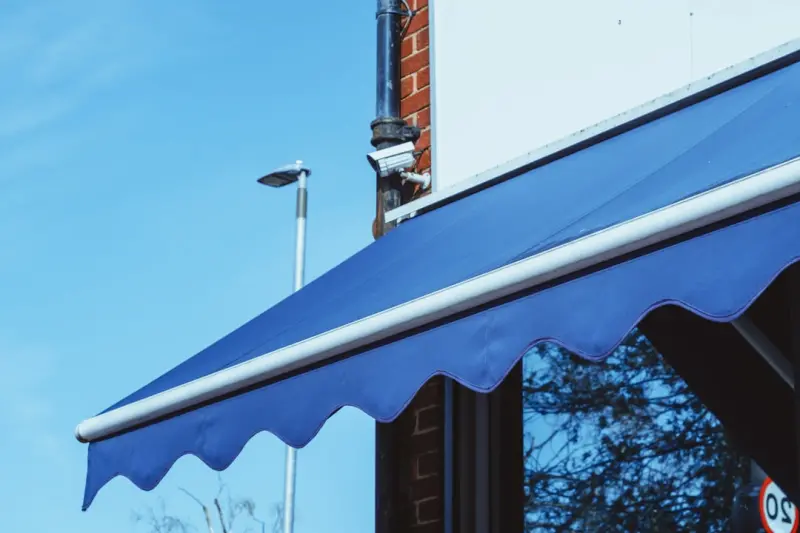
How Awnings Shape Customer Mood and Bottom Line
A well‑designed awning does more than shade a storefront—it influences shopper psychology, reinf... Read More
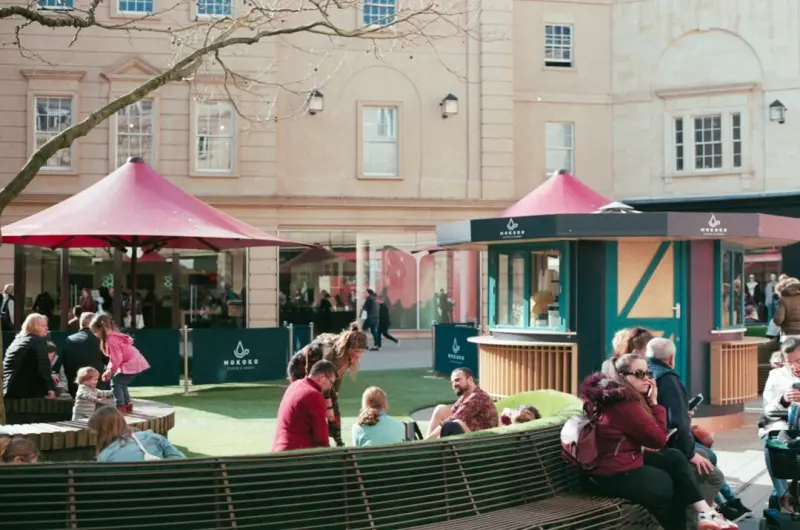
Awnings as Strategic Assets: Redefining Outdoor Workspaces
A fresh look at awnings reveals their potential to transform outdoor spaces into productive, brandâ€... Read More
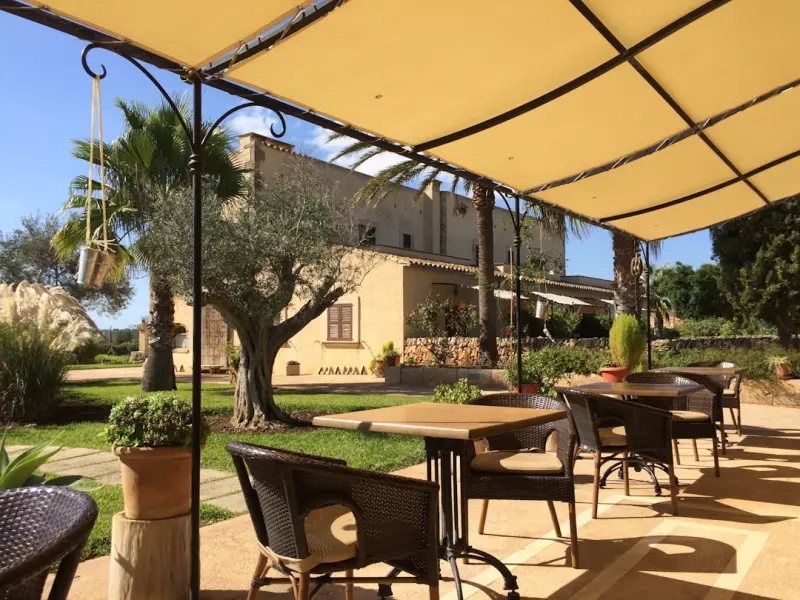
Beyond Shade: How Modern Awnings Redefine Outdoor Living
Awnings have evolved from simple shade solutions to versatile extensions of indoor comfort, offering... Read More
Top Posts
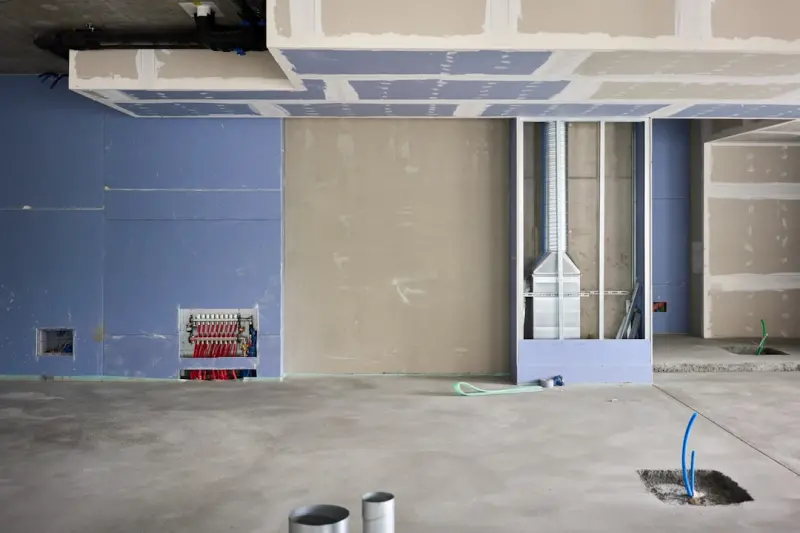
Bringing the Outdoors In: A Blueprint for Biophilic Commercial Renovations
Discover practical steps to embed natural elements into office renovations, creating healthier, more productive environments that align with modern enterprise g...Read More

Why Modern Carpet Care Is the Unsung Hero of Facility Performance
Carpet cleaning goes beyond appearance; it improves air quality, reduces energy use, extends carpet life, and supports employee health—turning floor care into...Read More
Securing Your Sanctuary: How Home Alarm Systems Fit into Sustainable Living
Explore the intersection of home alarm systems and sustainable living. Learn how modern security solutions can enhance home safety while promoting eco-friendly ...Read More
Designing a Seasonal Narrative Landscape: Pollinators, Rain Gardens, and Sustainable Hardscapes
Discover a fresh approach to landscaping that treats your garden as a seasonal narrative, integrates pollinator pathways, rain gardens, and recycled hardscape, ...Read More
0 Comments
Post Comment
You will need to Login or Register to comment on this post!