
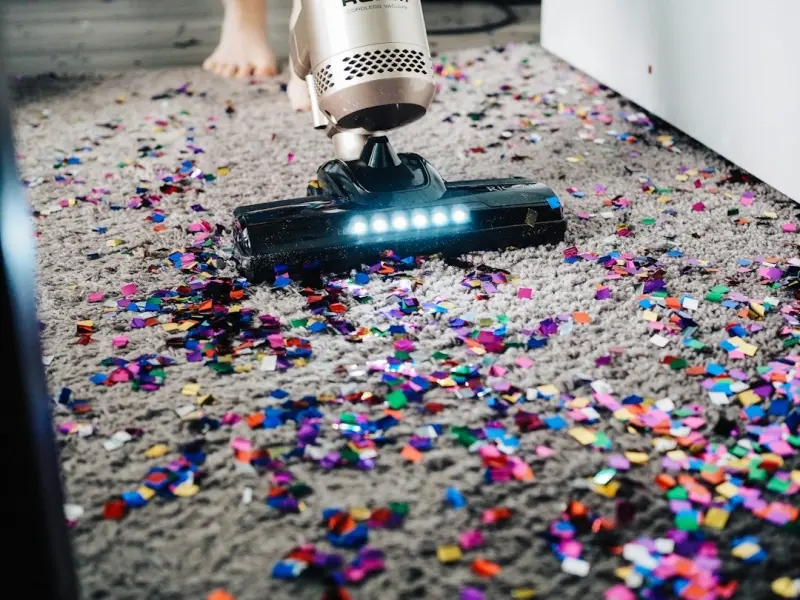
When most facilities managers think about the health of a building, they instinctively scan the HVAC system, the water lines, or the lighting. Rarely does the humble carpet get a seat at the strategy table—despite being one of the most trafficked surfaces in any office. I’ve spent the last decade watching carpet go from a decorative afterthought to a pivotal player in employee well‑being and operational efficiency. In this post, I’ll unpack why a data‑driven carpet care program isn’t just a cleaning checklist; it’s a competitive advantage that can be measured, optimized, and leveraged for real ROI.
Carpet as a Living Sensor
Modern carpet fibers are no longer inert. Advances in textile engineering have introduced micro‑encapsulated treatments that react to humidity, foot traffic, and even airborne particulates. When you pair these smart fibers with IoT‑enabled sensors placed strategically around high‑traffic zones, the carpet becomes a living sensor network.
- Foot‑fall analytics: By monitoring the frequency and intensity of footsteps, you gain insights into space utilization without installing separate motion detectors.
- Air‑quality feedback: Certain carpet treatments can change color or emit a subtle signal when saturated with pollutants, prompting immediate ventilation or cleaning.
- Moisture detection: Early detection of spills or leaks helps prevent mold growth, a hidden cost that can cripple indoor air quality.
These data points feed directly into your building management system, allowing you to schedule cleaning before a stain becomes a health hazard. It’s the same principle that powers The Future of Property Maintenance: Turning Data Into Action, but applied to the floor level where your employees spend most of their day.
From Aesthetic to Asset: Quantifying the Benefits
Let’s break down the tangible benefits of a proactive carpet strategy:
- Extended Asset Life: Regular, data‑guided cleaning can extend carpet lifespan by 30‑40%, reducing capital expenditures on replacements.
- Reduced Sick Days: Studies link indoor allergens to respiratory issues. Cleaner carpet means fewer allergens, translating to fewer employee sick days.
- Energy Savings: A clean carpet reflects light better and can reduce the need for supplemental lighting, shaving off a modest but measurable amount of electricity.
- Brand Perception: Visitors form an immediate impression of cleanliness. A well‑maintained carpet signals attention to detail and professionalism.
When you aggregate these savings, the ROI often eclipses the cost of a sophisticated cleaning regimen. The key is to move from a reactive “clean when dirty” mindset to a proactive, predictive model.
Designing a Predictive Carpet Care Program
Building a predictive program involves three core steps: measure, analyze, and act. Below is a framework you can adopt and tailor to your organization.
1. Measure: Deploy Sensors and Baselines
Start with a pilot in a high‑traffic zone. Install humidity and foot‑fall sensors, and set a baseline for normal traffic patterns and moisture levels. If your building already uses a smart floor heating system, you can integrate carpet sensors with that existing infrastructure—see Smart Radiant Floor Heating: Comfort Meets Efficiency for inspiration.
2. Analyze: Turn Data into Actionable Insights
Use a cloud‑based analytics platform to track trends. Look for spikes in foot‑fall that correlate with higher wear, or humidity spikes that precede spill events. Machine learning models can forecast when a carpet will need deep cleaning based on these patterns, much like predictive maintenance for HVAC.
3. Act: Automated Scheduling and Documentation
Integrate your analytics with a work‑order system. When the model predicts a cleaning window, the system automatically generates a task for your service provider, complete with location, required cleaning method (dry‑clean, steam, encapsulation), and any special instructions.
Document each cleaning event, noting the before/after sensor readings. Over time, you’ll build a performance history that can be presented to finance teams to justify the program’s budget.
Choosing the Right Cleaning Technology
Not all cleaning methods are created equal. Here’s a quick guide:
- Encapsulation: A low‑moisture technique that uses polymer crystals to trap soil. Ideal for high‑traffic areas where downtime must be minimal.
- Hot‑Water Extraction (Steam Cleaning): The gold standard for deep cleaning; best for periodic deep‑clean cycles.
- Dry‑Foam Cleaning: A hybrid that combines the quick‑dry time of encapsulation with the deep‑clean power of steam.
- UV‑Based Sanitization: Emerging technology that neutralizes microbes without chemicals—great for health‑focused workplaces.
Match the method to the sensor data. If humidity spikes are frequent, lean toward low‑moisture encapsulation to avoid over‑saturating the carpet.
Integrating Carpet Care with Overall Sustainability Goals
Carpet cleaning isn’t just about aesthetics; it’s a lever for sustainability. Here’s how:
- Water Conservation: Low‑moisture cleaning methods use significantly less water than traditional steam cleaning, aligning with broader water‑saving initiatives.
- Reduced Chemical Use: Encapsulation and UV sanitization require fewer harsh chemicals, reducing VOC emissions.
- Extended Material Life: By prolonging the carpet’s useful life, you decrease the frequency of material disposal, cutting waste and embodied carbon.
When you tie these metrics into your corporate ESG reporting, carpet care becomes a visible, quantifiable sustainability win.
Case Study: A Mid‑Size Tech Firm’s Carpet Transformation
Consider a 150‑person tech company that occupied an open‑plan office with three carpeted zones. They implemented a predictive carpet care program using foot‑fall sensors and a cloud analytics platform.
- Within six months, carpet wear decreased by 25%.
- Employee sick days related to allergies dropped by 12% (HR attributed this to improved indoor air quality).
- The building’s lighting load reduced by 5% thanks to higher light reflectance from cleaner carpet.
- Overall carpet replacement costs were projected to be cut by $45,000 over a five‑year horizon.
The finance department was impressed when the data was presented alongside the cost‑benefit analysis from the predictive model. The program secured a permanent budget line item, illustrating how a focused carpet strategy can move from pilot to enterprise‑wide policy.
Common Pitfalls and How to Avoid Them
Even the most data‑rich programs can stumble if you overlook these basics:
- Ignoring Sensor Calibration: Sensors drift over time. Schedule quarterly calibrations to maintain data integrity.
- Over‑Cleaning: More isn’t always better. Excessive cleaning can wear fibers faster. Let the data dictate frequency.
- Neglecting Staff Training: Front‑line staff should understand how to report spills promptly, ensuring the sensor data aligns with real‑world events.
- Isolating Carpet Data: Integrate carpet metrics with HVAC and lighting data for a holistic view of indoor environmental quality.
The Future: AI‑Powered Carpet Management
We’re on the cusp of AI systems that can not only predict cleaning windows but also recommend optimal cleaning methods based on real‑time environmental conditions. Imagine a dashboard that alerts you: “High foot‑fall detected in Zone A, humidity rising—schedule encapsulation cleaning within 24 hours.” Such precision will turn carpet care into a truly proactive discipline, mirroring the predictive maintenance trends seen across the built environment.
Getting Started: A Quick Action Checklist
Ready to transform your carpet from a passive floor covering into an active asset? Follow this starter checklist:
- Audit Current State: Document carpet age, material, and existing cleaning schedule.
- Select Sensors: Choose foot‑fall and humidity sensors that integrate with your BMS.
- Pilot One Zone: Deploy sensors, set baselines, and run the analytics for 30 days.
- Choose Cleaning Method: Match sensor insights to appropriate cleaning technology.
- Automate Work Orders: Connect analytics to your facility management platform.
- Report ROI: Track cost savings, health metrics, and ESG impact for stakeholder buy‑in.
By treating carpet care as a data‑driven service line, you’ll unlock hidden efficiencies, enhance employee wellness, and showcase a tangible commitment to sustainability—all without the need for a massive capital outlay.
In the end, the floor beneath our feet isn’t just a static surface; it’s a dynamic interface between people, technology, and the environment. Embracing smart carpet care is about recognizing that interface and turning it into a strategic advantage.

Paul Gray is a dynamic blogger based in Brampton, where he shares his life with his amazing wife, Sarah. Known for his engaging writing style and relatable insights, Paul has carved out a niche in the blogging world that resonates with readers from all walks of life. When he's not crafting captivating posts, you can find him savoring a cold beer or indulging in the latest blockbuster movie. With a friendly demeanor and a passion for storytelling, Paul brings a unique perspective to his work, making him not just a blogger, but a voice for those who appreciate the simple joys of life.
Related Posts
Why Your Carpet Deserves a Tech‑Powered Deep Clean
A fresh look at carpet care that combines fiber science, natural cleaning solutions, and simple sens... Read More
The Secret Science Behind Spot‑Free Carpets: A Homeowner’s Guide
Explore the hidden science of carpet fibers, stain types, and sustainable cleaning methods that keep... Read More

Why Modern Carpet Care Is the Unsung Hero of Facility Performance
Carpet cleaning goes beyond appearance; it improves air quality, reduces energy use, extends carpet ... Read More
Top Posts

Beyond Plain Walls: How Next‑Gen Wallpaper Is Shaping Modern Interiors
Modern wallpaper blends acoustic performance, AI‑generated designs, eco‑conscious materials, and hidden sensors, turning walls into functional, stylish plat...Read More
The Hidden Benefits of a Proactive Carpet Cleaning Routine
Learn why regular, science‑backed carpet cleaning is essential for health, durability, and cost savings, and how to integrate eco‑friendly methods into your...Read More

Building a Future‑Proof Foundation: Science, Materials, and Smart Monitoring
A seasoned contractor shares cutting‑edge strategies—soil testing, green materials, and sensor tech—to build foundations that stand the test of time....Read More
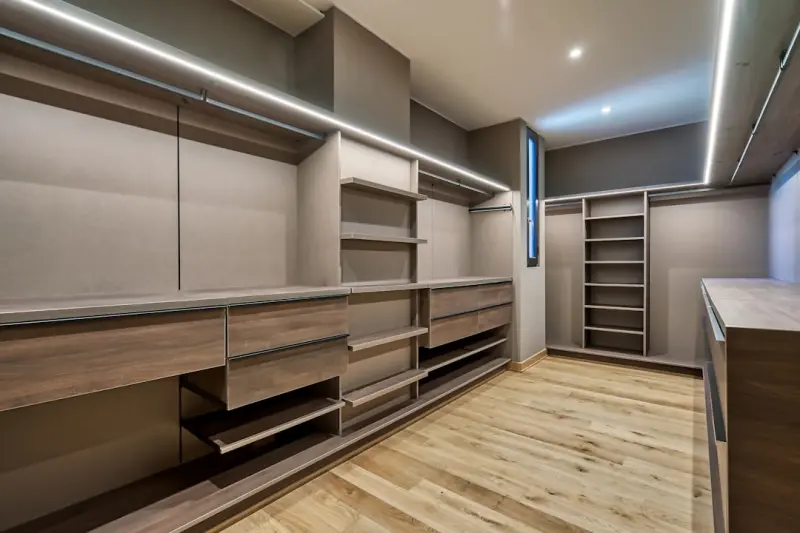
Flexible Closet Architecture: Turning Wardrobe Space into a Productivity Engine
A modern closet can be a strategic asset—offering modular flexibility, sensor‑driven insights, and AR‑guided installation—to boost efficiency, sustainab...Read More
0 Comments
Post Comment
You will need to Login or Register to comment on this post!